Conservation efforts at the Siem Pang Wildlife Sanctuary in northeastern Cambodia are increasingly focusing on protecting endangered bird species, with officials highlighting the critical ecological role of vultures and rare ibis populations while keeping tourism development secondary to sustainability goals.
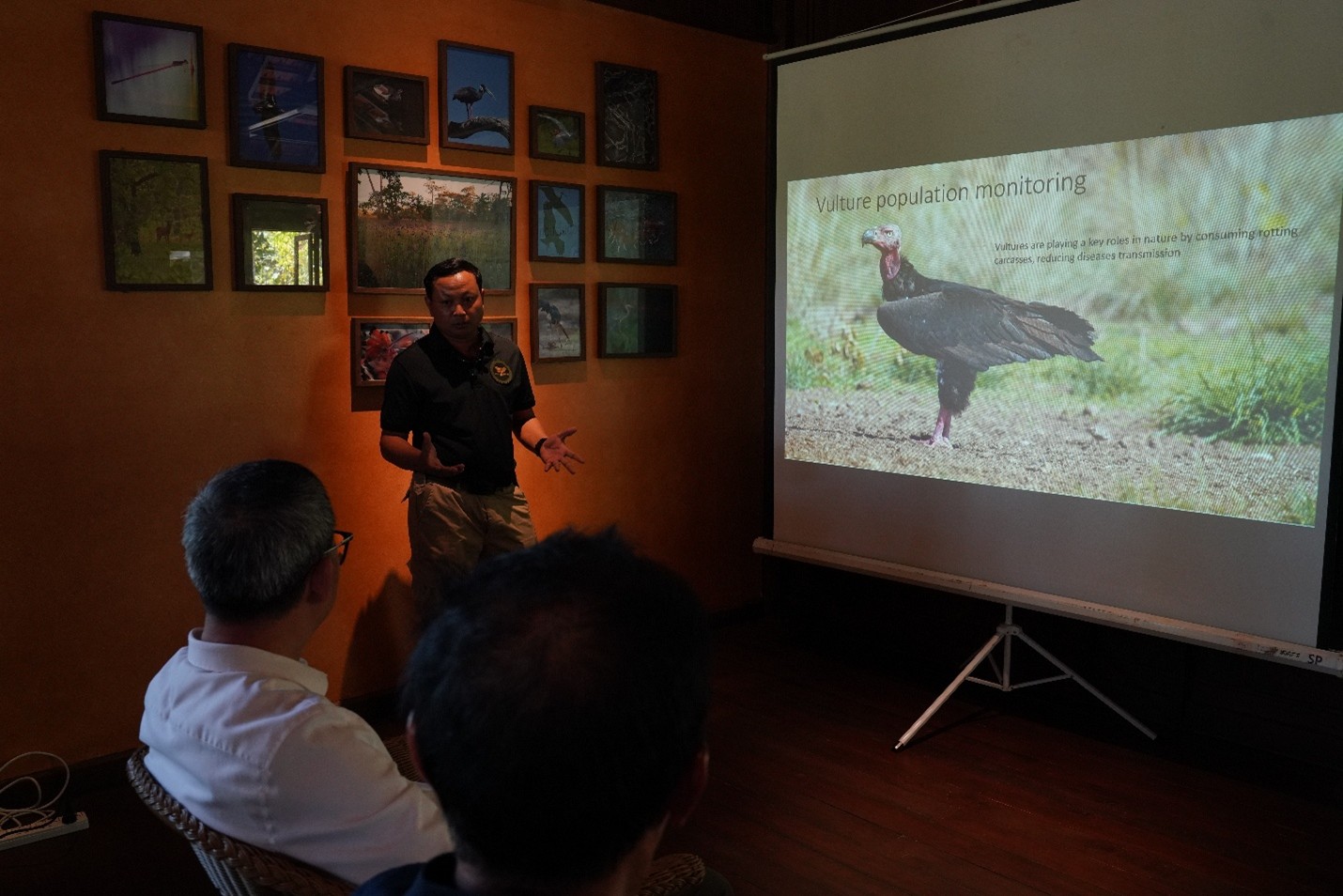
Eang Samnang, a ranger at the sanctuary, said the protection of vultures has become a key biodiversity conservation effort because of the birds’ role in maintaining ecosystem health.
“Vultures play a very important role in reducing disease outbreaks and cleaning the environment,” he explained.
“When animals die, the carcasses can spread harmful bacteria and disease. Vultures help remove those remains quickly, reducing the risk of contamination through water and surrounding areas,” he added,
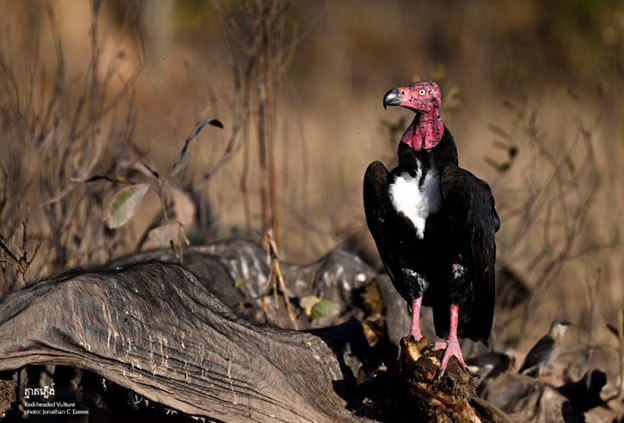
According to Samnang, three species of vultures are found in Cambodia. The red-headed vulture population remains extremely small, with only about 21 individuals nationwide, including around 11 birds recorded in Siem Pang.
The slender-billed vulture, recognisable by its long bare neck and brown body, was counted at 45 individuals across Cambodia, with 36 recorded in Siem Pang during the 2025 census.
The white-rumped vulture population is larger but still vulnerable, with about 97 birds nationwide. Of these, 81 were recorded in Siem Pang, making the sanctuary the country’s most important habitat for the species.
Samnang said vultures possess remarkable physical abilities, including the capacity to soar up to six kilometres above the ground and eyesight several times stronger than that of humans.
Despite being carnivorous, vultures do not hunt live animals themselves. Instead, they rely on carcasses left by predators or animals that die from disease or natural causes.
Because natural food sources have declined in the forest, conservation teams have established a supplementary feeding programme.
“We cull a buffalo every week for feeding, which costs about $800 each time,” Samnang explained.
“The programme requires an annual budget of around $50,000,” he said.
Recent surveys recorded a total of 163 vultures in Cambodia, with Siem Pang hosting the largest population at about 122 birds.
Monitoring efforts have also intensified. Conservationists have identified an average of 13 vulture nests each year, most of them belonging to the slender-billed vulture.
Satellite tracking devices fitted on 10 vultures have revealed that the birds travel widely across northeastern Cambodia and into neighbouring Laos.
“The GPS tracking shows they move through Mondulkiri, Kratie, Preah Vihear, and into Laos,” Samnang said.
“In fact, many nests are located across the border,” he added.
Beyond vultures, the sanctuary is also home to two of the world’s rarest birds: the giant ibis and the white-shouldered ibis.
The giant ibis, Cambodia’s national bird, survives mainly in remote forests and has already disappeared from Thailand, Vietnam and Laos.
He said conservationists estimate the global population at only about 200 birds, with roughly 25 per cent found in the Siem Pang landscape. Each year, conservation teams locate around 15 nests, producing roughly the same number of fledged chicks.
The white-shouldered Ibis population in Cambodia is estimated at around 850 birds. In August 2025, surveys counted 404 individuals in Siem Pang alone, along with about 30 nests discovered annually.
Meng Heang, head of the Siem Pang Conservation Organisation, said conservation remains the core mission of the sanctuary, although development initiatives are gradually being introduced to ensure long-term sustainability.
“Our main work here is conservation,” said Heang, also founder of the lodge, adding “But we are following the government’s policy that conservation and development must go together in order to be sustainable.”
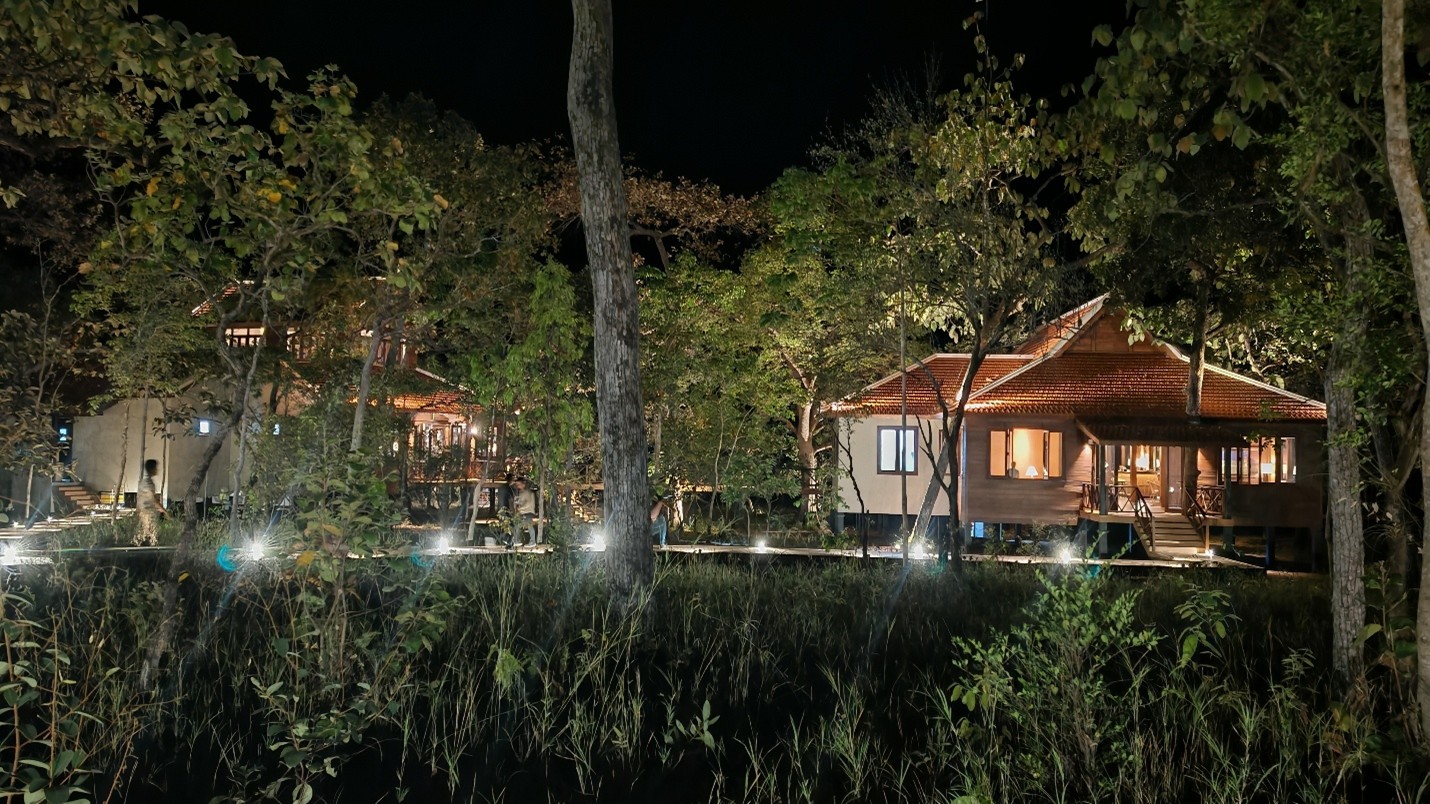
One such initiative is the Siempang Forest Lodge, an eco-tourism project built on approximately 800 hectares within the sanctuary’s wider protected area of more than 133,000 hectares.
The lodge, which began trial operations in November 2025, aims to create a green tourism market while generating income for local communities and supporting conservation activities. The luxury tented camp features 15 safari-style tents designed to blend with the surrounding forest landscape.
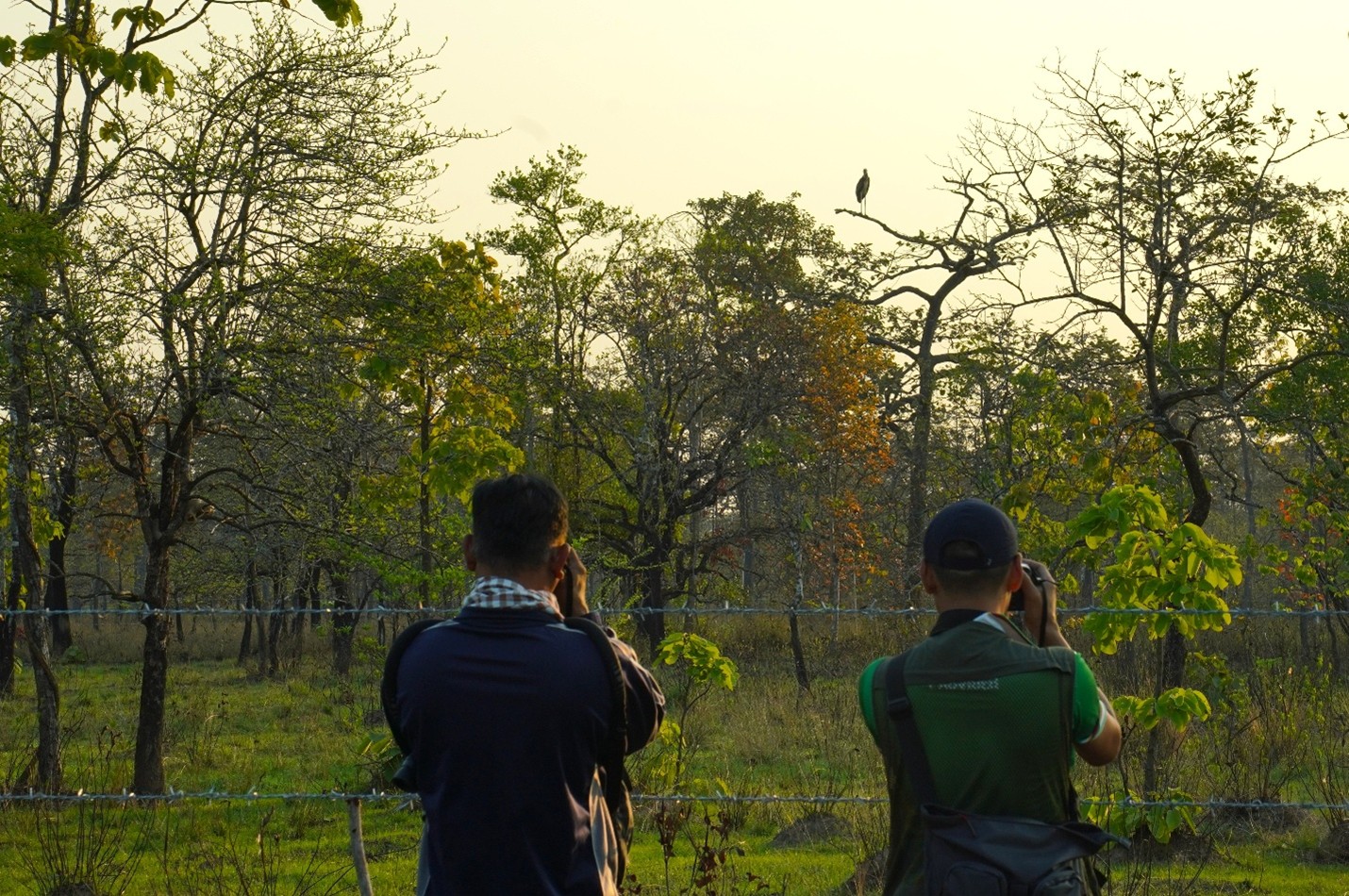
Visitors can take part in birdwatching tours, wildlife tracking, forest walks and cultural visits to nearby villages to learn about community-based conservation efforts.
Heang said accessibility to the remote area will improve further with the planned opening of a small airstrip next June, allowing flights from Siem Reap to reach the lodge in about 50 minutes. Travelling by road currently takes seven to eight hours.
Established in 2019, the Siem Pang Wildlife Sanctuary covers more than 133,707 hectares in Stung Treng province and is divided into four management zones: core conservation areas, protected zones, sustainable-use areas and community zones.
The sanctuary remains one of Cambodia’s most biodiverse landscapes, supporting species such as banteng, Eld’s deer, bears, pangolins and Siamese crocodiles, alongside numerous endangered birds.
However, officials say the protected area still faces several threats, including illegal land encroachment along the Sekong River, agricultural expansion, forest clearing and wildlife hunting.
To address these challenges, rangers have intensified patrol operations with support from local authorities, military police and conservation partners. In 2025 alone, the sanctuary conducted 68 patrol missions covering 243 days across the protected area.
Conservationists say the long-term survival of Siem Pang’s rare bird populations will depend on sustained protection efforts and carefully managed development that keeps biodiversity at the centre of decision-making.