



Indonesia has stepped up its cultural diplomacy in Cambodia with the launch of a new culinary certification aimed at promoting authentic Indonesian cuisine, while supporting Cambodia’s growing Muslim-friendly tourism sector.
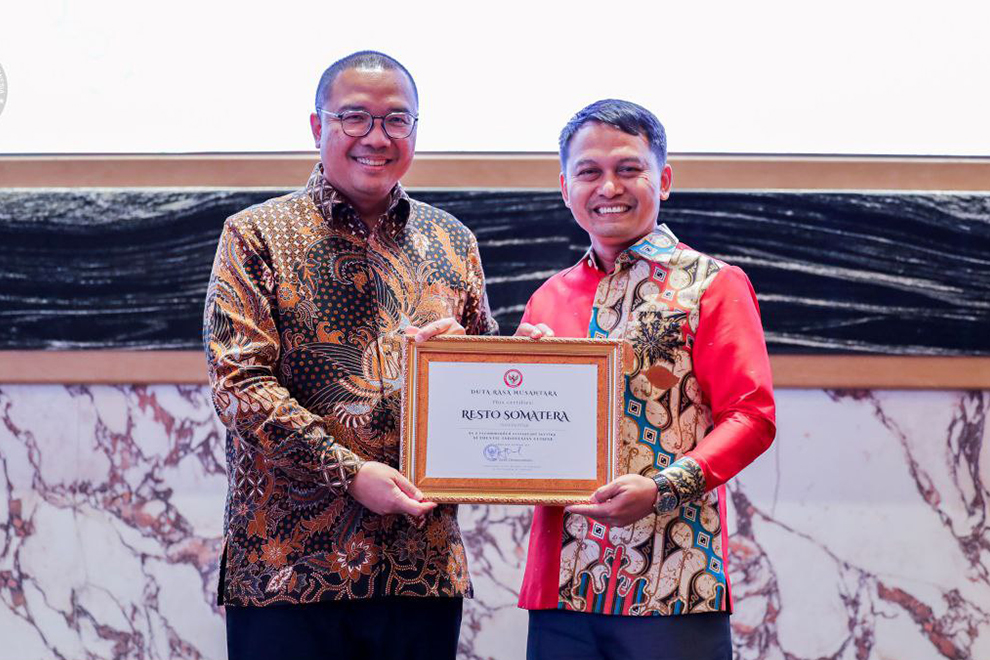
Indonesian ambassador Santo Darmosumarto officially introduced the “Duta Rasa Nusantara” certificate — translated as the Ambassador of Indonesian Taste — during a February 19 ceremony in Phnom Penh. The event was attended by foreign diplomats and Cambodian business representatives.
The initiative, introduced by the Indonesian embassy as part of its 2026 programmes, recognises Indonesian restaurants in Cambodia that actively promote the country’s rich culinary heritage through authentic recipes and traditional flavours.
“Duta Rasa Nusantara is a recognition of the important role that the Indonesian restaurants do in Cambodia, by introducing authentic Indonesian cuisine to both locals and foreigners,” noted the ambassador.
The programme marks a strategic push by Jakarta to strengthen people-to-people ties through gastronomy, positioning Indonesian cuisine as a bridge between the two Southeast Asian nations.
The first recipient of the certificate is Resto Somatera, located in Phnom Penh’s Toul Tom Poung area.
Owned by Markus Dwinanta, the restaurant has served diverse Indonesian dishes for nearly 17 years, building a reputation for authenticity and consistency.
Beyond serving food, Resto Somatera also contributes to culinary knowledge-sharing in Cambodia.
According to the embassy, four of its former employees have gone on to establish their own food businesses, reflecting a spillover effect in skills development and entrepreneurship.
Indonesia’s culinary footprint in Cambodia is significant.
The embassy estimates that around 400 Indonesian culinary establishments operate across the country, many of which serve halal-certified dishes.
The certification initiative also aligns with Cambodia’s efforts to develop Muslim-friendly tourism, as the country seeks to attract more visitors from Muslim-majority markets, including Indonesia.
“As Cambodia sees growth in tourism visits from Muslim countries, this initiative will support the government’s effort in promoting halal culinary industry at the same time,” ambassador Santo explained.
The growing presence of Indonesian restaurants offering halal cuisine contributes to Cambodia’s image as a welcoming destination for Muslim travellers, while simultaneously enhancing Indonesia’s cultural visibility abroad.
The embassy plans to further institutionalise the programme by curating a list of recommended Indonesian restaurants serving authentic dishes.
The list will serve as a reference for residents and visitors seeking genuine Indonesian cuisine in Cambodia.
With food increasingly recognised as a tool of diplomacy, the Duta Rasa Nusantara certificate signals Indonesia’s intent to leverage its culinary heritage not only as a cultural asset but also as a strategic instrument to deepen bilateral relations and support tourism-driven growth in Cambodia.
