



A ceasefire is supposed to stop violence. Along the Cambodia–Thailand border, it did the opposite: it gave the Thai military the space to consolidate control, destroy civilian property, and advance a silent annexation.
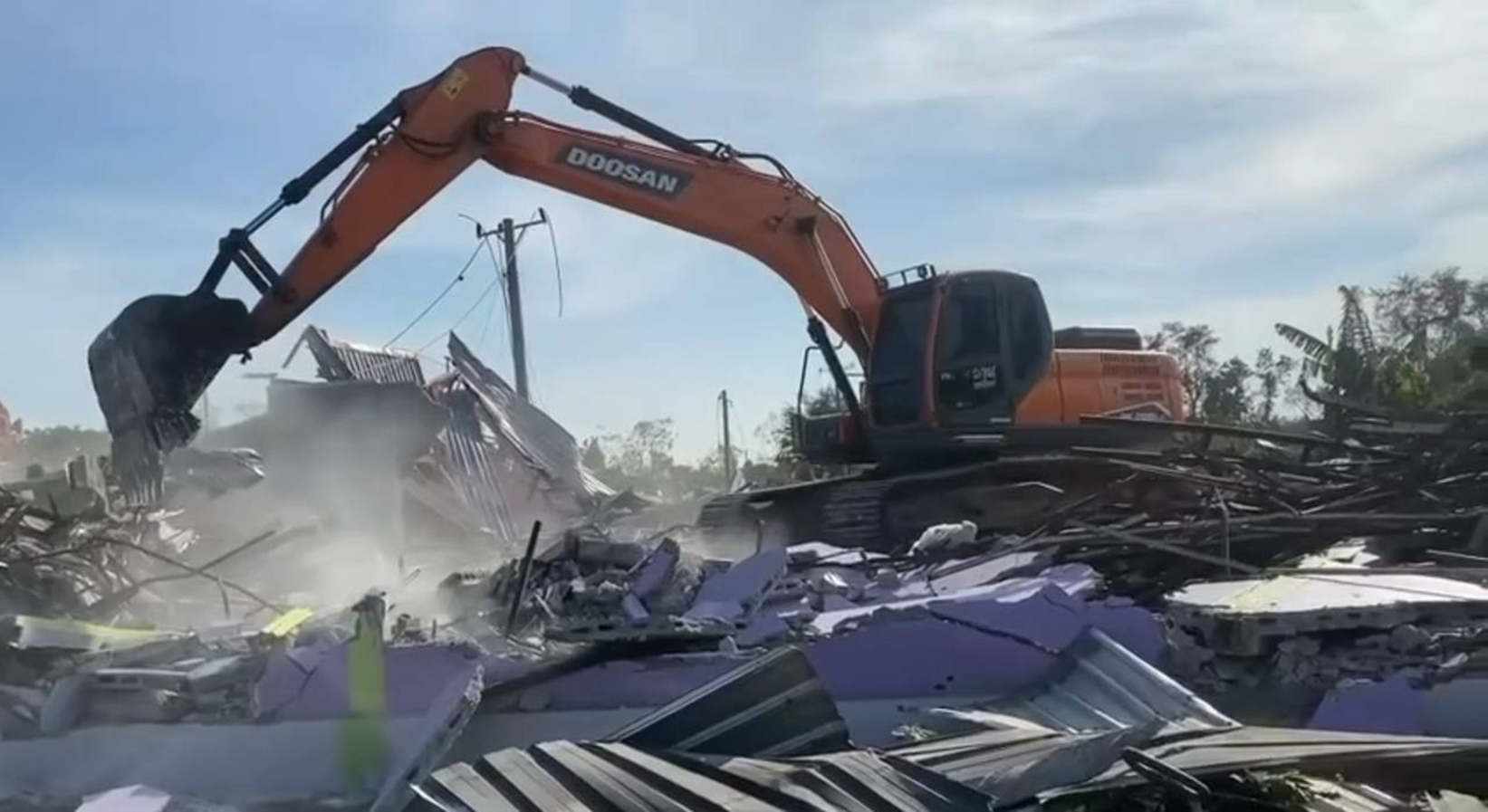
In the days following the truce that halted deadly fighting, Cambodian authorities reported that Thai forces moved into a disputed border village and took control of civilian areas. What followed was not stabilisation, but devastation. Civilian houses were burned. Others were flattened by bulldozers and excavators. Entire homes—belonging to unarmed villagers—were erased from the landscape.
This is not border management. It is collective punishment.
Destroying civilian homes after a ceasefire is a grave violation of international humanitarian norms. No security rationale can justify setting fire to houses or razing them with heavy machinery. These were not military installations. They were places where families lived, worked, and sought shelter. Their destruction sends a clear message: displacement is being used as a tool to assert control.
Thailand insists it did not invade Cambodian territory, claiming its troops operated within Thai sovereignty or “overlapping claim” areas. But sovereignty is not established by excavators, flames, or military coercion. It is defined by treaties, boundary agreements, and internationally recognised maps—not by the elimination of civilian presence.
Foreign journalists who visited the area after the ceasefire did not witness a neutral buffer zone. They saw armed troops, physical fortifications, Thai flags, barbed wire, and the aftermath of demolished homes. The pattern is unmistakable: remove civilians, entrench militarily, and deny everything.
Even more troubling is the timing. These actions occurred after both sides agreed to maintain positions and refrain from further troop movement. Burning homes and demolishing villages after a truce is not only a violation of Cambodian sovereignty—it is a direct breach of the ceasefire itself.
Cambodia has called for restraint, transparency, and a return to the Joint Boundary Commission, the only legitimate mechanism for resolving border disputes. It has rejected faits accomplis imposed by force and reaffirmed its commitment to peace. Thailand’s military actions—burning, bulldozing, and occupying—move in the opposite direction.
If the international community accepts the destruction of civilian homes as a legitimate border tactic, it legitimises annexation by terror and machinery. Ceasefires become meaningless, and international law becomes optional.
Peace cannot be built on ashes and rubble. Thailand must withdraw from occupied areas, allow independent verification of the destruction, and return to lawful negotiations. Anything less is not defence—it is annexation, carried out with fire and bulldozers under the cover of a ceasefire.
Roth Santepheap is a geopolitical analyst based in Phnom Penh. The views expressed are his own.
