The Photo Phnom Penh Festival returns for its 16th edition from November 19 to December 19, unveiling one of its most thought-provoking programmes to date.
With more than a dozen major exhibitions across the capital, the month-long event positions photography as a powerful conduit between memory, history and the planet’s increasingly fragile future.
Launched in 2008, the festival — initiated by the Centre culturel français, now the Institut français du Cambodge — has grown into a leading platform for artistic exchange between Asia and Europe.
“This year’s curatorial direction underscores that mission by bringing together historical archives, contemporary documentary work, ecological reflections, and cross-border collaborations,” according to organisers.
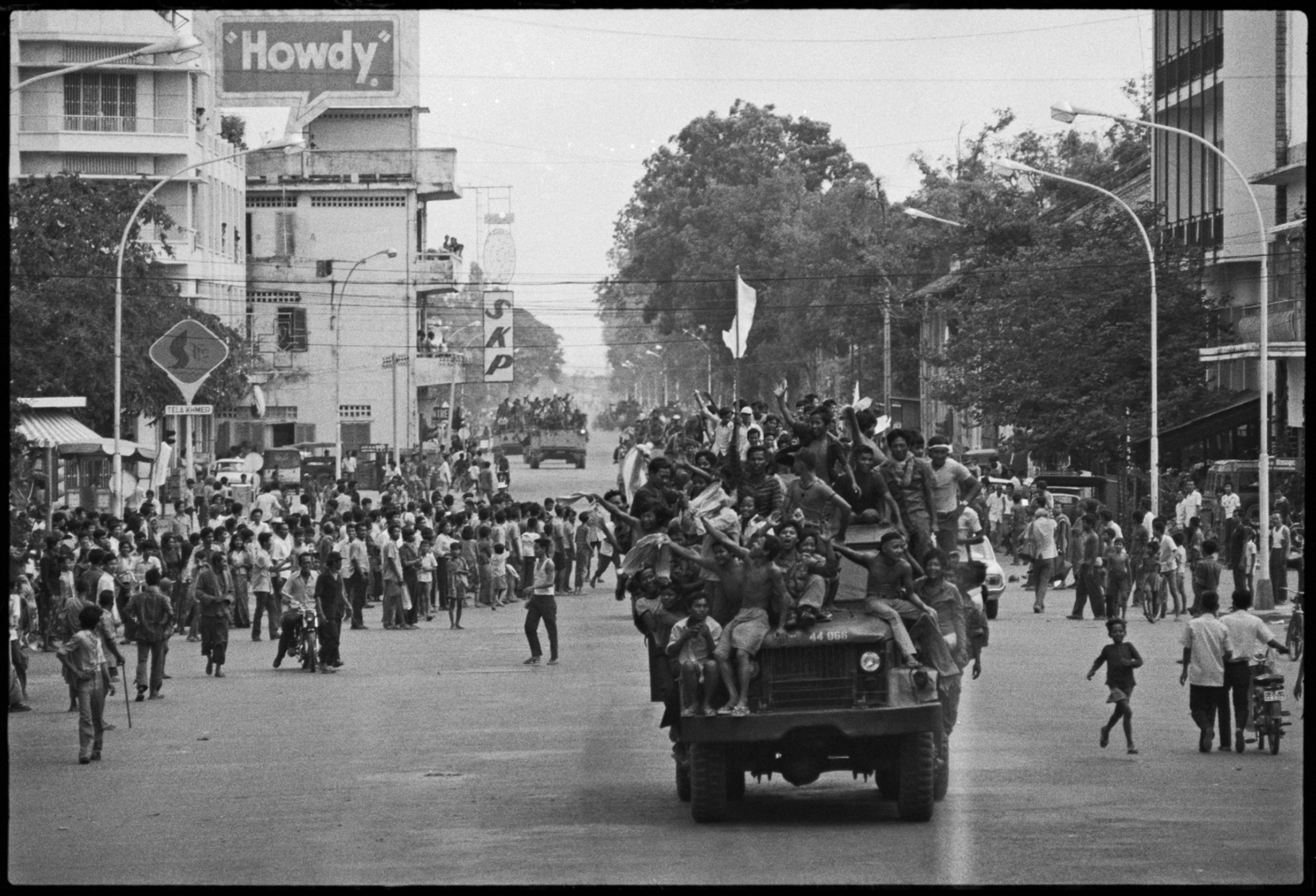
The festival’s opening weekend places memory at the forefront. The screening program “Cambodia, Memory in Images — 50 Years Later” revisits the fall of Phnom Penh on April 17, 1975 through the rare photographs of Roland Neveu — the only Western photographer present in the capital that day — alongside works by Philip Blenkinsop, Chikura Yukari and Sylvie Léget.
“Together, their images trace Cambodia’s long journey from civil war to recovery, offering audiences a layered meditation on remembrance,” explained the organisers.
Archival preservation takes a moving form at the Bophana Center, where Cambodian photographer Kim Hak presents Alive, a decade-long project documenting objects kept by families who lived through the Khmer Rouge regime, the refugee camps and the diaspora.
Each photograph serves as a fragile testimony, preserving stories that risk being lost as generations age.
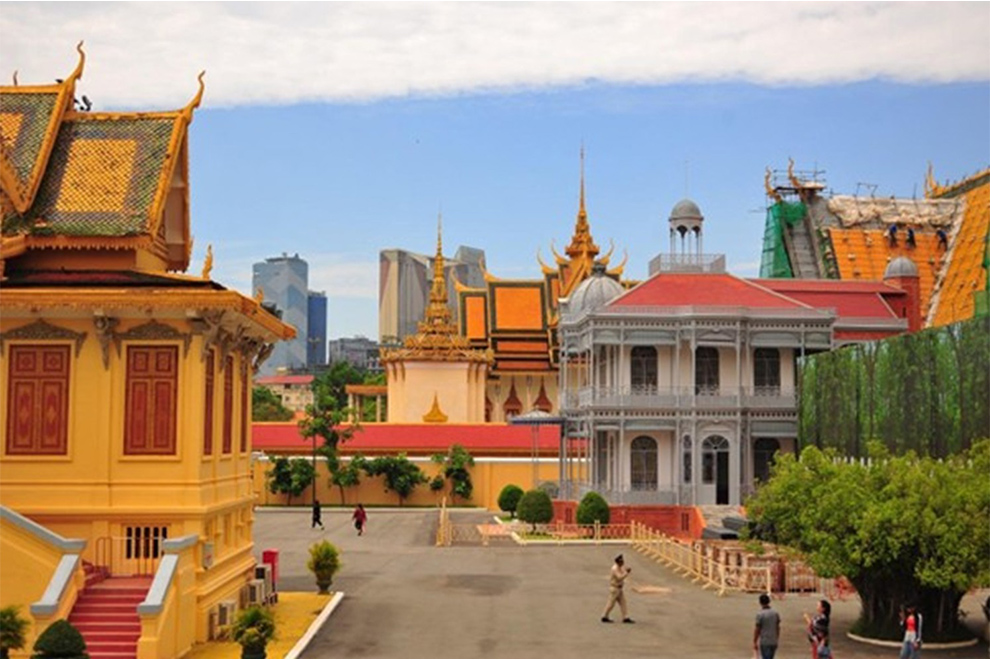
The National Museum of Cambodia hosts another historical highlight: the Phnom Penh archives of Micheline Dullin, the French photographer who documented the capital’s transformation in the late 1950s and early 1960s under King Norodom Sihanouk.
“Her images — some showing buildings that no longer exist — offer a rare glimpse into a period of rapid modernisation, from the construction of the Olympic Stadium to the emergence of new urban landscapes,” they said.
Environmental reflection forms the second pillar of this year’s festival.
At Studio Images / House of Photography, Swiss artist Laurence Bonvin exhibits Aletsch Negative, a multi-channel video installation portraying the rapid disappearance of the Alps’ largest glacier.
Through experimental animation and field sound recordings, the installation immerses viewers in the accelerating reality of climate change.
On the French embassy’s exterior walls, French photographer Letizia Le Fur showcases Mythologies, a vibrant, painterly exploration of humanity’s relationship with nature.
“Her large-scale images invite viewers into imagined landscapes where beauty, chaos, and metamorphosis collide,” according to the organisers.
Another major highlight is the Metis: Exploring Humanity’s Ties to the Ocean project at the Institut français du Cambodge.
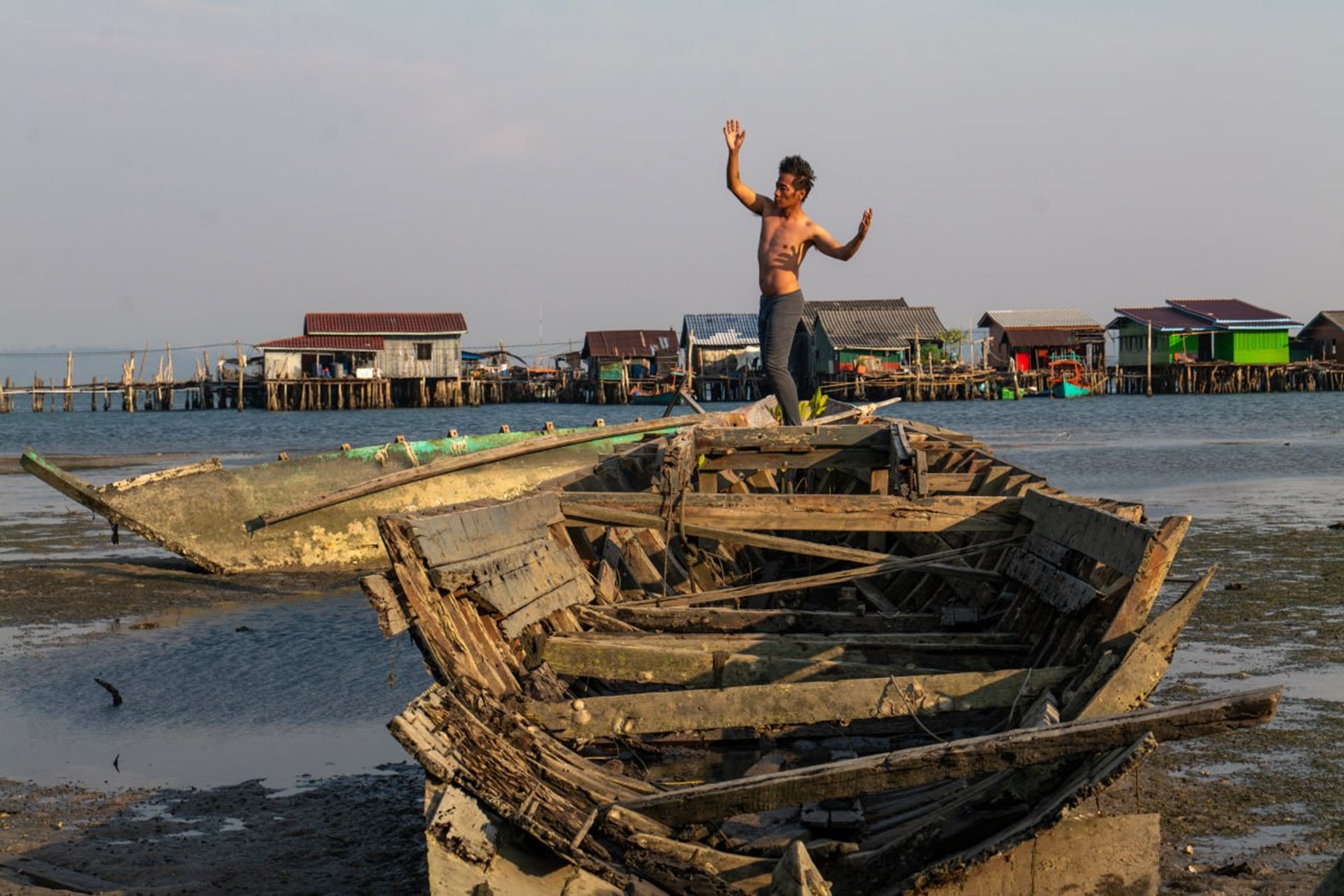
Developed by Cambodian artists Khiev Kanel, Khun Vannak and Sovan Philong, in partnership with a coastal community near the Thai border, the exhibition combines performance, video and photography to examine the fragile relationship between local livelihoods and marine ecosystems.
The project will be presented globally at the UN Ocean Conference in Nice.
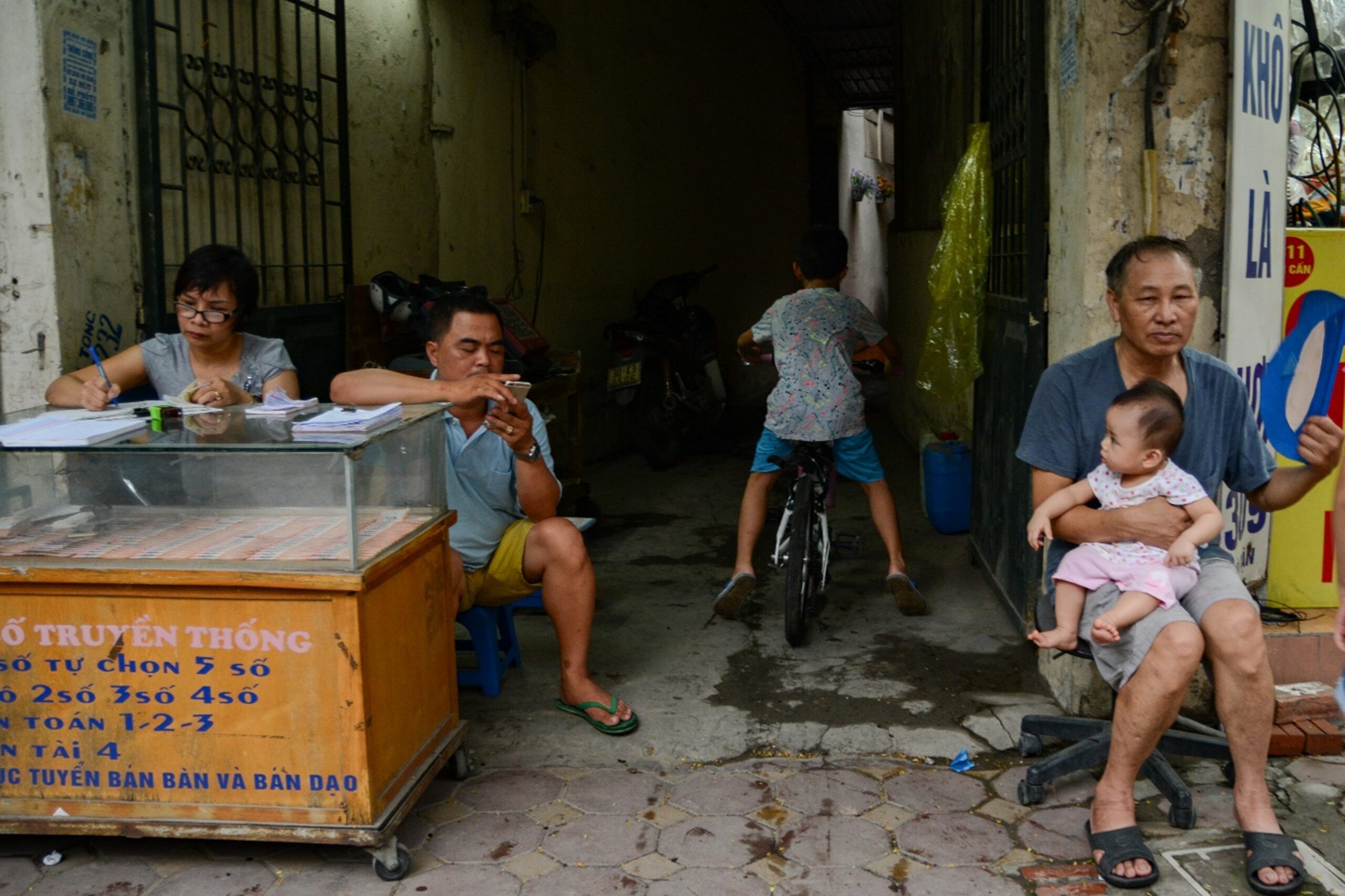
This edition also deepens regional cooperation. In collaboration with the Photo Hanoi Festival, Vietnamese documentary photographer Thanh Hue presents In Here Hanoi, her first exhibition of a long-term series depicting everyday life in the Vietnamese capital.
Meanwhile, Cambodian works will travel to Hanoi later this year.
At Sra’Art Gallery, the collective exhibition Cambodia Lightwaves gathers eight photographers from Asia and Europe to present a multifaceted portrait of Cambodia’s cultural and natural heritage, from temples and rituals to landscapes and contemporary identities.
In addition to exhibitions, the festival features portfolio reviews, tuk-tuk tours, roundtables, book presentations, workshops and the annual Studio Images student showcase.
“The festival’s newest venue — the Vann Molyvann House — opens with exhibitions and a new architecture library, transforming the late architect’s residence into a dynamic hub for art, design and community dialogue,” the organisers noted with pride.
The festival also continues its beloved Photography, Your Memory! initiative, offering free restoration and digitisation of old family photographs throughout the opening weekend — a gesture that echoes this edition’s powerful emphasis on heritage and collective memory.
As Phnom Penh welcomes artists, students, and audiences from across the region and beyond, Photo Phnom Penh 2025 reaffirms its role as a vibrant crossroads of ideas, stories, and perspectives — connecting past and present, personal memory and global challenge, Cambodia and the world.