



Cambodia and Thailand have pledged to take concrete steps to de-escalate border tensions and rebuild confidence between their two nations, agreeing to withdraw heavy weapons, end hostile rhetoric and release captive soldiers, under a new peace framework signed in Kuala Lumpur on Sunday.
The agreement — witnessed by US President Donald Trump and Malaysian Prime Minister Anwar Ibrahim — forms the heart of a joint declaration between Cambodian Prime Minister Hun Manet and his Thai counterpart Anutin Charnvirakul, marking a significant turning point in efforts to stabilise the border and restore trust, after years of intermittent friction led to armed clashes in late July.
Under the accord, both governments committed to military de-escalation under the supervision of an ASEAN Observer Team (AOT), which will verify the removal of heavy weapons and other destructive equipment from the frontier and oversee their return to regular military installations.
The two sides also agreed to create a step-by-step action plan to ensure the full and effective implementation of the ceasefire.
The declaration calls for both sides to refrain from spreading false or inflammatory information, including through government channels or social media platforms, in a bid to mitigate hostility and promote a climate conducive to peaceful dialogue.
In a move seen as a confidence-building gesture, Thailand also agreed to promptly release captured Cambodian soldiers and recognise the cessation of active hostilities, once the de-escalation measures are in place.
Both governments reaffirmed their intention to coordinate humanitarian de-mining operations in border areas, as part of broader efforts to protect civilians and support socio-economic development in frontier communities.
The plan, endorsed by the General Border Committee, aims to eliminate landmines without prejudice to ongoing border demarcation work.
“These steps demonstrate a shared resolve to restore mutual trust, friendship and stability along our border,” said a joint statement, which emphasised the goal of resolving disputes “peacefully, in the spirit of good neighbourliness and solidarity”.
The declaration also reaffirmed both nations’ commitment to settle border issues through peaceful means and international law, recognizing the Joint Boundary Commission as the key bilateral mechanism for dialogue and dispute resolution.
Observers say the inclusion of verifiable actions — such as troop withdrawal, prisoner release and information restraint — marks a notable shift from prior diplomatic statements toward measurable implementation of peace.
Signed in the presence of international witnesses, the Kuala Lumpur meeting was seen as a major step forward in ASEAN-led regional diplomacy, underscoring both Cambodia and Thailand’s willingness to turn the page on a long and often sensitive chapter in their shared history.
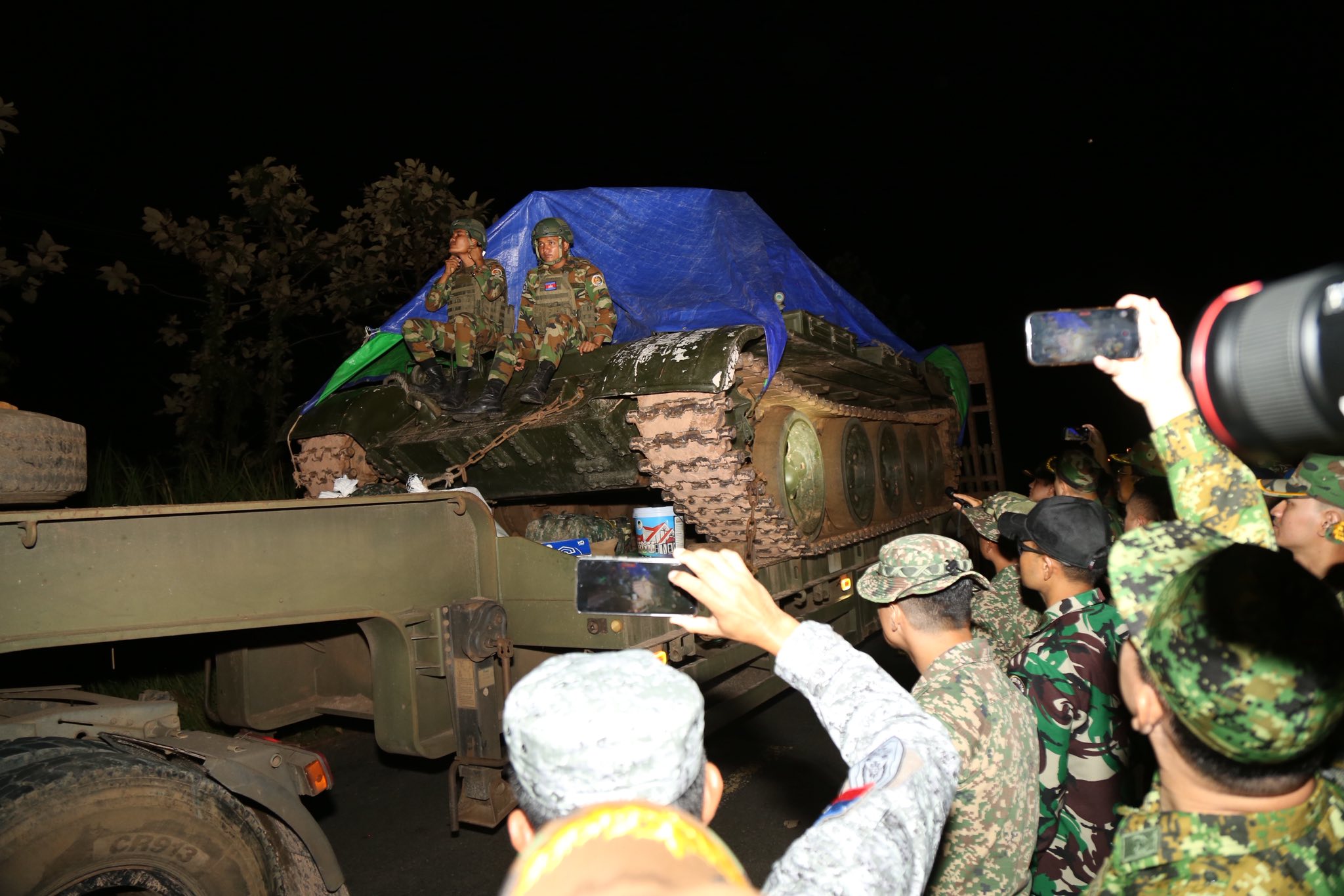
Cambodia begins first phase of weapon removal under ASEAN observation
Cambodia has begun the first phase of removing heavy weapons from the border areas, marking a symbolic step toward implementing the Joint Declaration signed in Kuala Lumpur.
According to a statement by Cambodia’s Minister of National Defence Tea Seiha, the first partial removal took place at 9pm on the same day the agreement was signed, October 26, under the observation of the ASEAN Observer Team (AOT). He described it as demonstrating both nations’ sincerity and firm commitment to de-escalation and peace.
The move follows the landmark agreement witnessed by Trump and ASEAN chair Anwar Ibrahim, in which Cambodia and Thailand pledged to restore confidence, reduce tensions and promote regional stability through coordinated military and humanitarian measures.
“Cambodia sincerely hopes that this positive step will contribute to joint efforts in promoting peace, stability, and a swift return to normalcy,” said Seiha.
He reaffirmed Cambodia’s unwavering commitment to fully implementing the Kuala Lumpur declaration and to working closely with Thailand for the benefit of both nations and their peoples “for many generations to come”.
