



The air in Phnom Penh on April 17, 2025, hummed with a different kind of anticipation. Fifty years had passed since the city’s fall to the Khmer Rouge, a half-century etched into the collective memory of Cambodia.
This poignant anniversary will be brought to life at the Bophana Audiovisual Resource Center this weekend, in an exhibition that promises to transform remembrance into a living, breathing dialogue: ALIVE.
Running from October 18 until November 15, ALIVE is more than just an exhibition; it is a homecoming.
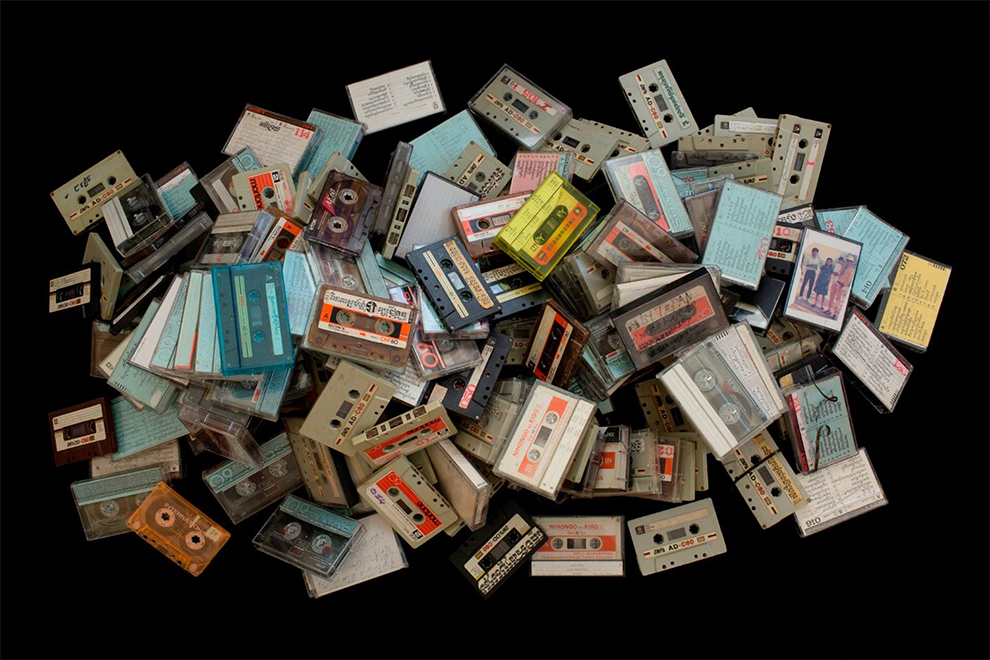
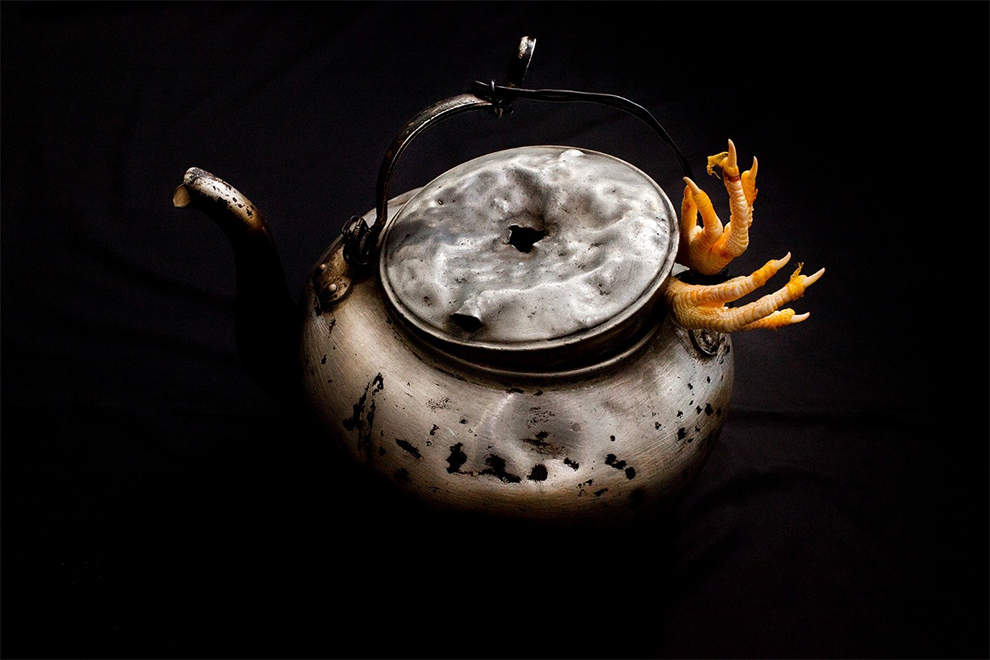
Well-known artist Kim Hak, under the creative direction of Rithy Panh and curated by Moeng Meta, has spent over a decade meticulously documenting the ordinary objects that became extraordinary vessels of memory for survivors of the Khmer Rouge regime.
Kim Hak’s journey began in Cambodia (Alive I), then extended across oceans to Australia (Alive II), New Zealand (Alive III) and Japan (Alive IV), tracing the paths of the Cambodian diaspora and the fragments of history they carried.
Photographs, kettles, cherished family heirlooms, worn clothing – each item a silent testament to quiet courage, a piece of the Kingdom held close against the tide of trauma.
“Every brick and wall of this centre stands against forgetting,” declared Rithy Panh, co-founder of the centre.
The exhibition, spanning two floors and integrated within the first-floor library, represents a significant expansion for the centre, signalling its evolution from an archive to a dynamic cultural hub.
The collaborative effort, deeply rooted in a partnership with Rei Foundation Limited, aims to transcend mere historical commemoration.
As Reiko Fukutake, executive director of the Rei Foundation, noted, “ALIVE allows audiences to engage in new conversations about the diverse experiences during and in the aftermath of the Khmer Rouge regime”.
Moeng Meta, the exhibition’s curator, emphasised its distinct Cambodian heart.
“Our goal was to let these objects speak directly to young Cambodians who may not have lived the history but still carry its legacy,” she explained.
The exhibition is not just about recalling the past but about reclaiming history through empathy, ensuring that memory remained a vibrant, national space.
Beyond the physical display, a rich public programme is planned. Creative learning activities, visual strategy sessions and forum sessions featuring Kim Hak, historian Keo Duong and community voices aim to foster intergenerational dialogue. A new documentary film, Embers of Memory, directed and edited by Rithy Panh, offers an intimate look at the artist’s reflections.
ALIVE is a powerful testament to resilience, a profound artistic and emotional return for a nation grappling with its past.
It reflects the Bophana Center’s mission to transform personal memory into collective history, ensuring that the legacy of survival, migration and return will continue to inspire hope across generations and communities.
