



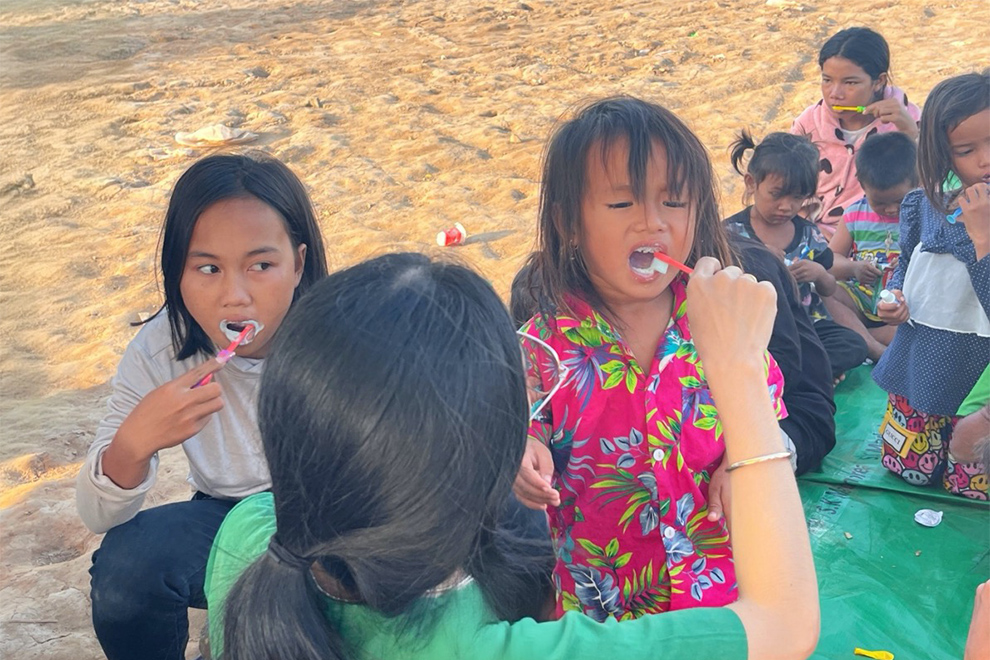
Adoption in Cambodia, particularly for vulnerable children, is about to take a significant leap forward.
The government, in collaboration with various international organisations, has been working diligently to ensure that children without parental care are placed in loving, supportive families.
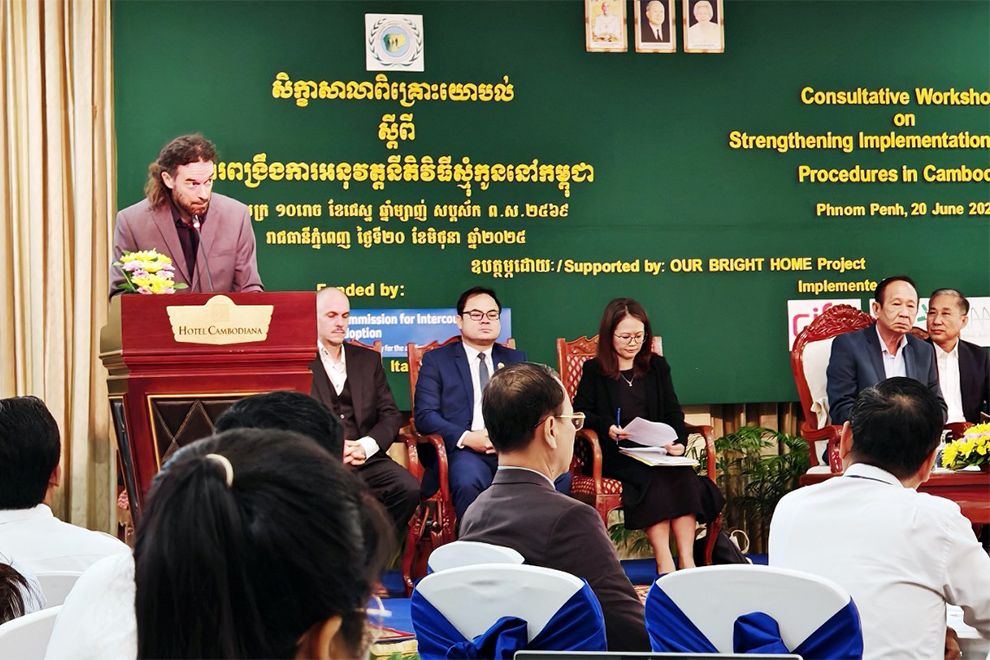
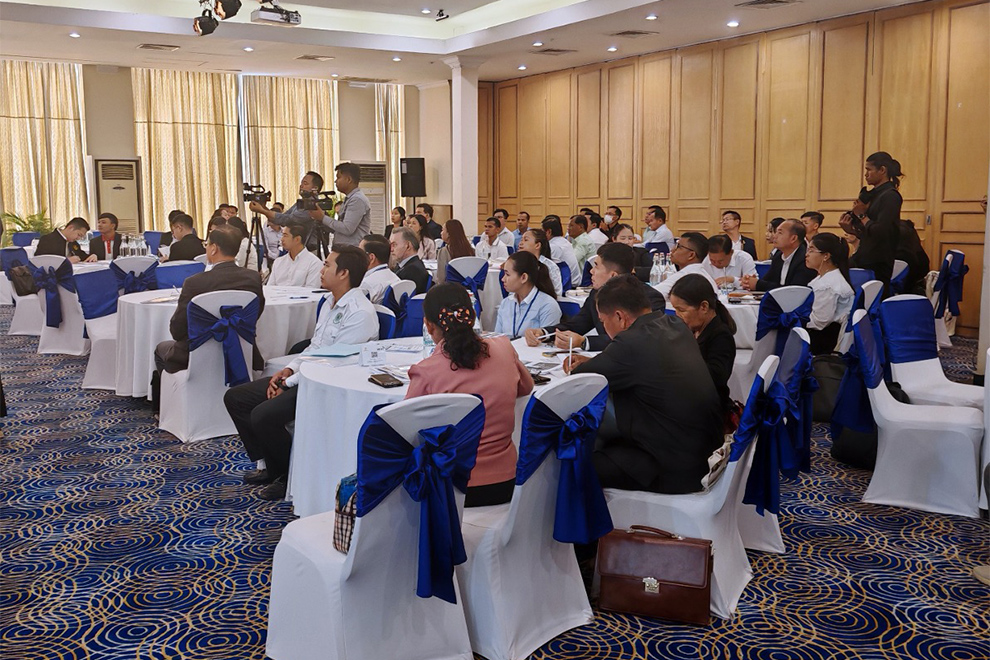
The final workshop on strengthening implementation adoption procedures in Cambodia, was held on June 20, as a strategic partnership between the Ministry of Social Affairs, the Ministry of Justice, and organizations like CIFA for People, Holt International and CIAI.
Cambodia is reinforcing its adoption processes to better protect its children while adhering to international standards.
The collaborative effort to improve Cambodia’s adoption system is underscored by the recognition that children’s futures are at stake.
Lucas Penasa, program director at CIFA, emphasised the complexity of adoption processes and the necessity for legal and social sectors to work hand in hand.
“As adoption is a complex process, I welcome new partners who wish to join us, even though international development organisations have been excluded,” he said.
The “Our Bright Home” project has been instrumental in laying the groundwork for better child protection and adoption practices, and the final workshop marked a crucial step in ensuring these improvements are sustainable.
A partnership for child welfare
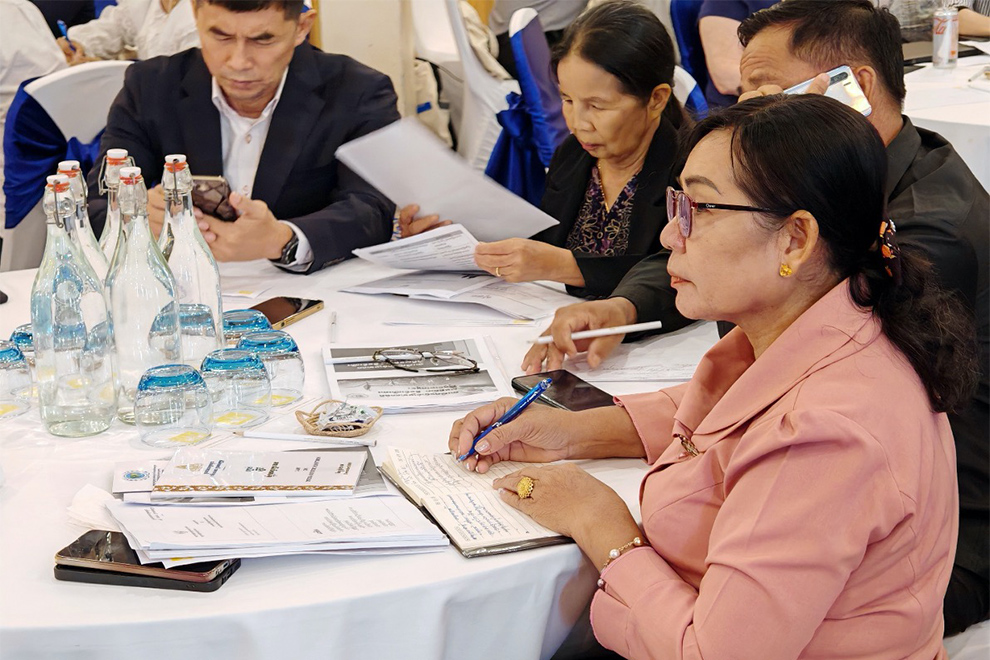
Ung Rina, undersecretary of state at the justice ministry, highlighted the profound impact adoption has on a child’s life.
For children who cannot live with their birth families, adoption offers a chance to thrive in a family environment full of love, care and stability.
“For children without parental care, adoption is a wonderful opportunity for them to grow up in a family environment, happiness, love and understanding, so that the child’s personality can fully develop,” she stated during the workshop.
However, Rina also pointed out the risks involved in poorly executed adoptions, such as trafficking, abuse or the loss of a child’s identity.
The Cambodian government has worked to prevent such dangers by implementing stricter adoption laws over the past decade.
“As a state party, the Kingdom of Cambodia is obligated to strengthen safeguards to ensure that intercountry adoptions are conducted in the best interests of the child and with respect for the child’s fundamental rights,” she noted.
Since the enactment of the Civil Code in 2007 and its full implementation in 2011, Cambodia has made strides in refining adoption procedures to ensure that the welfare of the child is prioritised.
A careful approach to intercountry adoption
The issue of intercountry adoption remains sensitive. While Cambodia ratified the Hague Convention on the Protection of Children and co-operation in respect of intercountry adoption in 2007, the country has not carried out any intercountry adoptions since the law was revised in 2009.
Men Socheth, secretary of state at the social affairs ministry, emphasised that while the intercountry adoption process is currently suspended, there is a pressing need to expedite procedures for children who have been abandoned and cannot be adopted locally.
“Intercountry adoptions, if done properly and completely, can help 100 per cent of children to be adopted,” Socheth said.
“But if we do not do it well, this picture could turn into child trafficking and abuse,” he added, underscoring the balance that Cambodia must strike between promoting adoption and preventing harm to its children.
Domestic adoption gains ground
Domestic adoption, on the other hand, has seen significant progress. Cambodia’s new laws and policies emphasise the importance of placing children in homes within their own country.
Phi No, director of the Department of Child Protection, provided valuable data on the current adoption landscape.
“From 2020 to mid-2025, 16 children (9 girls) received final court decisions on adoption cases, including four in Phnom Penh, five in Battambang, and seven in Siem Reap,” No said.
“34 children have been registered with the Intercountry Adoption Administration, and 14 children (5 girls) have been registered as adoption subjects,” he added.
He noted that five children (4 girls) are awaiting a court decision on a guardianship application in Battambang province.
Due to the law enacted in 2009, no new intercountry adoption cases have been initiated.
Intercountry adoptions in the Kingdom of Cambodia began in 1987, with a total of 3,728 children adopted under the Marriage and Family Law (1989) and Sub-Decree 29 ANK.BK (March 14, 2001).
With the continued collaboration between the relevant ministries and their international partner organisations, the adoption process in Cambodia is evolving into a more streamlined and child-centred system.
Experts are working together to enhance the capacity of officials, social workers and child protection officers to ensure that adoption is not only possible but also safe for the children involved.
Strengthening the system from the ground up
The “Our Bright Home” project, a continuation of the “Our Bright Future” initiative, aims to provide better care for vulnerable children through a dual strategy: capacity building at the institutional level and direct grassroots intervention.
As part of this initiative, the project has trained 180 civil servants and reached over 550 children through various activities, including the promotion of domestic adoption and the provision of support for children living in vulnerable communities.
The project has also focused on improving the socio-educational conditions of children in disadvantaged areas like Phnom Penh and Sihanoukville.
Through outreach activities and the operation of childcare centres, the project ensures that vulnerable children have access to education, meals and medical care.
The goal is not only to find families for these children but also to provide them with the resources they need to grow and thrive.
In the words of Socheth, “We must ensure that adoption is done right, because every child deserves a chance at a happy, fulfilling life.”
