Efforts to improve labour dispute prevention and resolution in the Kingdom are gaining momentum as government officials, employers, workers’ representatives and international partners review new research aimed at strengthening industrial relations and dispute settlement mechanisms.
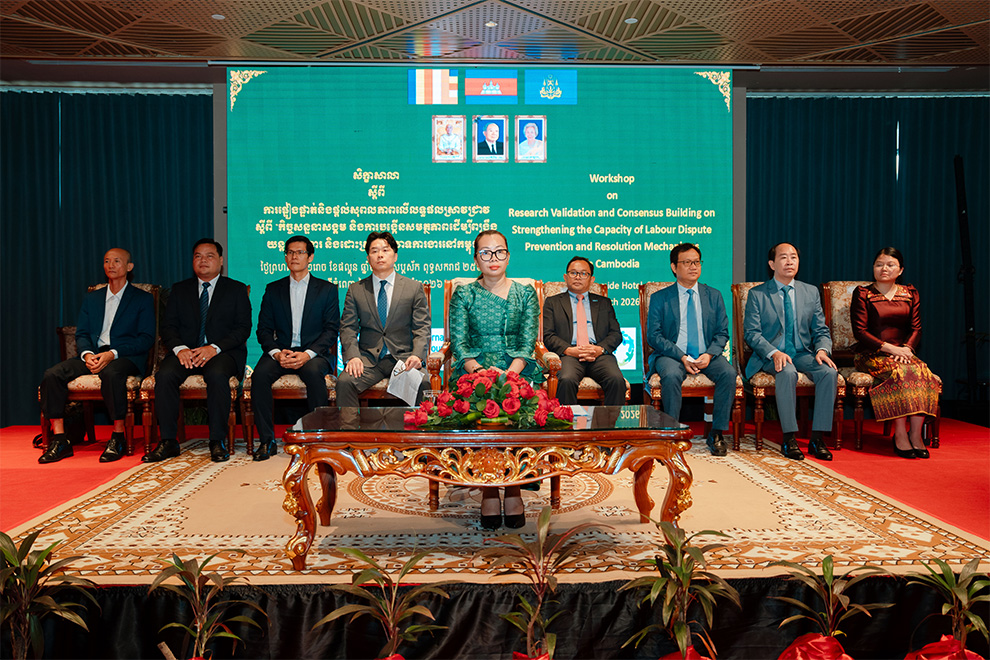
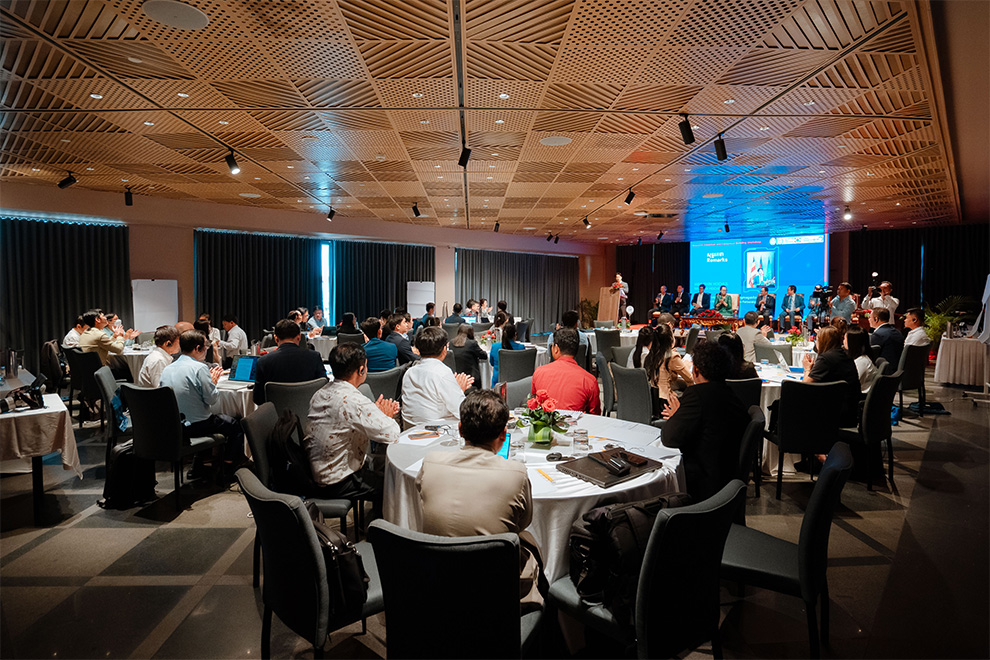
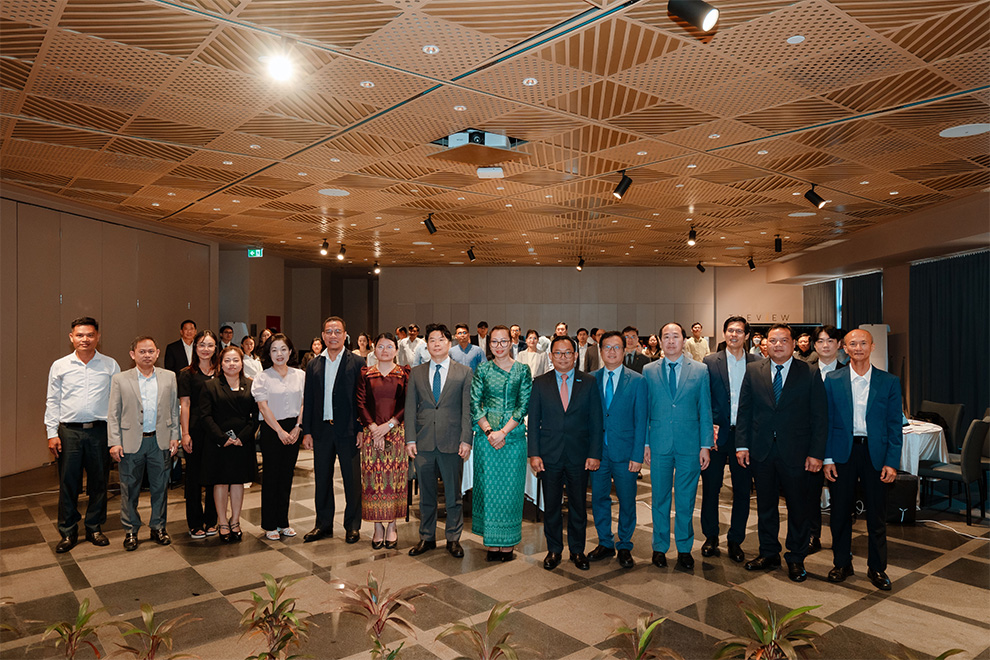
The discussion took place during a research validation and consensus-building workshop held on March 5 at the Sun & Moon Riverside Hotel in Phnom Penh, and brought together about 60 to 70 participants from the government, labour unions, employer organisations and development partners.
The workshop was organised with support from the International Labour Organization (ILO) under the ILO Korea Partnership Programme, in collaboration with the Korea Labour and Employment Service (KLES), as part of a broader effort to improve labour dispute prevention and strengthen social dialogue in Cambodia.
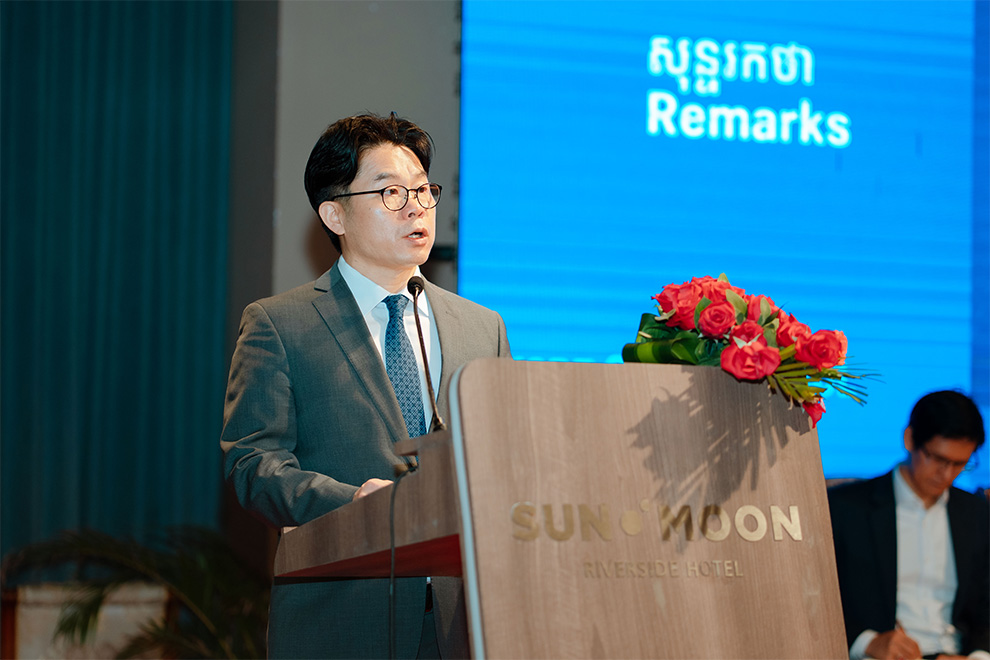
Speaking at the opening session, Mr Shin Hochul, Chief Technical Advisor of the ILO-Korea Partnership Programme, said the initiative reflects a year-long collaborative effort between Cambodia’s tripartite partners — the government, employers and workers — to assess how labour disputes can be managed more effectively.
“Over the past year, the ILO-Korea Partnership Programme and Cambodia’s tripartite partners have been walking this path together, step by step,” he said, noting that consultations, training sessions and technical workshops have been conducted since the project was launched in Phnom Penh in October 2024.

Shin said the research presented at the workshop should be viewed as a starting point rather than a final blueprint for reform.
“This kind of research-based approach to labour dispute improvement is being attempted in Cambodia for the first time,” he said.
“The direction may be clear, but the practical steps will ultimately need to be shaped by Cambodia’s own tripartite constituents.”
The workshop focused on validating research findings and gathering feedback on proposed reforms aimed at strengthening Cambodia’s labour dispute prevention and resolution mechanisms.
According to Shin Yong Hoon, a certified public labour attorney from Korea who presented the research findings, Cambodia already has legal frameworks for handling labour disputes, including conciliation services provided by the Ministry of Labour and Vocational Training and arbitration through the Arbitration Council.
However, he said the system continues to face several operational challenges.
“To optimise the effectiveness of the current legal framework, it is essential to bolster implementation and modernise data tracking. Enhancing transparency and broadening stakeholder participation will ensure a dispute resolution system that is both highly credible and responsive to everyone’s needs,” he explained.“While legal frameworks exist, weak implementation, limited data systems and low enforcement continue to undermine effectiveness,” Shin Yong Hoon said.
“Stronger institutions, better transparency and broader participation from government, employers and workers are needed to build a more credible and accessible dispute resolution system.”
The research proposes several reformsdevelopment, including strengthening legal and institutional frameworks, improving the fairness and quality of conciliation and arbitration procedures, and expanding data systems to monitor labour disputes more effectively.
Among the proposals is the creation of a Labour Dispute Conciliation and Mediation Centre or an expansion of the functions of the Arbitration Council to handle both conciliation and arbitration.
These pilot models are intended to improve access, efficiency and trust in dispute resolution mechanisms.
Government officials say Cambodia has already made progress in improving dispute resolution.
Sovann Vannaroth, Permanent Secretary of State at the Ministry of Labour and Vocational Traininglabour ministry, said dispute settlement rates have improved significantly in recent years.
“According to data from 2025, the settlement rate for both individual and collective labour disputes increased to more than 97 per cent. In 2024 the rate was 87 per cent,” she said.
Despite the improvement, Vannaroth stressed that the government’s priority is to prevent disputes rather than only resolving them after they occur.
“The ministry implements prevention and resolution of disputes rather than waiting for labour disputes to happen,” she said.
Her Excellency shared her appreciation with the ILO-Korea partnership programme for paying close attention and providing active support in contributing to the Cambodia government in promoting the harmonisation of industrial relations in Cambodia, adding that this promotion is a priority of the ministry.
“The main purpose of today’s workshop is not only to review and consult on technical and policy issues raised by the research team,” she said.
“It is also an important opportunity for all of us to implement important working methods to respond in a timely manner in accordance with the needs of the tripartite parties, including the Royal Government, employers and workers, especially the private sector and workers, who have been in need of a system as well as an urgent response to the need to improve professional relations and labour relations between workers and employers,” she continued
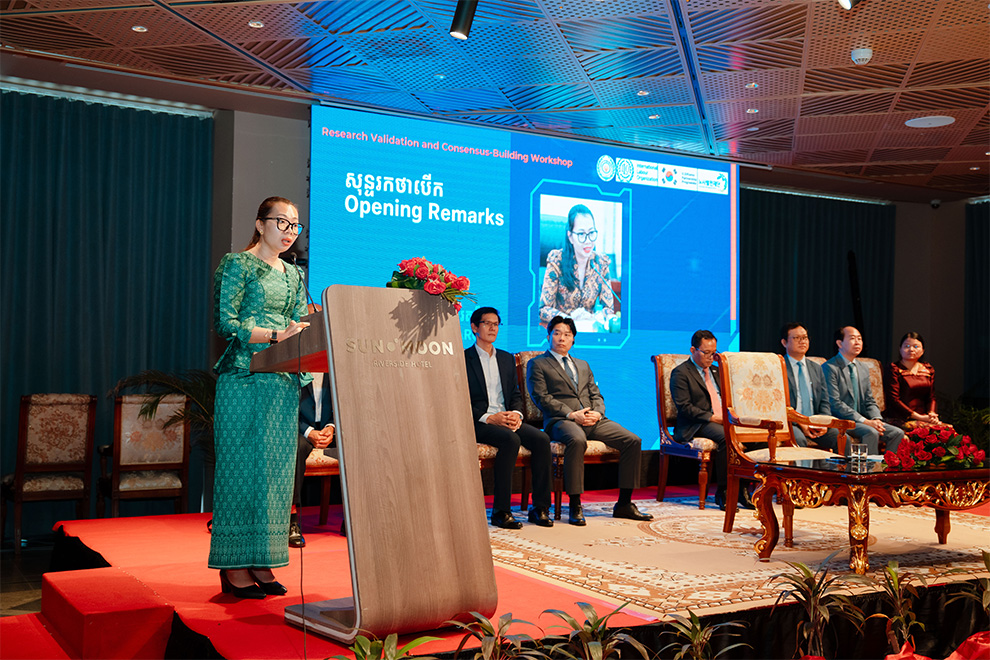
Vannaroth noted that the participants of the seminar were all very attentive and responsible, contributing in their roles as representatives of the government, relevant ministerial officials, as well as representing the voices of workers and employees with private sector representatives in building a better professional relationship through the tripartite mechanism.
The system for resolving labour disputes, both individual and collective, includes several embedded important actors, including labour inspectors, labour conciliators, and the Arbitration Council.
Vannaroth said the research findings could help strengthen Cambodia’s existing mechanisms and update policies in line with the government’s broader vision for labour relations.
“I hope that the results of the research conducted over the past two years will contribute to strengthening the prevention and resolution of labour disputes in Cambodia and improve mechanisms, so they respond appropriately to the needs of all parties,” she added.
The workshop also provided an opportunity for representatives of workers and employers to discuss how tripartite cooperation can be strengthened.
Arun Kumar, collective bargaining and social dialogue specialist at the ILO, said labour disputes are a natural part of employment relationships but can be managed effectively through strong dialogue and fair procedures.
He added that improving Cambodia’s labour dispute system requires stronger legal foundations, greater transparency and wider participation from all stakeholders.
Participants at the workshop included representatives from government ministries, labour unions, employer associations and research institutions, including the Cambodia Development Resource Institute.
Officials say feedback from the workshop will help refine the research findings and guide the next phase of the project, including the development of a comprehensive action plan to strengthen Cambodia’s labour dispute prevention and resolution system.
The initiative forms part of the ILO’s broader support for promoting decent work and strengthening labour relations as Cambodia’s economy continues to grow and diversify.