The credibility of ASEAN’s conflict-management role came under sharp scrutiny on Tuesday, December 23, as Thai military forces continued shelling Cambodian territory and civilian areas, even as regional foreign ministers convened a Special ASEAN Ministers’ Meeting in Malaysia aimed at easing tensions.
According to Cambodia’s Ministry of National Defence, Thai forces carried out sustained attacks along the Cambodia–Thailand border on December 22 and 23, marking the 17th consecutive day of hostilities and repeated violations of the ceasefire and Joint Declaration signed by the two prime ministers on October 26.
The latest assaults unfolded hours after the ASEAN meeting concluded, raising questions over Thailand’s commitment to regional dialogue and the effectiveness of ASEAN-led diplomacy.
In the 4th Military Region, covering Oddar Meanchey and Preah Vihear provinces, Thai forces fired artillery and tank shells from shortly after midnight through the morning of December 23, striking areas around Ta Mone Temple, Preah Vihear Temple and Ta Thav, the ministry said.
Cambodian forces remained engaged in defensive operations while monitoring the situation under heightened vigilance, according to the ministry.
Fighting was also reported across the 5th Military Region, including in Banteay Meanchey, Battambang and Pursat provinces.
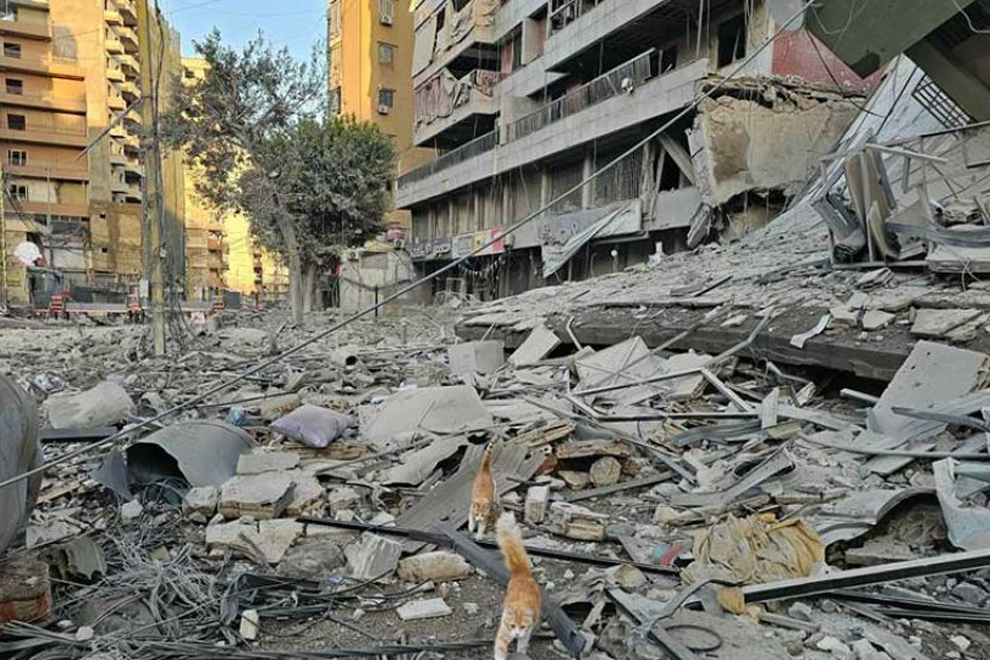
On the evening of December 22, Thai shells landed in densely populated residential areas of Poipet municipality, followed by flare gun fire later that night.
Further shelling resumed in the early hours of December 23, hitting multiple locations in Battambang province and again striking civilian neighbourhoods in Poipet, according to the ministry’s update.
The defence ministry said the attacks deliberately targeted areas where civilians live, in contrast to Cambodia’s stated position that its right to self-defence is exercised solely against military targets.
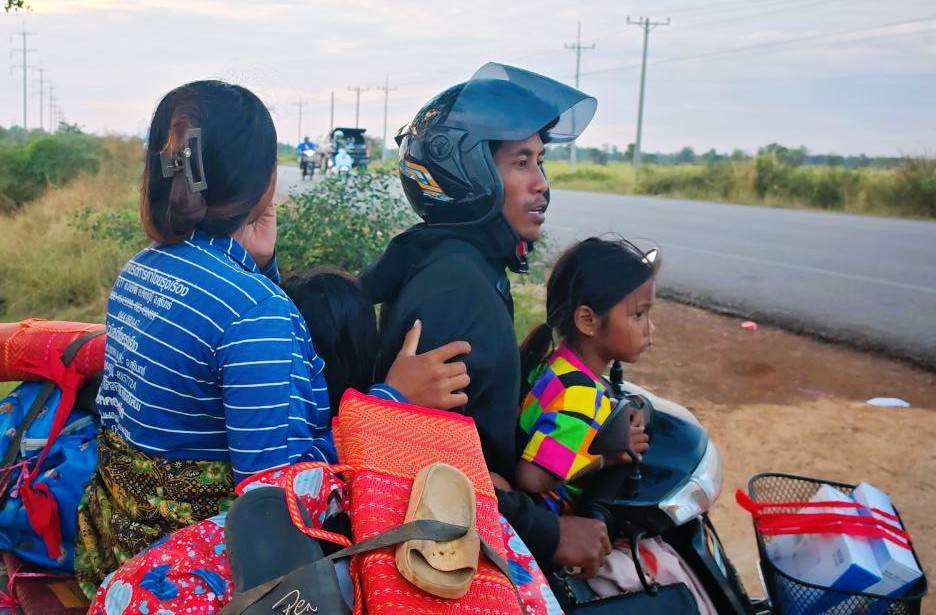
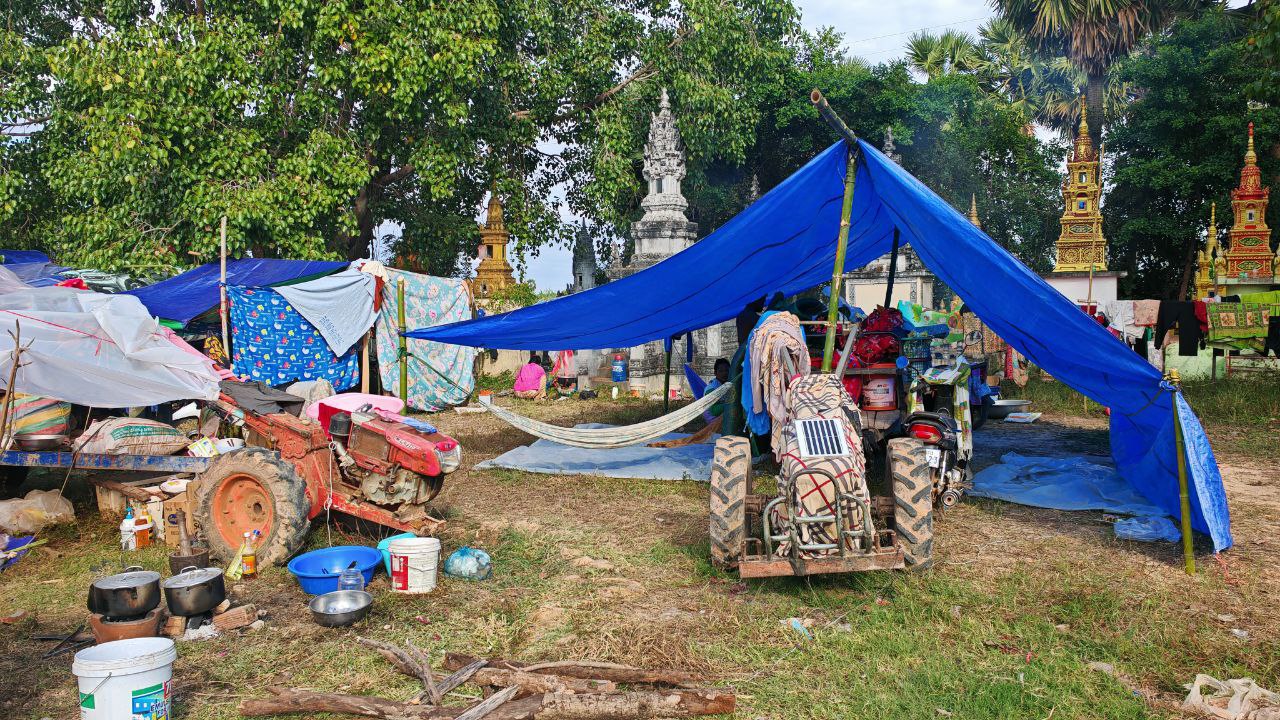
As of 6 pm on December 22, at least 21 Cambodian civilians, including an infant, had been killed and 83 others injured, the ministry reported.
In a strongly worded statement, Cambodia accused Thailand of deploying heavy and destructive weapons, including F-16 fighter jets, advanced drones, cluster bombs and toxic smoke, and of massing troops inside Cambodian territory.
Such actions, it said, constitute clear violations of the UN Charter, the ASEAN Charter and fundamental principles of international law, and pose a serious threat to regional peace and stability.
“The continuation of armed aggression despite ongoing diplomatic efforts undermines the spirit of the Joint Declaration and ASEAN’s commitment to peaceful dispute settlement,” the ministry said.
It called on the international community to condemn Thailand’s actions and demand an immediate halt to hostilities and withdrawal of forces from Cambodian territory.
Cambodia commits to ceasefire, Thailand blames politics
Cambodia reaffirmed its commitment to the ceasefire and resolving the dispute through peaceful means and international law, noting that the October 26 Joint Declaration was initiated by US President Donald Trump and signed in good faith by both sides.
At the same time, it stressed that Cambodian armed forces and national police would remain steadfast in defending national sovereignty and protecting civilians.
Cambodia has said it is ready for an unconditional ceasefire, but Thailand’s Foreign Minister Sihasak Phuangketkeow said that Thailand has not received any formal proposal.
Sihasak accused Cambodia of making public statements aimed more at increasing international pressure than resolving the border crisis.
He also suggested that previous agreements, including the July ceasefire, were rushed due to US involvement and expectations surrounding President Trump’s visit.
Trump has claimed that Thailand was beginning to respond to diplomatic pressure, while indicating that Bangkok had initiated and later renewed hostilities against Cambodia.
“Thailand is starting to shape up, you know they started with Cambodia, they started up again,” Trump said during the announcement of a new Trump-class warship last night, alongside the US Secretary of Defense and the Secretary of the Navy.

“But I think Marco, we have that in pretty good shape to have that stopped. So we stopped eight wars,” he said.
The General Border Committees of both countries are scheduled to meet Wednesday to work out detailed measures for a lasting ceasefire.
Meeting in Kuala Lumpur under Malaysia’s ASEAN chairmanship, the foreign ministers called on both sides to ensure civilians can return safely and with dignity to their homes and livelihoods. They also reaffirmed their commitment to peaceful dispute settlement, respect for international law and internationally recognised boundaries.
ASEAN welcomed discussions on resuming a ceasefire and confirmed that the General Border Committee will convene on 24 December 2025 to discuss the implementation and verification of the ceasefire.