Cambodia is stepping up efforts to meet international food safety standards in its fisheries sector, aiming to unlock new export opportunities in European markets as the EU-funded CAPFISH-Capture: Post-harvest Fisheries Development project nears completion this December.
At the project’s final technical workshop held in Phnom Penh today, October 6, senior officials, development partners and regional representatives highlighted Cambodia’s progress in strengthening its food control system — a crucial step toward expanding market access and fostering regional collaboration.
Funded by the European Union and implemented by the Fisheries Administration (FiA) of the Ministry of Agriculture, Forestry and Fisheries, with support from UNIDO, the CAPFISH-Capture initiative has helped align Cambodia’s fish processing and quality assurance practices with international standards.
“So far, 22 Cambodian enterprises have received the Cambodia Quality Seal (CQS) certification, while nine others have adopted the CamTrace digital traceability system, improving compliance and credibility across the sector,” according to a joint press release.
These developments come as Cambodia prepares for the 2026 DG SANTE audit, which could clear the way for local enterprises to export low-risk fisheries products to EU markets.
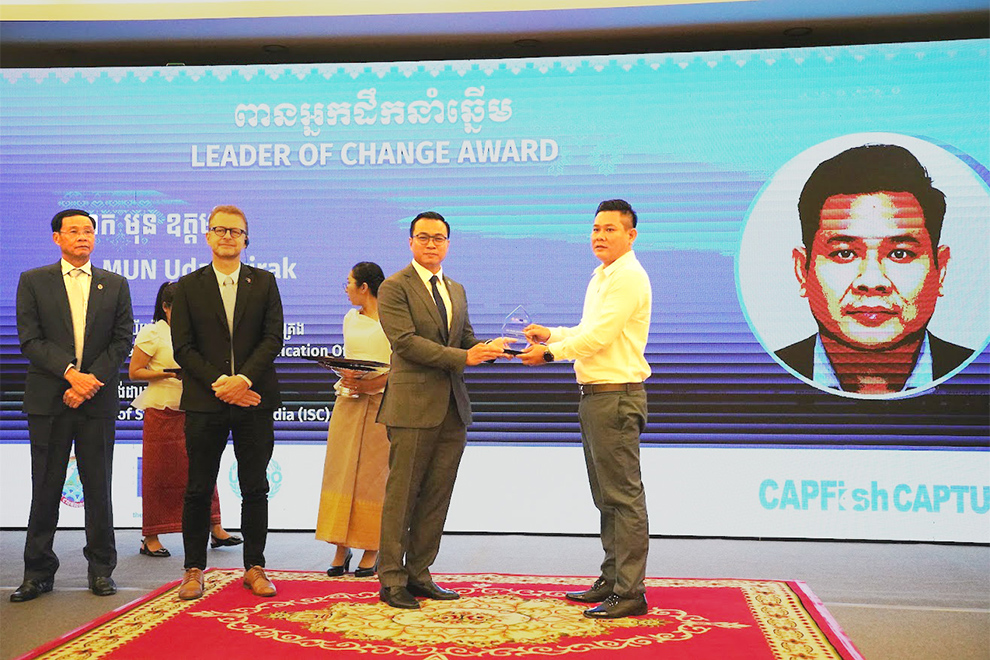

Prak David, Secretary of State of MAFF, said the project represents a key turning point in Cambodia’s food safety reforms.
“This initiative is not only about certification but about building a culture of trust and responsibility that benefits both consumers and producers,” he said.
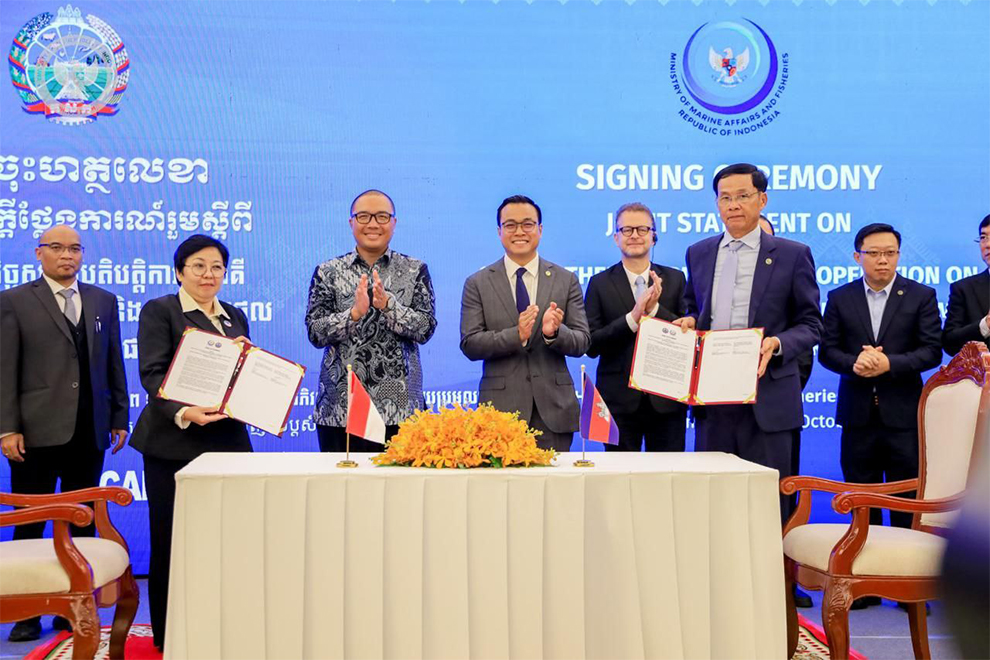
On the sidelines of the workshop, Cambodia and Indonesia signed a joint statement to enhance cooperation on fisheries quality assurance and safety. The signing was witnessed by Indonesian ambassador Santo Darmosumarto and agriculture ministry secretary of state Prak David.
“Fisheries play a significant role in the human and economic development of ASEAN countries. However, this sector is prone to environmental and health challenges. It is imperative that we collaborate to enhance the quality and safety of fish products,” Santo said, during the event at Cambodiana Hotel.
The joint statement, signed by representatives from Indonesia’s Marine and Fisheries Quality Assurance Agency and the agriculture ministry, is expected to pave the way for a forthcoming memorandum of understanding (MoU) on Fisheries Cooperation between the two nations.
Santo expressed confidence that Indonesia’s long-established, internationally recognised food safety and quality assurance system could provide “valuable insights and practical knowledge” to Cambodia’s ongoing efforts.
Meanwhile, David welcomed Indonesia’s technical cooperation, noting that “while Indonesia is an archipelago made up of more than 17,000 islands, there is much to learn from Cambodia’s own progress in fisheries and aquaculture development”.
According to Koen Everaert, acting head of cooperation at the EU Delegation, passing the DG SANTE audit will be a milestone achievement for Cambodia.
“Successfully passing this audit will unlock new market opportunities for low-risk fisheries products and solidify Cambodia’s reputation as a trusted supplier of high-quality fish products,” he said.
UNIDO country representative Sok Narin praised Cambodia’s advancements.
“Strong local leadership and dedicated stakeholders have laid the groundwork for a resilient and competitive fisheries sector,” hesaid.
As Cambodia prepares for the next phase of cooperation and export readiness, Poum Sotha, director-general of the FiA, emphasised that the CAPFISH-Capture project “goes beyond reports and certifications; it represents a legacy of change and a symbol of hope for a more prosperous fisheries future”.
With strengthened partnerships, improved traceability and a clear focus on international compliance, Cambodia’s fisheries sector is positioning itself not only to reach EU markets but also to emerge as a regional model for responsible and sustainable fisheries management.