Minister of Environment Eang Sophalleth and Bawitlung Vanlalvawna, Indian ambassador to Cambodia, met on Friday, January 9 to discuss tiger conservation and the promotion of community-based development projects under the framework of bilateral cooperation between Cambodia and India.
A January 10 environment ministry statement explained that the minister briefed the ambassador on progress in the tiger conservation project being implemented in cooperation with the International Big Cats Alliance (IBCA). The project is focusing on restoring tiger populations and ensuring that conservation activities are successfully implemented in line with the established plans.
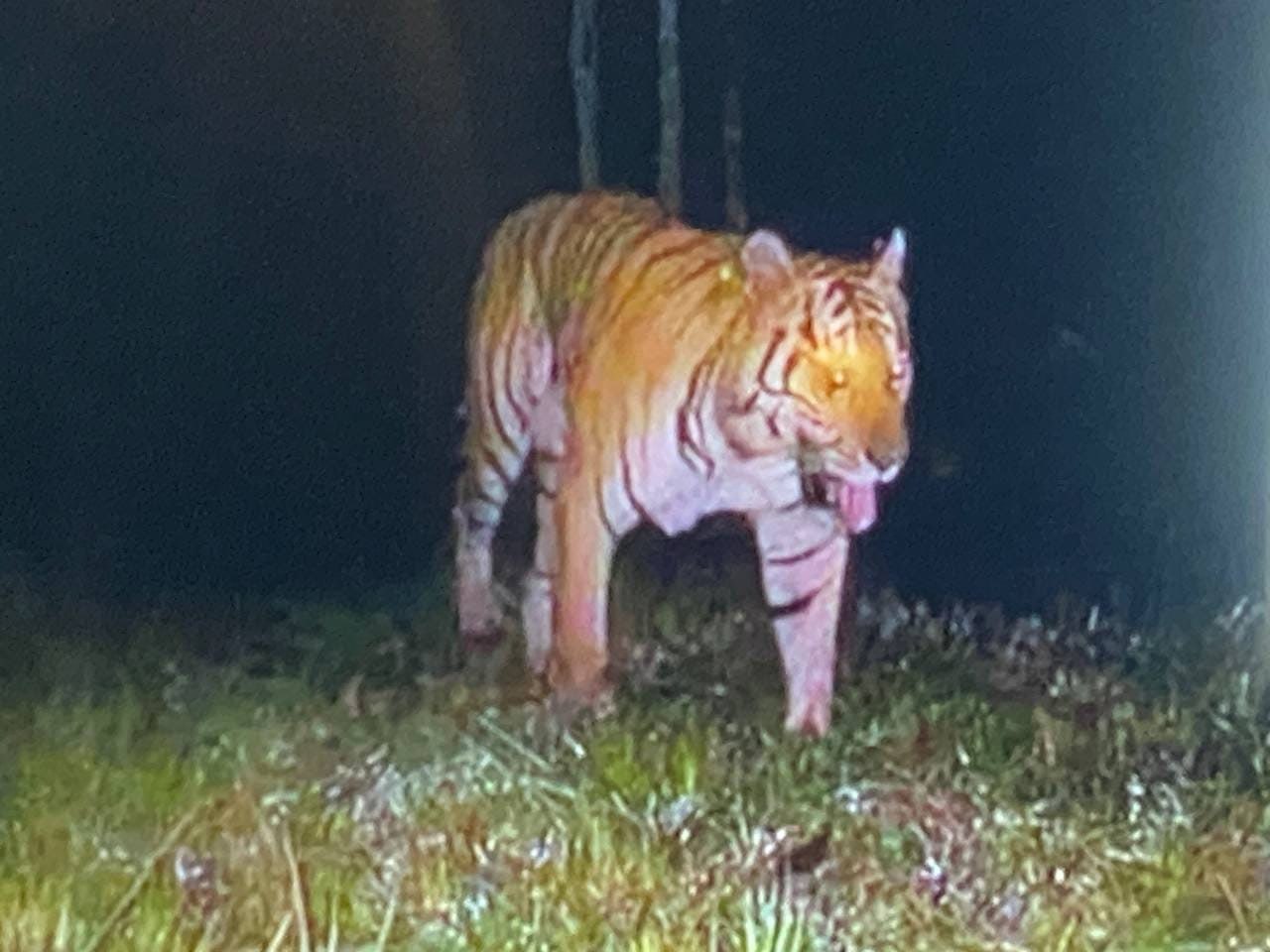
The ministry previously announced that, in the first phase, Cambodia plans to bring four tigers from India in the future — one male and three females. If the Kingdom succeeds in caring for and conserving these tigers, the Indian government will increase the number provided by up to a further 11 tigers.
The four tigers will be released into the core zone of the Cardamom Mountains, which is protected and considered the safest area for restoring the tiger population in Cambodia. In this core zone, the tigers will be supported by intensified ranger patrols and technical assistance, such as fitting radio collars, satellite tracking and movement monitoring.
The ministry, together with partner organisations, has installed more than 400 camera traps in the Cardamoms to study populations of wild prey species that will serve as food for the tigers.
“Cambodia and India have jointly committed to continue strengthening cooperation in order to deliver tangible benefits to local communities,” added the ministry statement.
It noted that the Indian government has continued to provide annual technical training courses for ministry officials.
This tiger restoration project is a joint initiative between the Royal Government of Cambodia and the Government of India, based on a memorandum of understanding signed between the two countries in 2022, marking a historic step forward for tiger conservation in Cambodia.