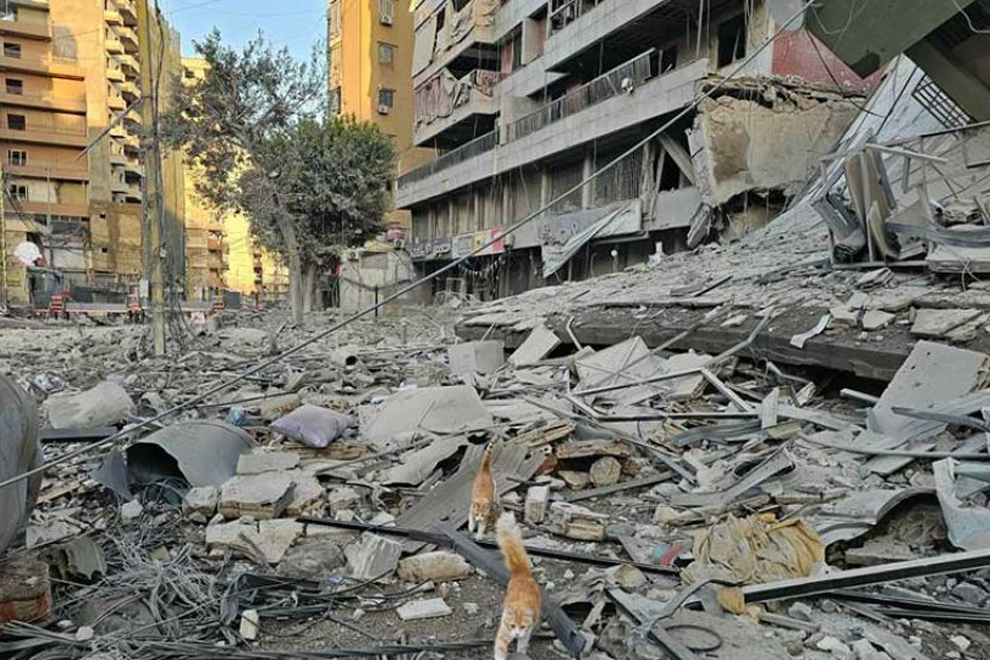
As fighting along the Cambodia–Thailand border forces tens of thousands of families from their homes, the country’s education system is facing an emergency of its own, with nearly 209,000 students affected by school closures and months of learning already lost in frontline provinces.
Many children, particularly in Preah Vihear and Oddar Meanchey provinces, have missed three to four months of schooling due to repeated disruptions linked to border tensions, according to World Vision International in Cambodia.
The situation worsened during the latest wave of displacement between December 7 and 13, when families fled shelling and sought refuge in evacuation centres across several provinces.
“They have lost three to four months of education during the July clash, which has had a huge impact on their learning,” said Rithy Prum, senior technical specialist for the Education Programme at World Vision International in Cambodia.
“During the five-day displacement period, the situation became even more difficult,” he continued.
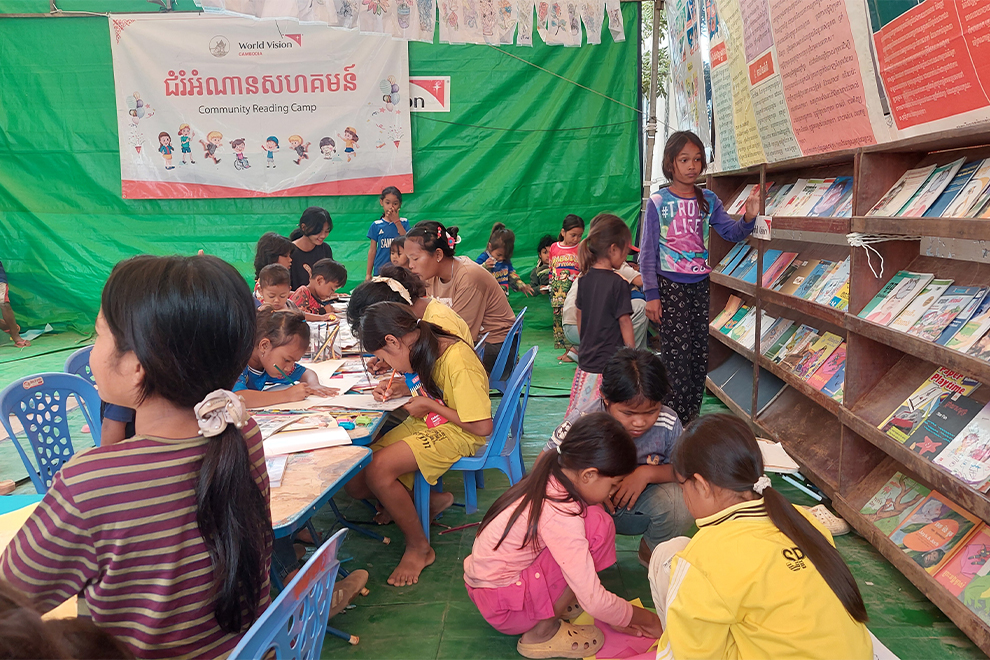

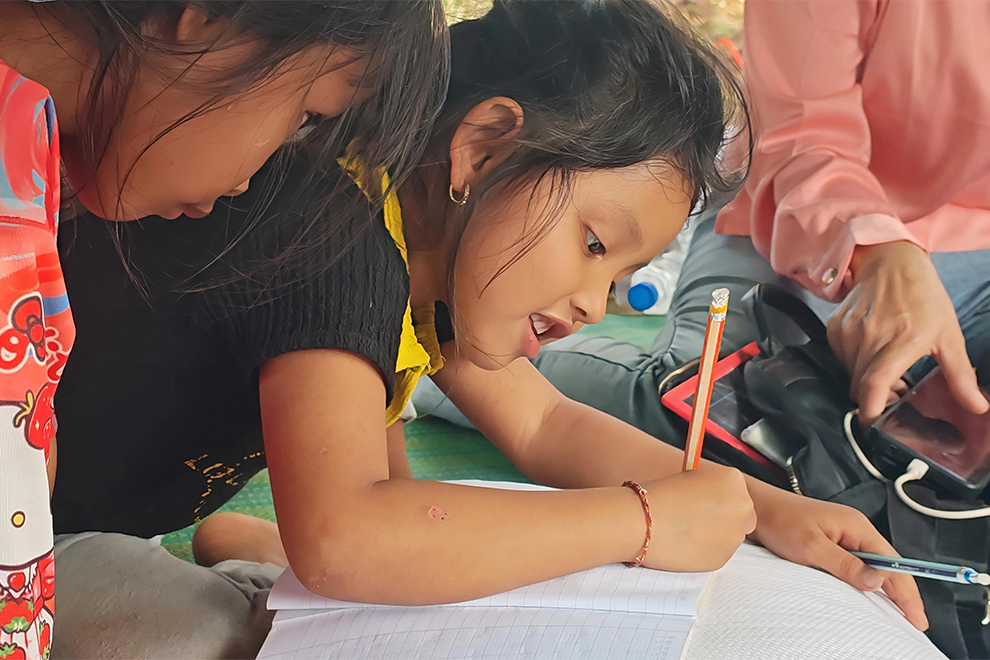
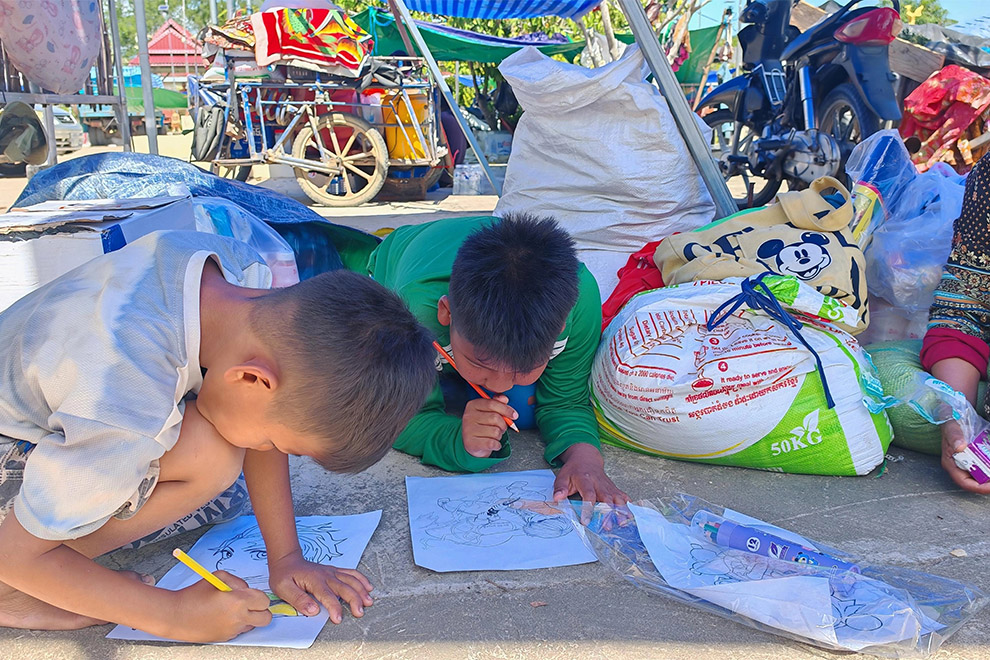
In response, World Vision has shifted its focus from conventional classroom support to emergency learning measures, setting up reading camps and short learning sessions inside safe centres to prevent a complete break in education.
The programmes, typically lasting 60 to 90 minutes, bring together children, teachers and community members to maintain basic literacy and routine while formal schooling remains suspended.
“We set up reading camps so children have a place to come together to read stories, play and take part in activities that help reduce fear and emotional distress,” Rithy said.
“If the conflict continues for an extended period, these short-term learning programmes are critical,” he added.
Beyond academic loss, the emotional toll on children is mounting. Rithy warned that prolonged insecurity could lead to heightened stress, anxiety and irritability, particularly among children living in unfamiliar and unsafe environments after fleeing their homes.
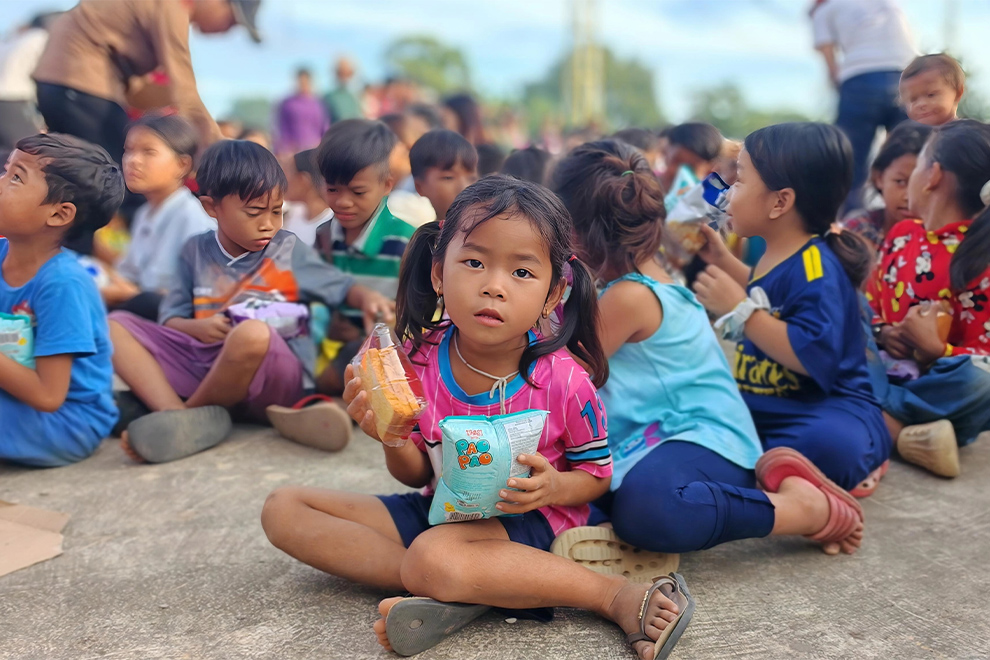
To address this, World Vision has established “Child-Friendly Spaces” in evacuation centres, offering structured play and psychosocial support alongside learning activities.
More than 30 such locations are currently operating in Preah Vihear, Siem Reap and Banteay Meanchey provinces.
“They come to our locations knowing that, first, they are safe; second, they are warm; and third, they are cared for while they play,” Rithy told The Post.
“These programmes help reduce stress caused by emotional trauma, including fear from hearing gunfire,” he added.
While the closures aim to protect lives, education advocates warn that prolonged shutdowns risk long-term learning loss and increased dropout rates, particularly among older students.
That risk is already visible in evacuation centres.
At Wat Ksatrei Kdol in Battambang province, where 1,478 displaced families — 8,015 people — had taken shelter as of 5.30pm on December 13, dozens of children are struggling to maintain study routines amid crowded conditions.
Across Battambang, 29 evacuation centres are hosting 38,693 people, including around 12,000 children.
The scale of disruption is reflected in government figures. The Ministry of Education, Youth and Sports has ordered the closure of 883 schools nationwide as a preventive security measure, affecting 208,985 students and 7,278 teachers.
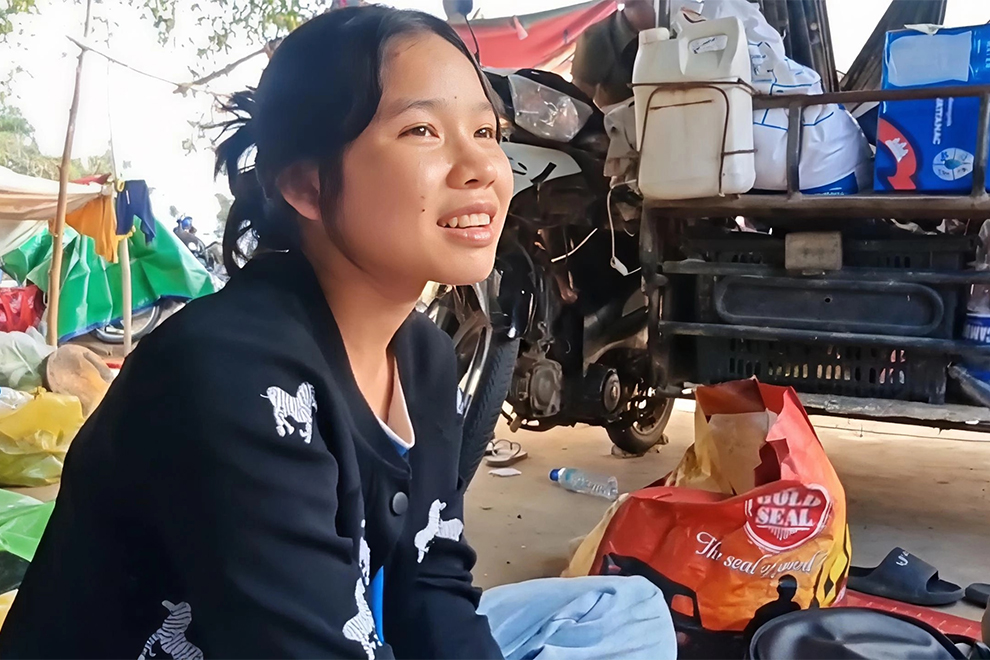
Among them is Bros Jing Uy, a 16-year-old Grade 11 student from Pech Chenda High School, who now studies under a blue tarpaulin set up on monastery grounds after her home and school became unsafe.
On December 10, authorities instructed her family and other villagers to evacuate following shelling in Sampov Lun district.
Originally from O’Anlak village in Kam Rieng district, Jing Uy said missing school for just a few days already feels like a serious setback.
“I have already missed three or four days of school,” she told The Post. “If I don’t study, I won’t be able to learn, and I won’t be able to help our society.”
Determined not to fall behind, Jing Uy plans to seek permission from the principal of Bavel High School to continue her studies temporarily, as Pech Chenda High School remains closed under ministry orders due to security concerns. She said she was nervous about applying, but felt she had no choice.
With the goal of become a teacher, Jing Uy said the experience of displacement had brought stories from her grandmother’s generation into sharp focus.
“I only heard about fleeing and shelling from elders before,” she said. “They say this generation has it easier because we receive food and assistance. In their time, they received nothing.”
Her mother, Su Channa, said her daughter’s commitment to education has not wavered despite the crisis.
“She never misses a day of school, even when she is not feeling well,” she said. “She really wants to study.”
Local authorities acknowledge the importance of education programmes in evacuation centres but say immediate safety and logistics remain the priority.
Chhay Martinal, Battambang’s deputy governor in charge of Wat Ksatrei Kdol, said an organisation had requested permission to run children’s programmes at the camp.
“I understand that the children’s issue is very important, but I need some time because right now we are preparing for the general refugees,” he said, adding that discussions with the organisation would take place soon.
Education specialists warn that time is precisely what displaced students do not have.
With national examinations, grade progression and future employment prospects at stake, emergency learning initiatives are increasingly seen not as optional humanitarian support, but as a frontline defence against a generation-wide educational setback.
As border tensions persist, the challenge for Cambodia’s education system is no longer only about when schools can safely reopen, but how to ensure learning continues — wherever children are forced to take shelter.