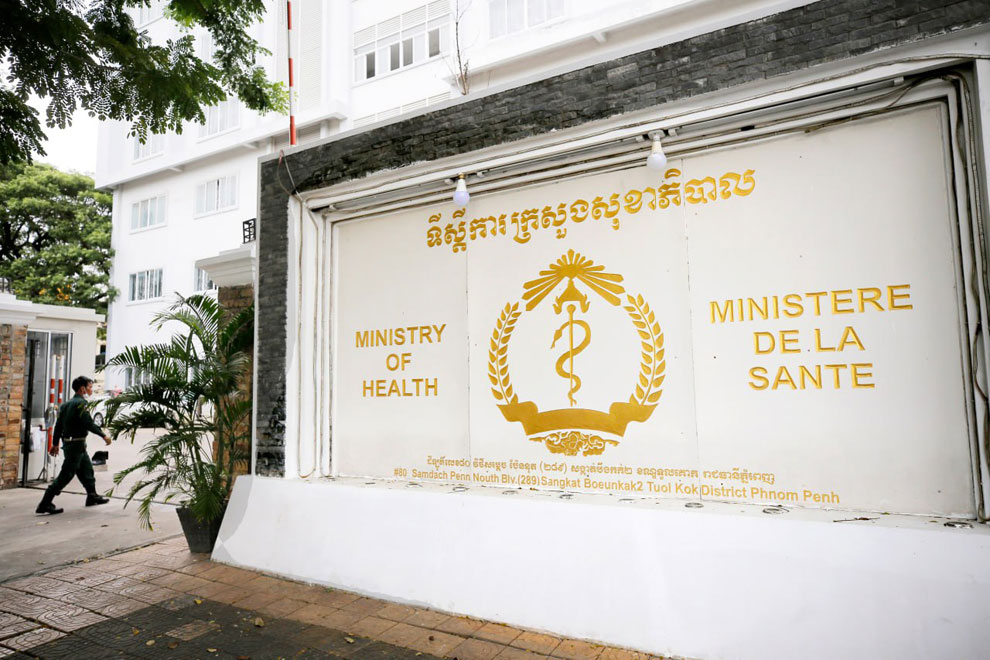
The Ministry of Health has issued a cautionary notice regarding the dengue vaccine “Qdenga”, which is not officially endorsed by the World Health Organisation (WHO).
Currently promoted on social media, the vaccine is still undergoing its third phase of four studies, as stated in the ministry’s January 24 release.
Both the WHO and the US Food and Drug Administration (FDA) have yet to grant full approval for “Qdenga” as an effective dengue vaccine.
The WHO also cautions against administering the vaccine to individuals with no prior history of dengue infection. This precaution is due to the potential risk of the vaccine triggering the initial transmission of dengue fever.
Subsequent occurrences of dengue fever represent secondary cases, and in these instances, the risk of developing severe dengue fever is heightened and vaccination is advisable.
“At present, ‘Qdenga’ is not officially registered in Cambodia. Therefore, the ministry urges the public to appreciate and prioritise healthcare through approved means authorised by the ministry,” it said.
To curb the transmission of dengue fever, the ministry advises the public and local authorities to take preventive measures. This includes eliminating mosquito breeding grounds by disposing of items that may collect water, such as discarded car and motorcycle tyres and other containers.
“It’s important to seek medical attention if you suspect dengue fever, especially if symptoms worsen or if you experience severe abdominal pain, persistent vomiting, bleeding or difficulty breathing,” it advised.
On January 25, Leang Rithea, director of the National Dengue Control Programme (NDCP), noted that all vaccines exhibit side effects to varying degrees. It is not exclusive to dengue vaccines; temporary impacts on health can occur with any vaccine.
He added that the vaccine, presently promoted on social media, lacks recognition from WHO. Even with WHO endorsement, health experts from the ministry must analyse and evaluate it before an official launch in Cambodia.
“It is not advisable to solely rely on vaccines, whether officially recognised or not. The crucial emphasis lies in individuals maintaining a hygienic lifestyle, eliminating receptacles conducive to water accumulation and promptly seeking medical attention in case of symptoms. This underlines the greater importance and efficacy of preventive measures compared to vaccination,” he said.
According to Rithea, in 2023, Cambodia recorded over 30,000 cases of dengue fever, marking an upturn from previous years. Despite the increase, he assured that the current situation remains manageable, and there is currently no cause for heightened concern.