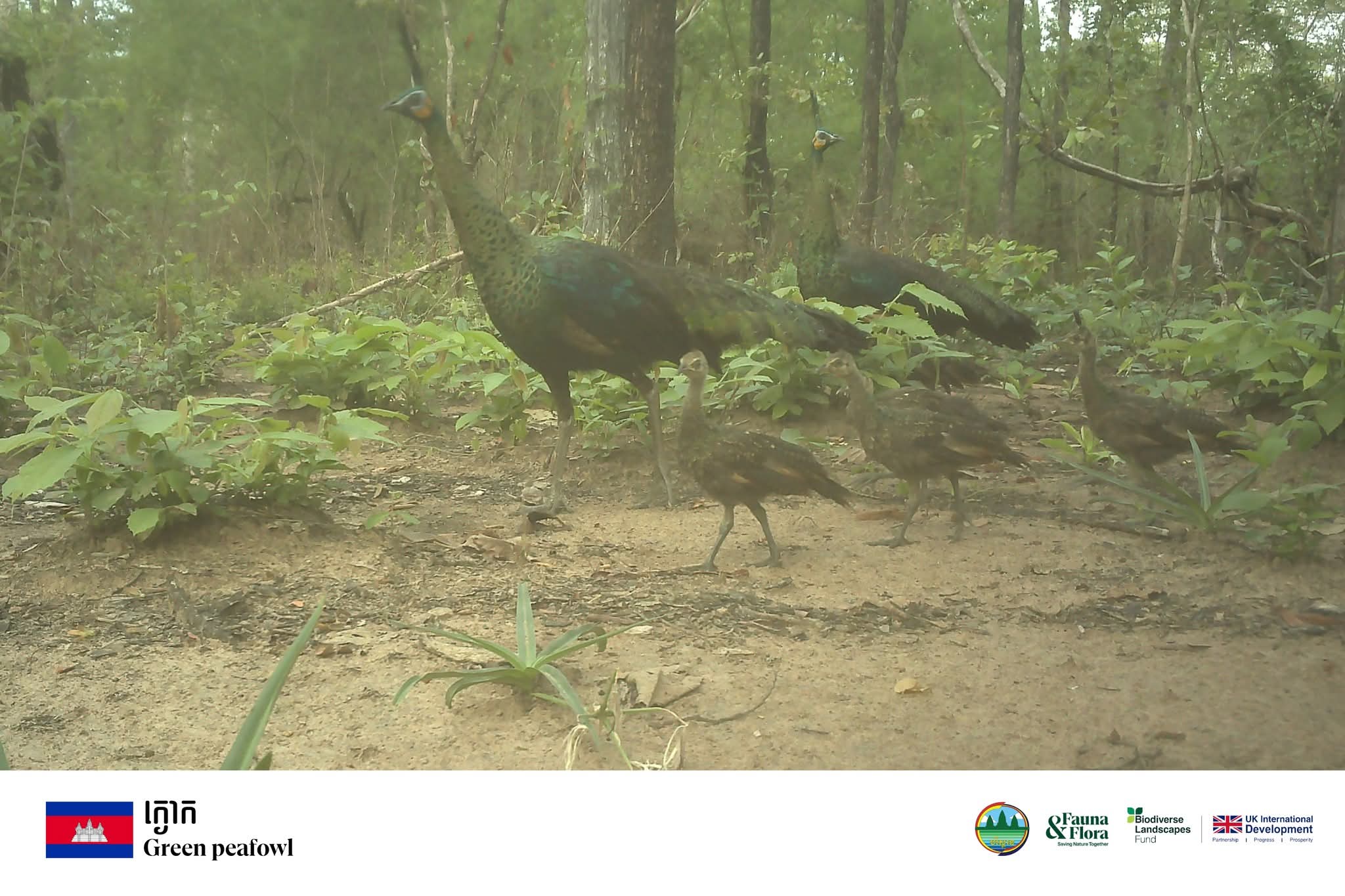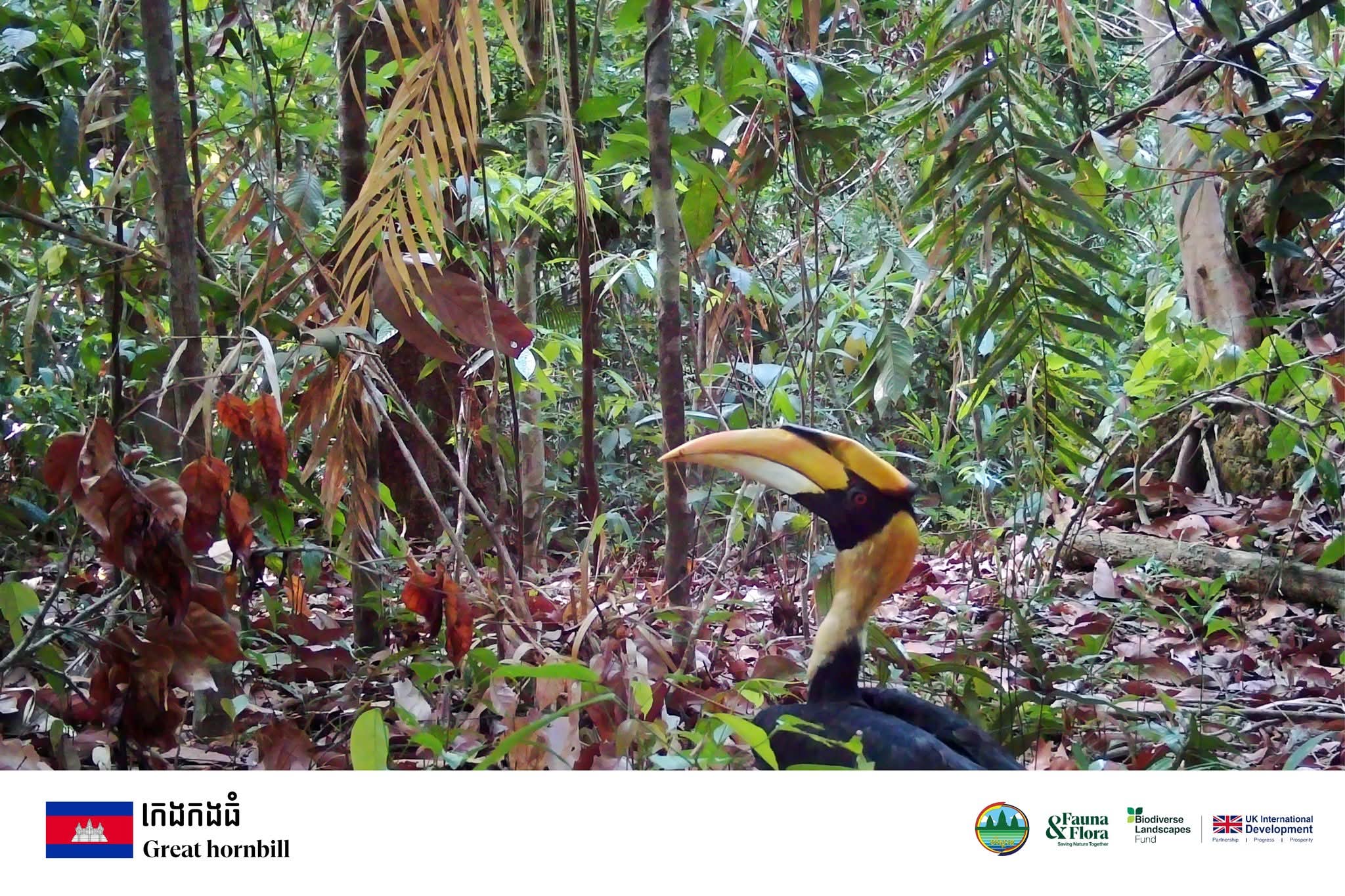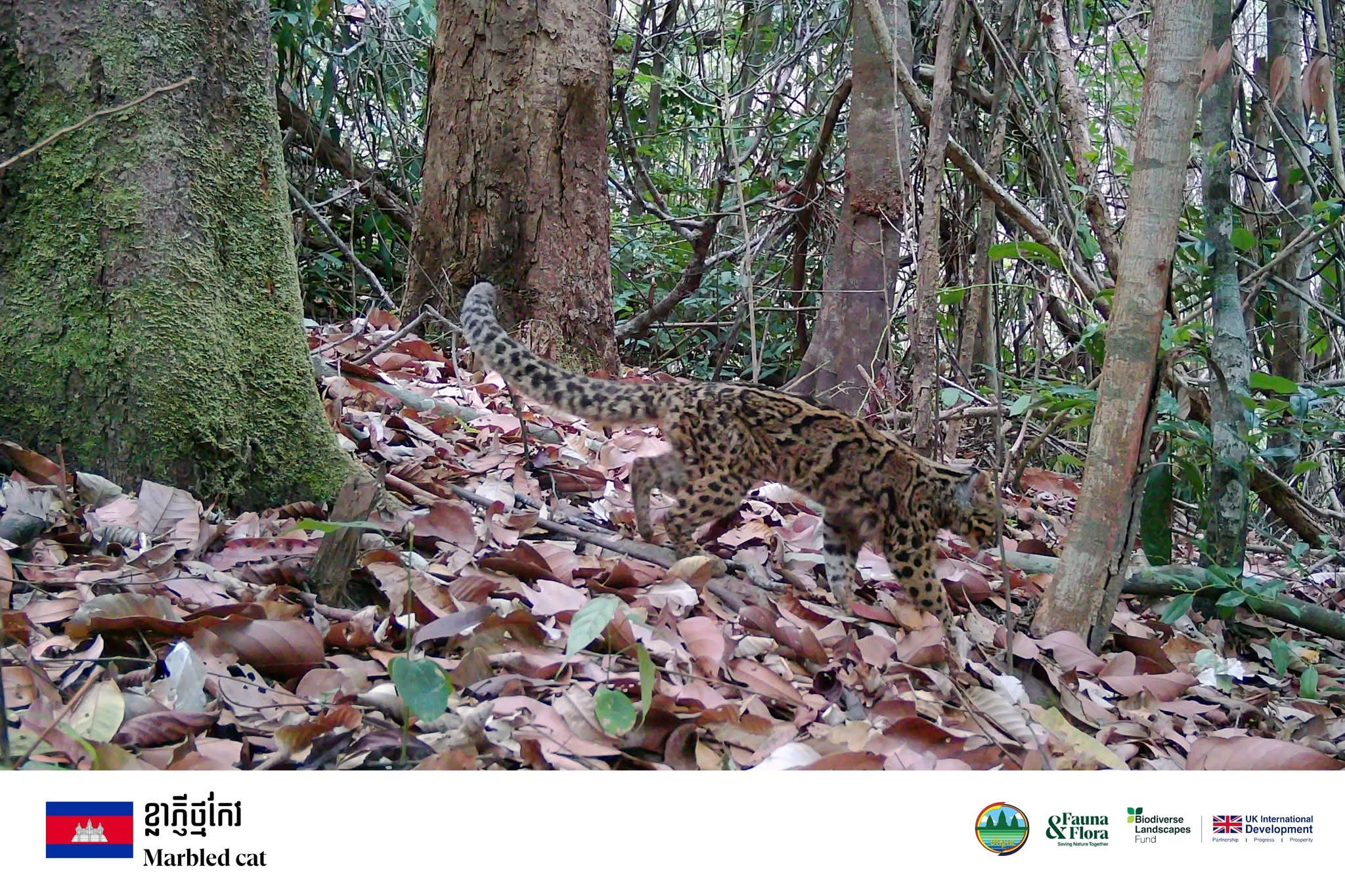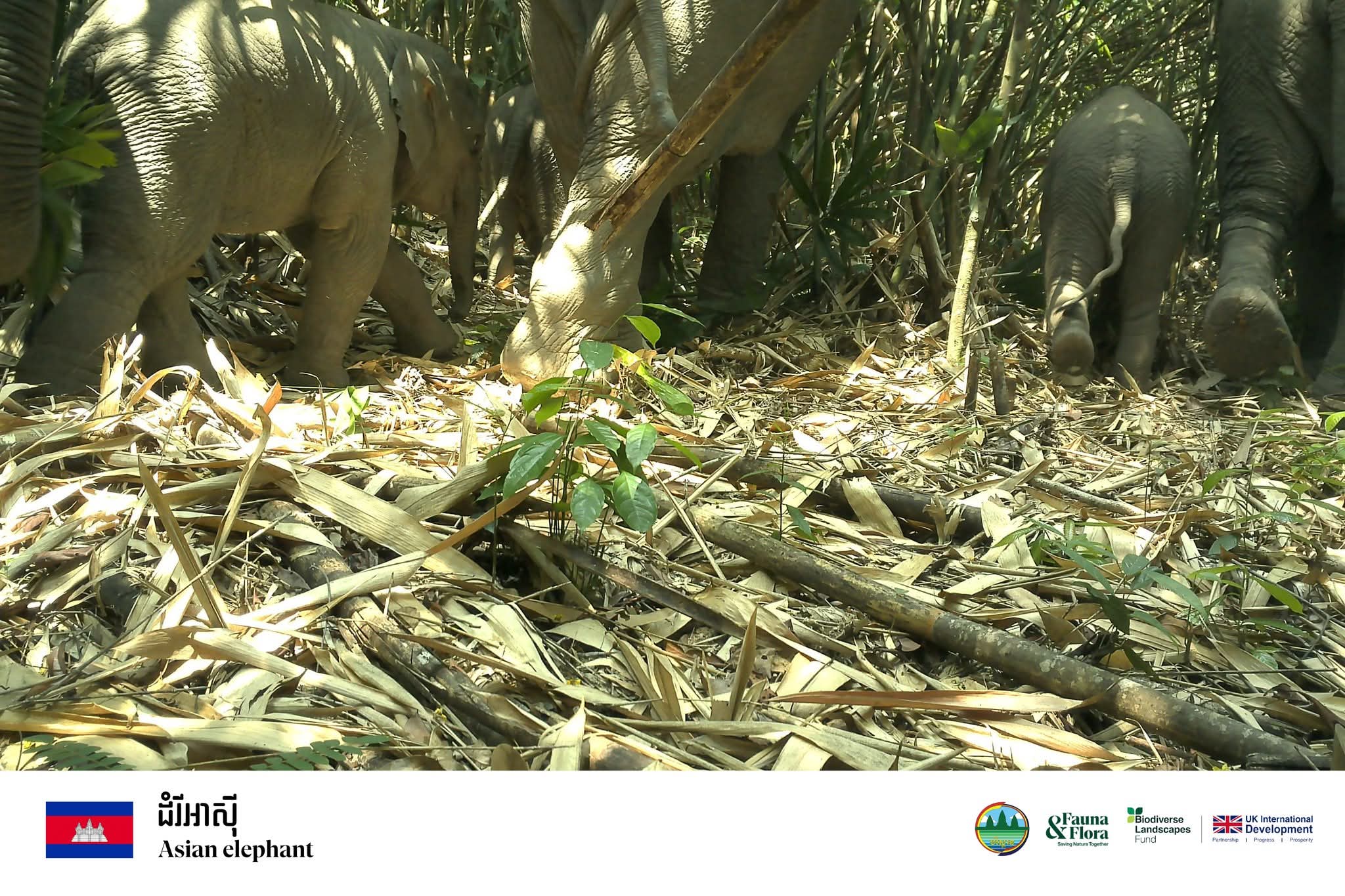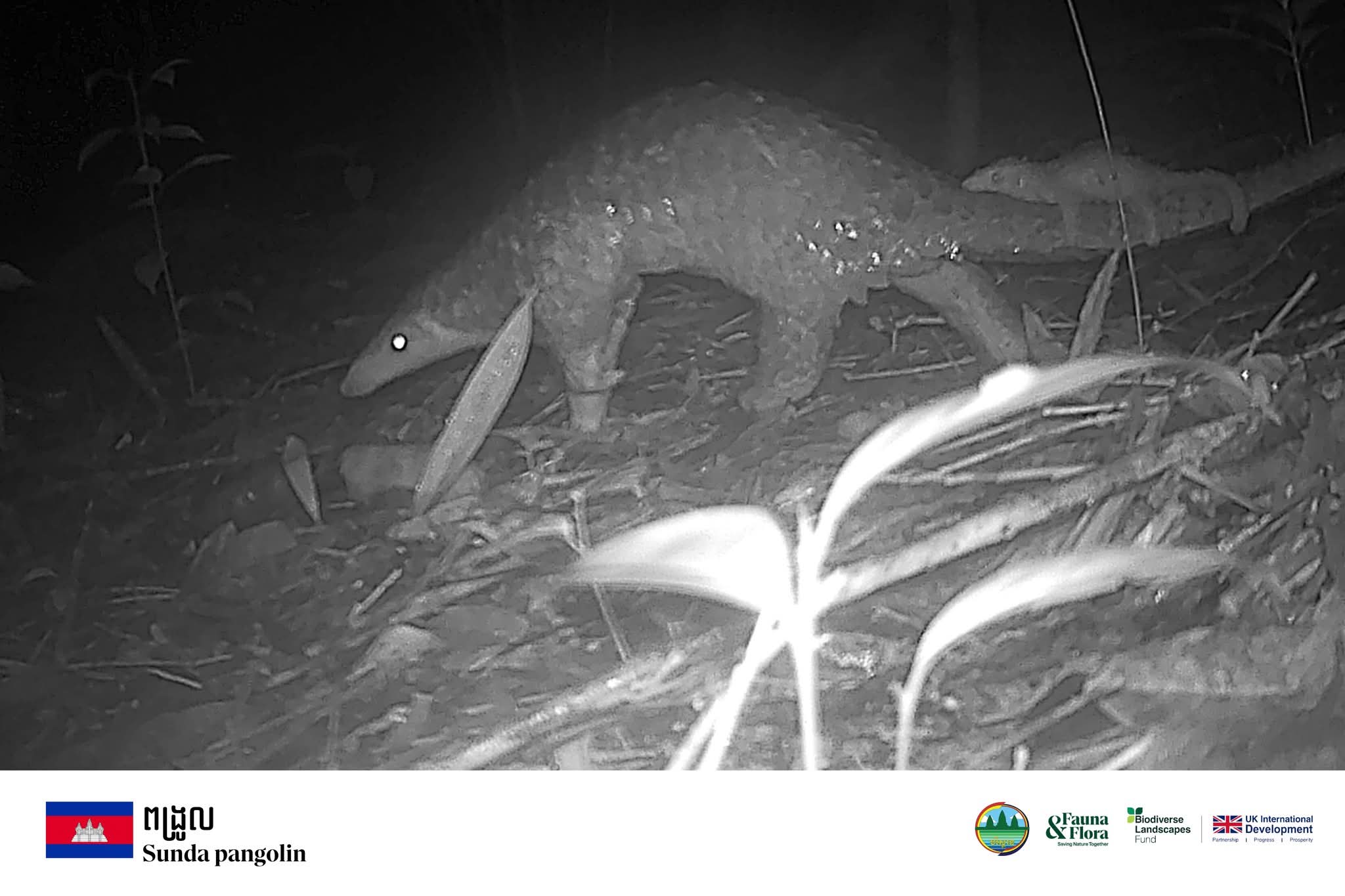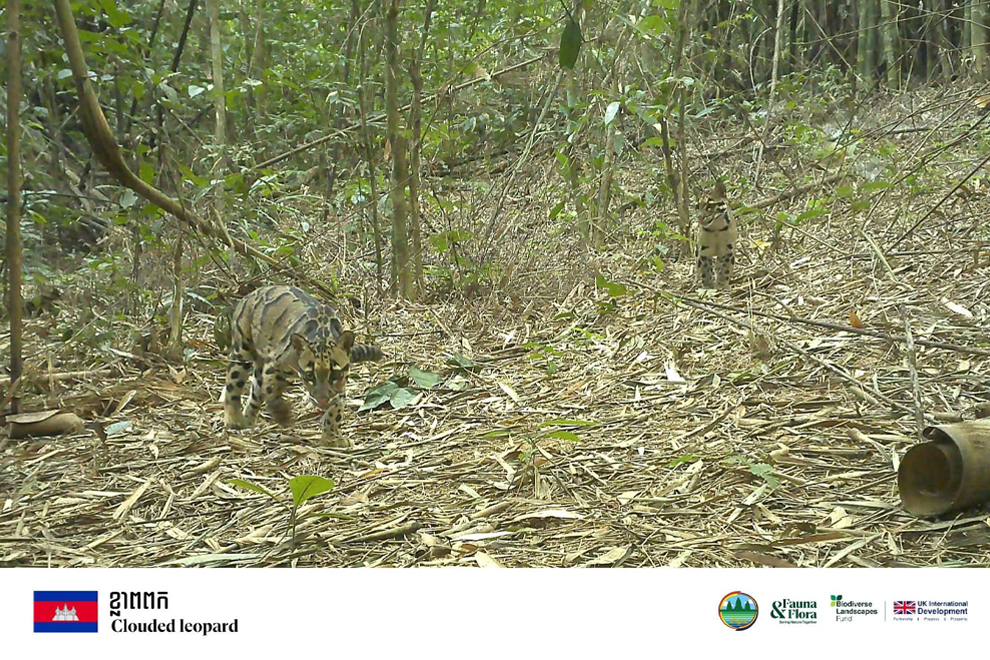
A camera-trap biodiversity survey conducted between January and August 2025 revealed the presence of remarkable diversity of 42 species in Ratanakkiri province’s Virachey National Park, including some species that are critically endangered globally.
The collaborative survey was conducted by Fauna & Flora – Cambodia Programme and the Ministry of Environment, with support from the provincial Department of Environment and participation from indigenous communities and local populations, revealing a remarkable diversity of rare and significant species.
A February 11 joint press release explained that a total of 42 species were recorded, including 32 mammal, 9 bird and one invertebrate species. Among them, two were classified as critically endangered, five as endangered and 13 as vulnerable. According to the release, video footage documenting a herd of Asian elephants in the forest provides compelling evidence of the high ecological integrity and suitability of the national park as a critical habitat for wildlife.
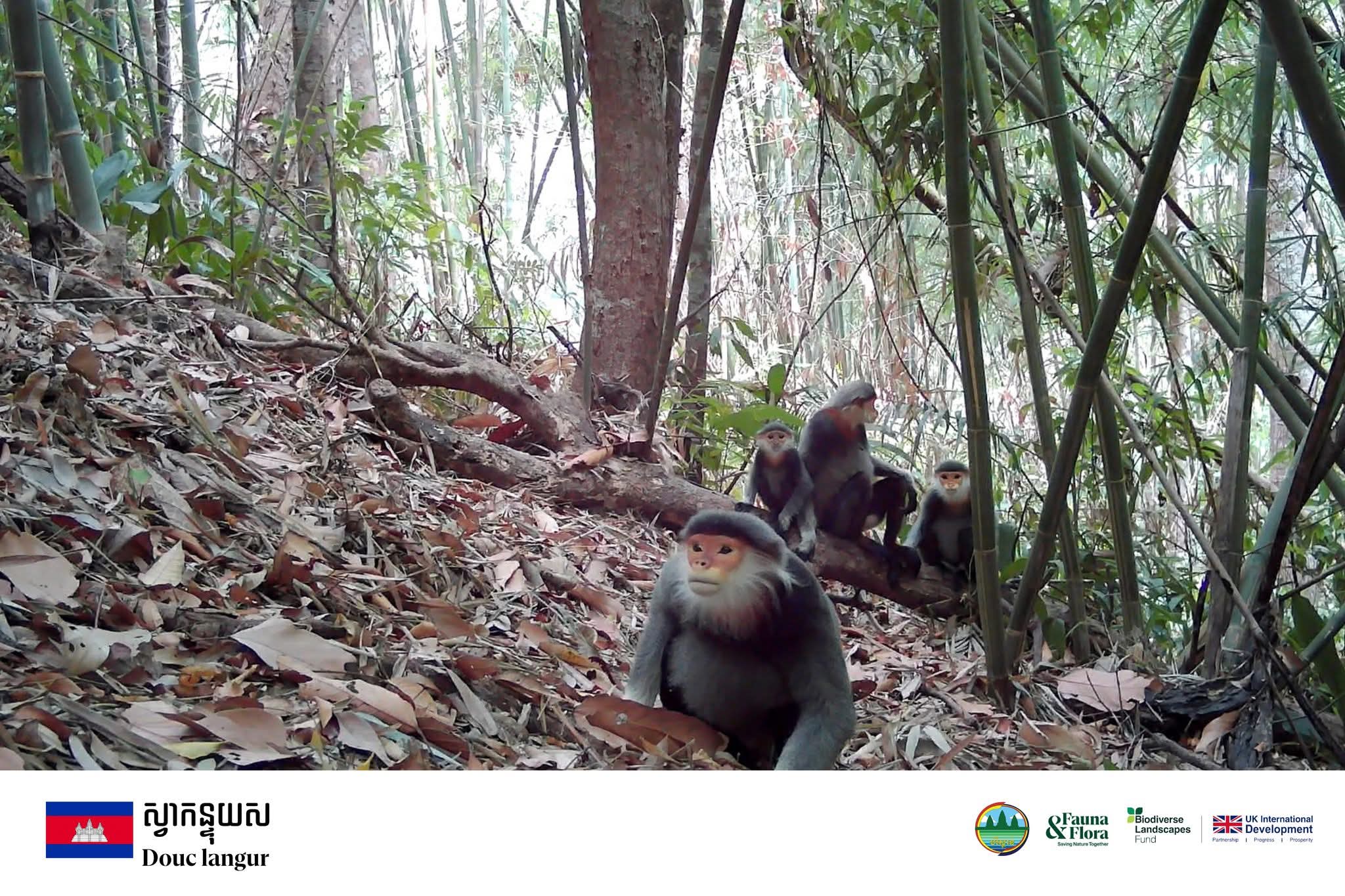

The key species identified in the survey include rare animals such as the Asian elephant, dhole, clouded leopard, Asian golden cat, great hornbill, marbled cat, Bengal slow loris, green peafowl, douc langur and the sunda pangolin, among others.
Khvay Atitya, environment spokesperson, noted that the park is a Cambodian treasure, home to a rich diversity of species.
“This survey provides invaluable knowledge that will guide our efforts to protect these forests and their wildlife, while also supporting the communities who depend on them,” he added.
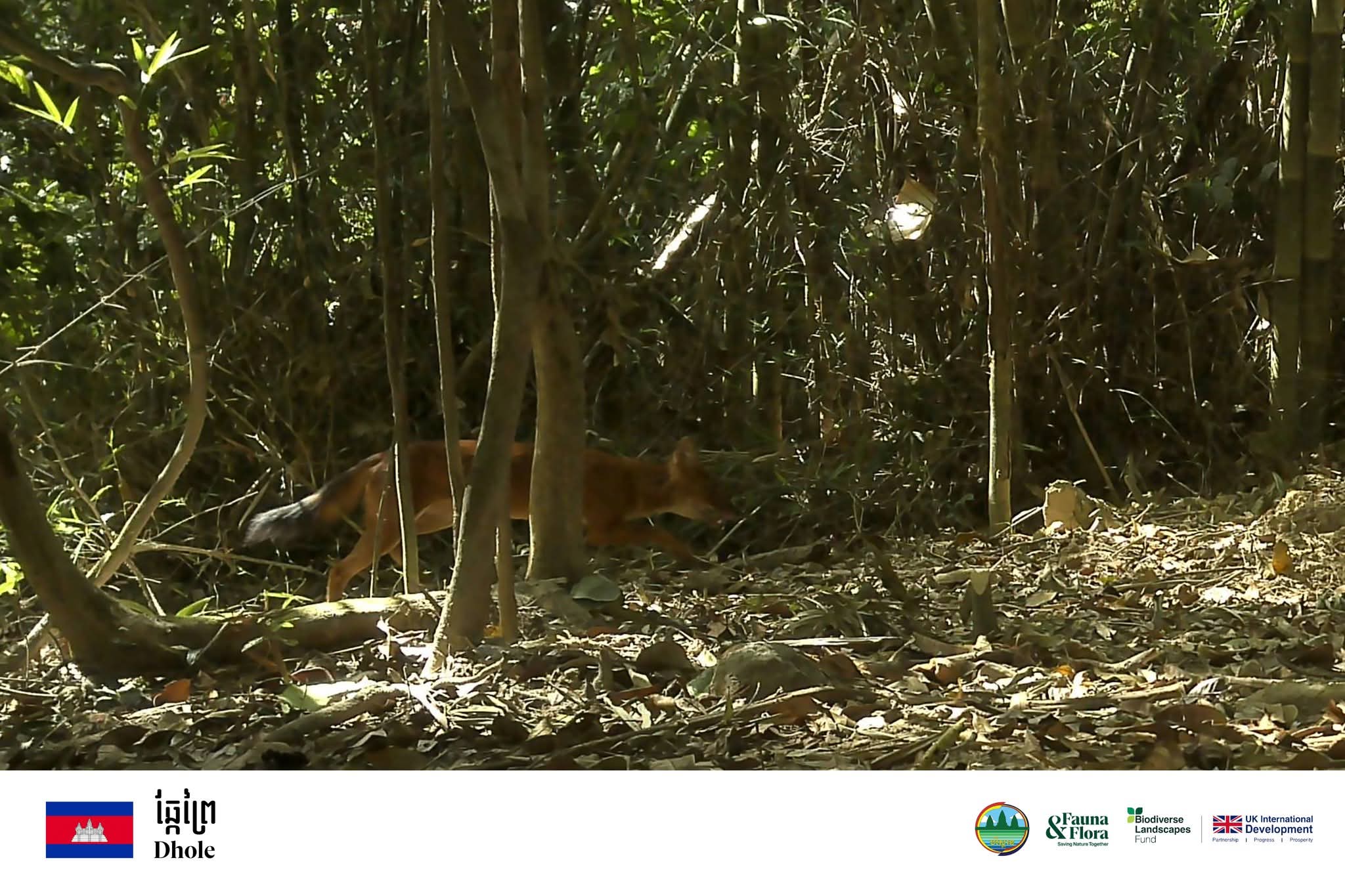
Vanny Lou, terrestrial programme manager, Fauna & Flora Cambodia Programme, said the park is alive with a host of incredible creatures, each playing a critical role in maintaining the forest ecosystems.
“This camera-trap data allows us to discover some of Virachey National Park’s rarest species while also gaining a better understanding of their behaviour, preferred habitats and interactions with human settlements,” he explained.
Virachey National Park, which is administered by the ministry, covers more than 400,000 hectares in Ratanakkiri and Stung Treng provinces.
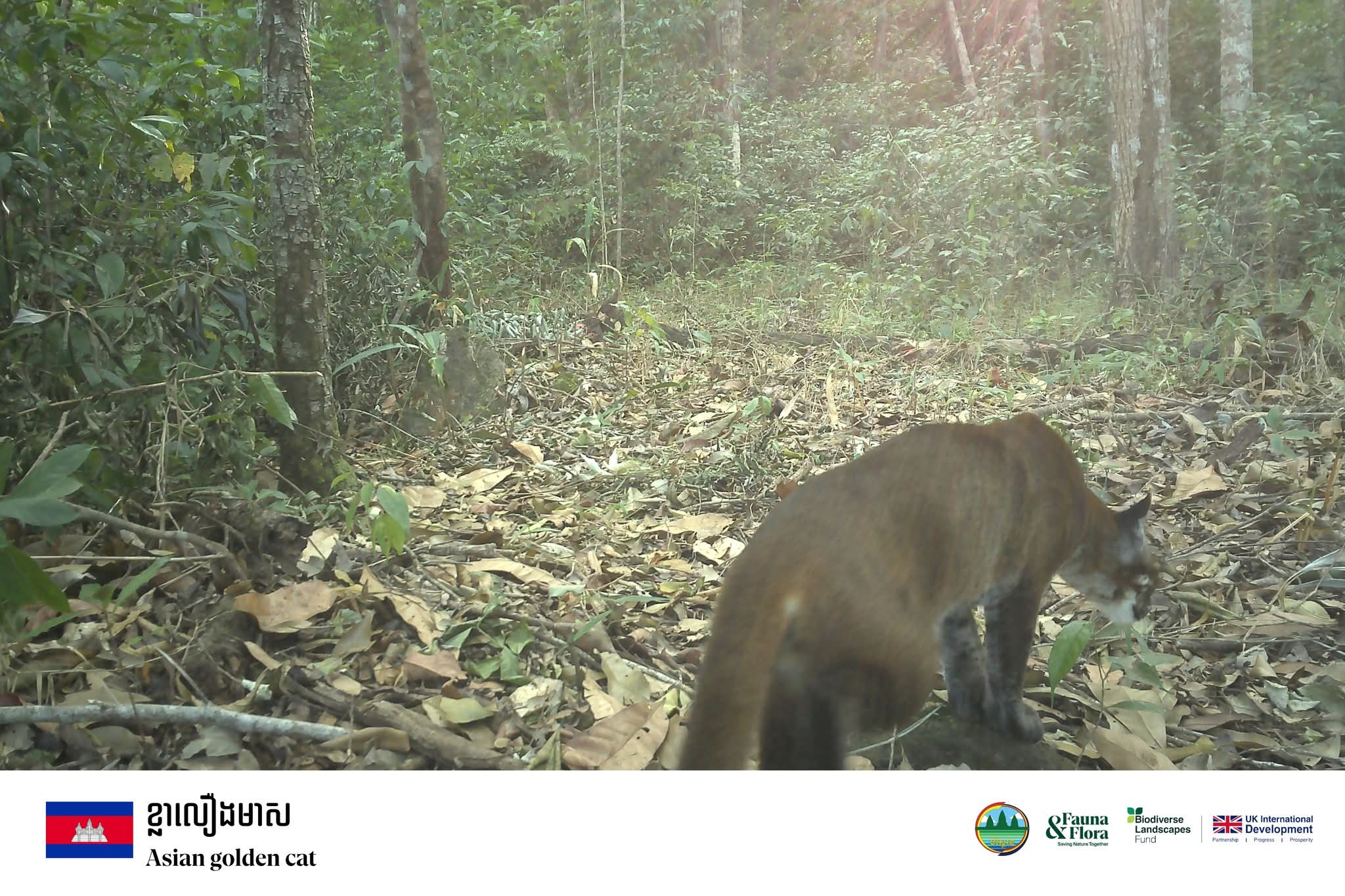
The goal of the survey was to strengthen conservation actions in the biodiversity hotspot, taking into account the needs of both wildlife and local communities. People living near this protected area can play a key role in effectively protecting wildlife, but they face their own set of challenges. Therefore, harmonising conservation goals with local development needs is not merely a social objective, but an ecological necessity for the survival of the region’s extraordinary biodiversity.
The activity was supported by the environment department, as well as the Food and Rural Affairs (DEFRA), via the Biodiverse Landscapes Fund (BLF).