A 20-nation delegation has committed to joint global efforts to restore 18 million hectares of land, which is expected to reduce greenhouse gas emissions by 145 million tonnes and benefit more than 3 million people.
The commitment came as Cambodia successfully hosted the inaugural Ecosystem Restoration Integrated Program (ERIP) Annual Conference, held in Siem Reap from September 1 to 4.
“With one-fifth of the planet’s land degraded — threatening food security, water supplies, biodiversity and climate stability — the conference is an important step in scaling up solutions to reverse this crisis,” said a September 4 joint press release.
Featured speakers at the conference included Mom Thany, Ministry of Environment secretary of state, whose opening remarks highlighted Cambodia’s leadership in advancing global restoration goals.
She noted that in Cambodia, the ERIP is a vital instrument to realize the ambitions of the Third Nationally Determined Contribution (NDC 3.0) and the Cambodia Climate Change Strategic Plan 2024-2033.
“Ecosystem restoration is central to achieving these outcomes, particularly through enhanced carbon sink functions in land use and forestry sectors,” she said.
“By connecting ERIP’s collaborative network with national strategies like the Circular Strategy and NDC 3.0, we can drive transformative action that safeguards biodiversity, strengthens climate resilience, and delivers lasting benefits for future generations,” she added.
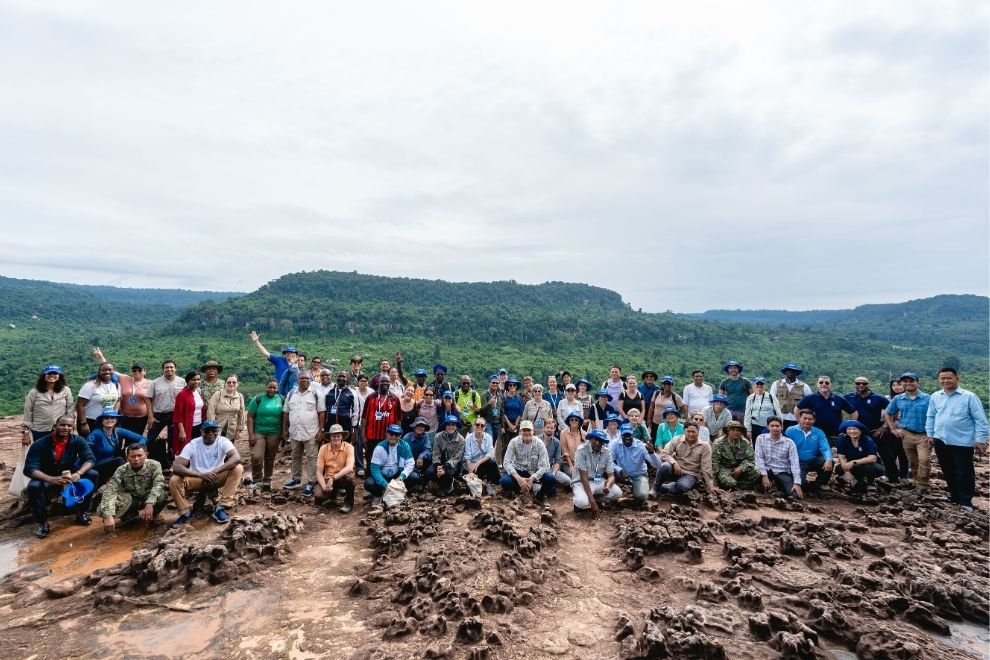
Organised by Conservation International, in partnership with UNDP Cambodia and the environment ministry, and supported by the Global Environment Facility (GEF), the four-day conference convened more than 80 participants from 20 countries across Africa, Asia, Latin America and the Caribbean. The delegates included government focal points, civil society leaders, scientists and international partners, each of them committed to scaling restoration at a pace that matches the urgency of the crisis.

The release explained that globally, ERIP is targeting the restoration of 1.8 million hectares of critical ecosystems, while improving management of another 700,000 hectares of terrestrial protected areas. Collectively, these actions are expected to mitigate 145 million metric tonnes of greenhouse gas emissions and benefit more than 3 million people who depend on healthy ecosystems for food, water and livelihoods.
The case for action is urgent: globally, 20 million square kilometres of land — an area larger than the entire continent of South America — faces degradation, undermining climate resilience and biodiversity.
By restoring ecosystems, countries can combat climate change by sequestering carbon and reducing greenhouse gas emissions, and protect biodiversity by conserving endangered species and habitats. They could also enhance water security by improving water quality and availability and boost local economies by creating jobs and supporting sustainable livelihoods.
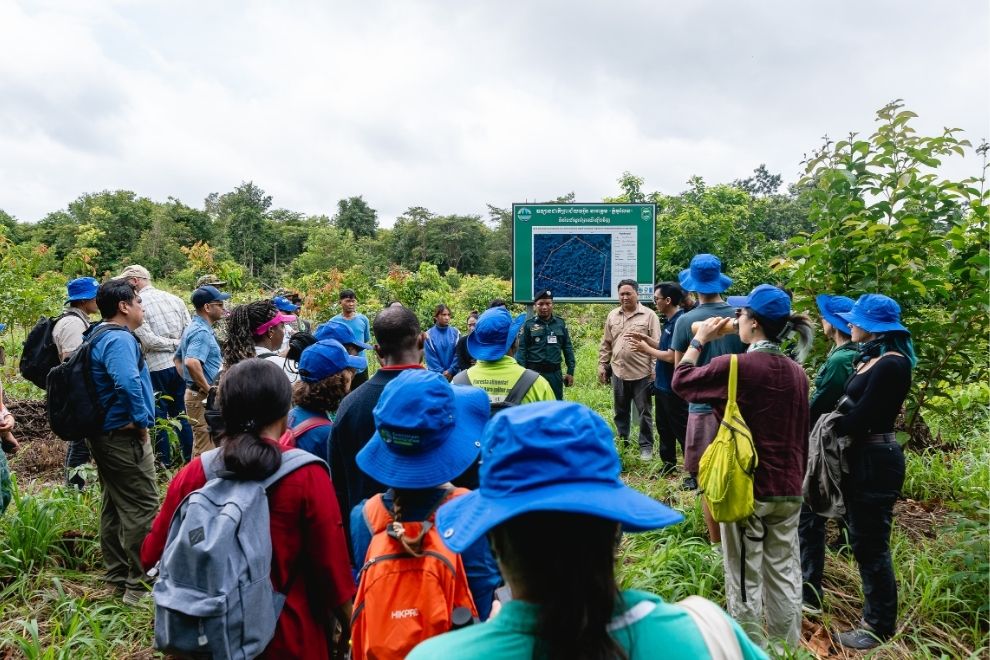
During the event, Cambodia showcased also its own ERIP country project, implemented by UNDP Cambodia in partnership with the environment ministry. Covering 255,000 hectares, the project is expected to mitigate 51 million metric tonnes of CO₂ equivalent while benefiting 32,000 people.
Restoration activities include community-led agroforestry, biodiversity corridor development and the use of Payment for Ecosystem Services (PES) schemes to support long-term sustainability.
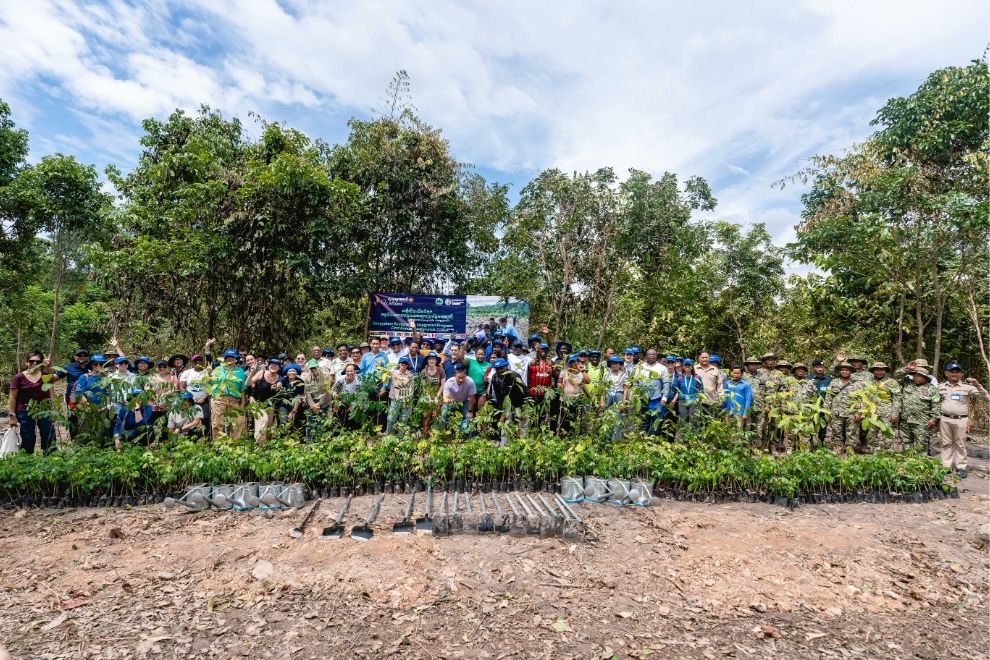
The participants visited restoration sites in Phnom Kulen National Park, where communities are working together with government agencies to restore degraded landscapes while safeguarding cultural heritage.
The conference marked the first time representatives from all 20 ERIP countries gathered in one place, creating a global platform for collaboration, exchange and shared problem-solving.
The Ecosystem Restoration Integrated Program is a six-year, $200 million initiative funded by the Global Environment Facility and led by Conservation International. It aims to restore 1.8 million hectares of ecosystems in 20 countries across Asia, Africa and Latin America.
ERIP’s mission is to restore degraded ecosystems to build a resilient future for people and the planet. By aligning with the UN Decade on Ecosystem Restoration, the programme supports global restoration commitments through policy, finance, capacity building and international cooperation.