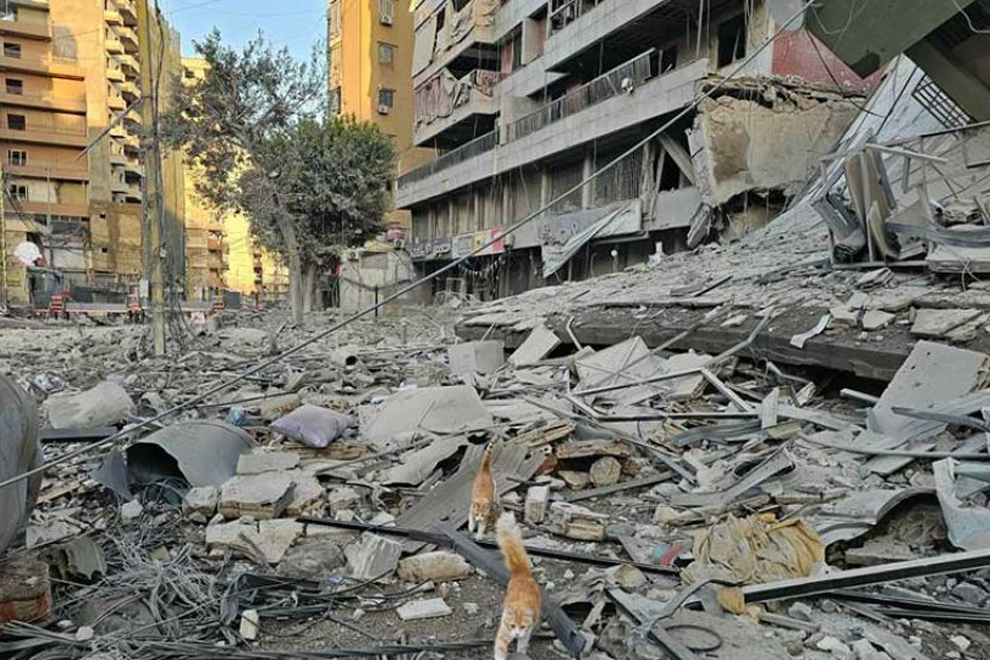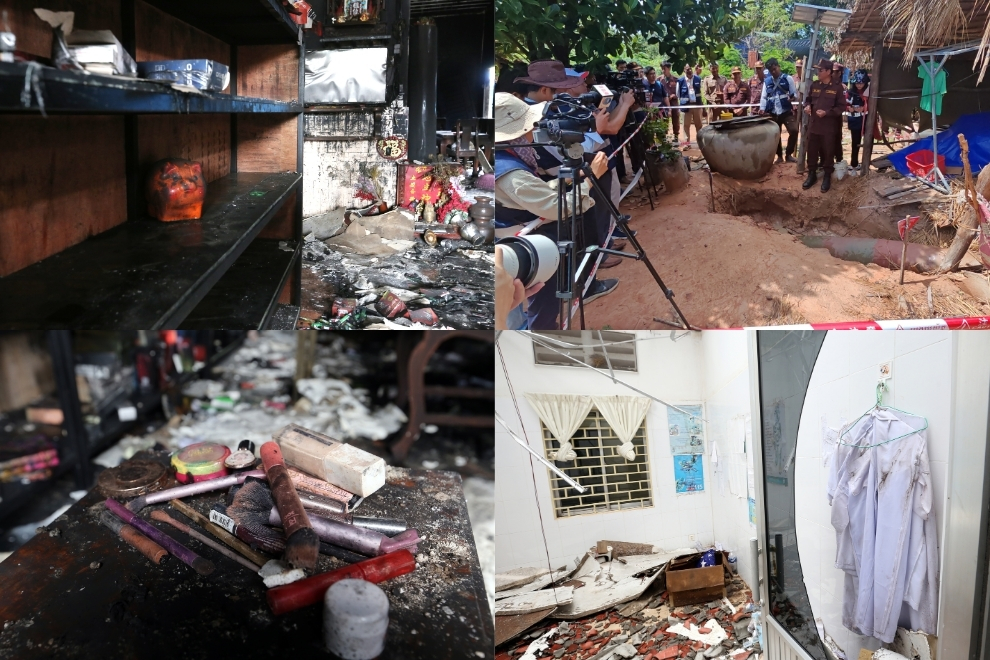
A bomb is relatively harmless when secured in military stockpiles but becomes a grave danger when dropped, especially in residential areas.
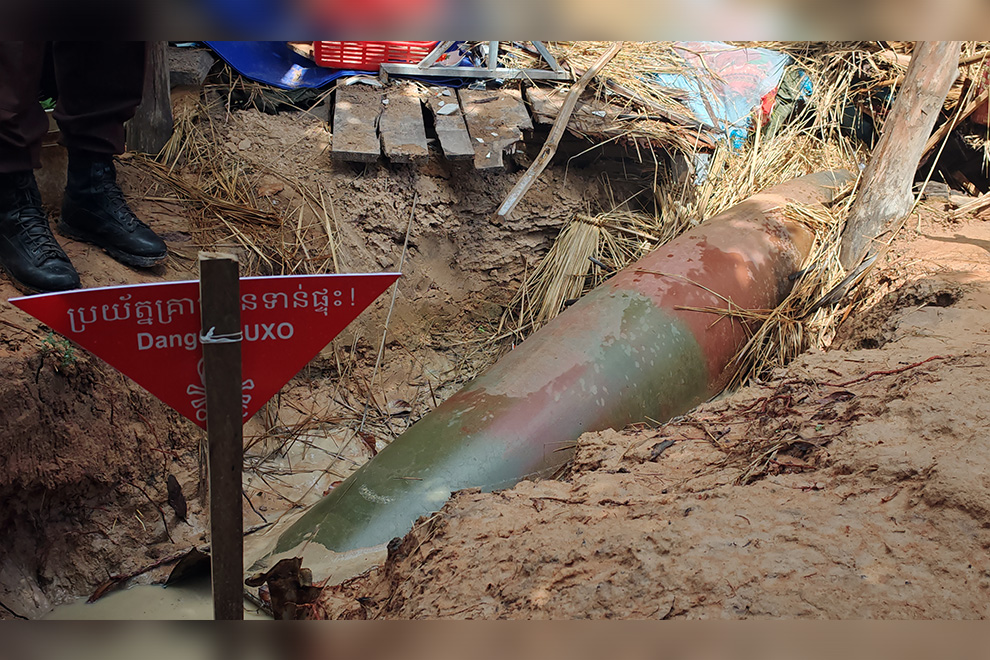
A single MK-84 bomb, weighing nearly one tonne, poses a threat far greater than any village should have to withstand.
Roughly the size of a large refrigerator but packed with 500 kilogrammes of explosives, one such weapon, dropped near Cambodian homes in Oddar Meanchey province, could have carved a crater deeper than a two-story house and wide enough to swallow several family yards if it had detonated.
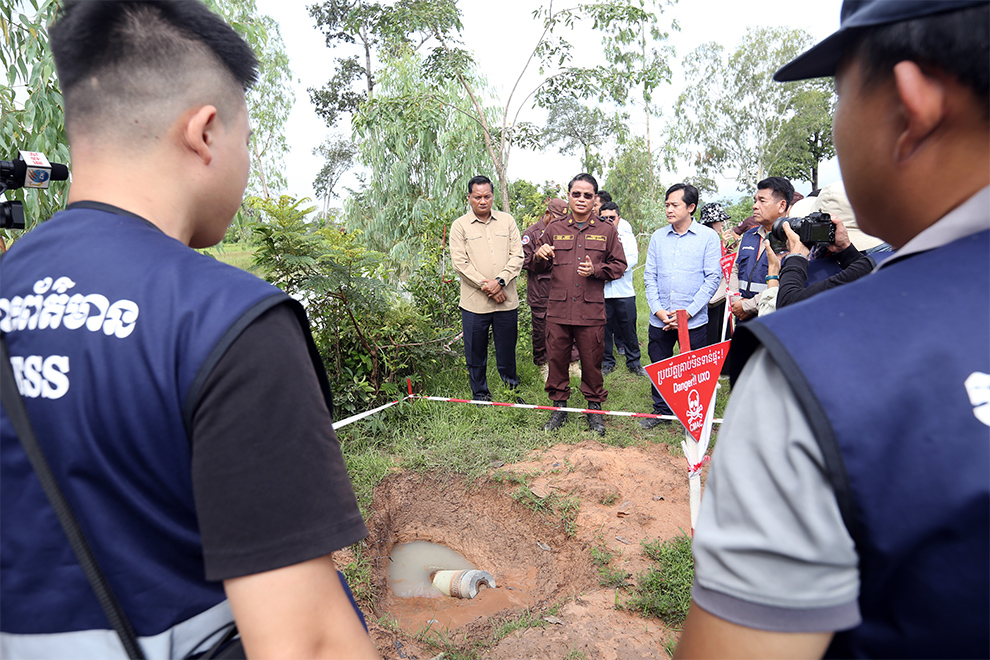

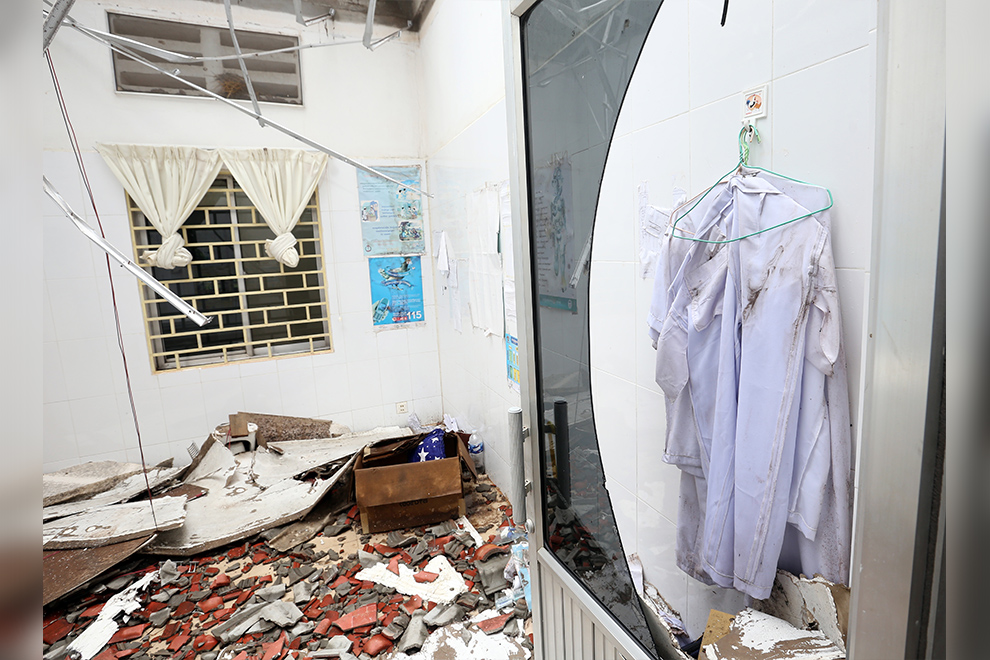
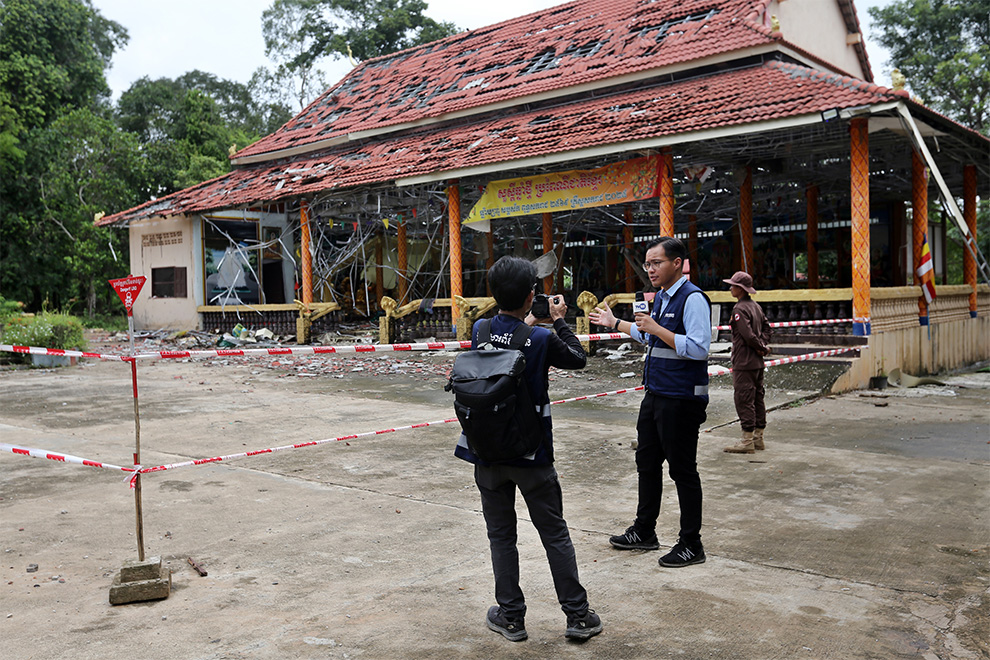
The Cambodia Mine Action Centre (CMAC) has confirmed that Thai forces deployed cluster munitions and dropped one of the largest conventional bombs in existence during the July 24–28 border clashes, leaving Cambodian villages at risk of unexploded ordnance for years to come.
Heng Ratana, director-general of CMAC, noted that 155mm artillery rounds containing cluster sub-munitions were fired into residential areas.
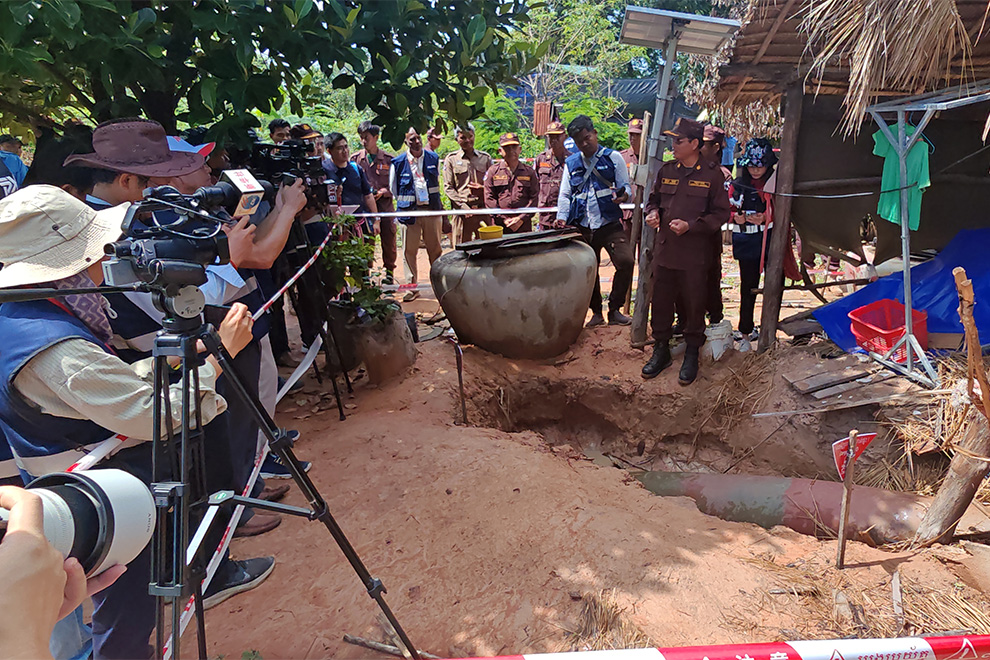
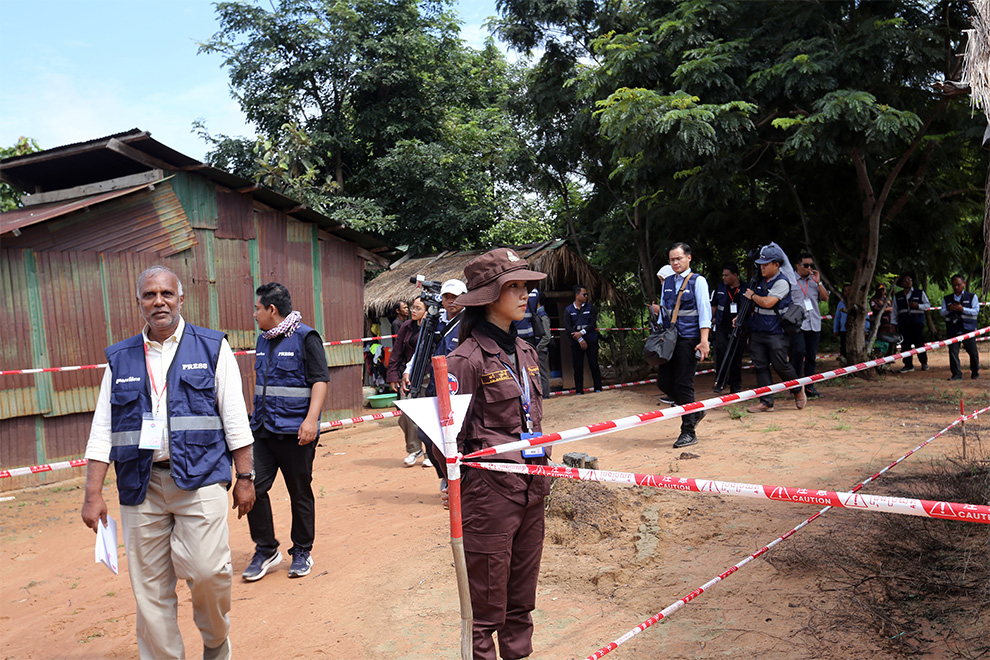
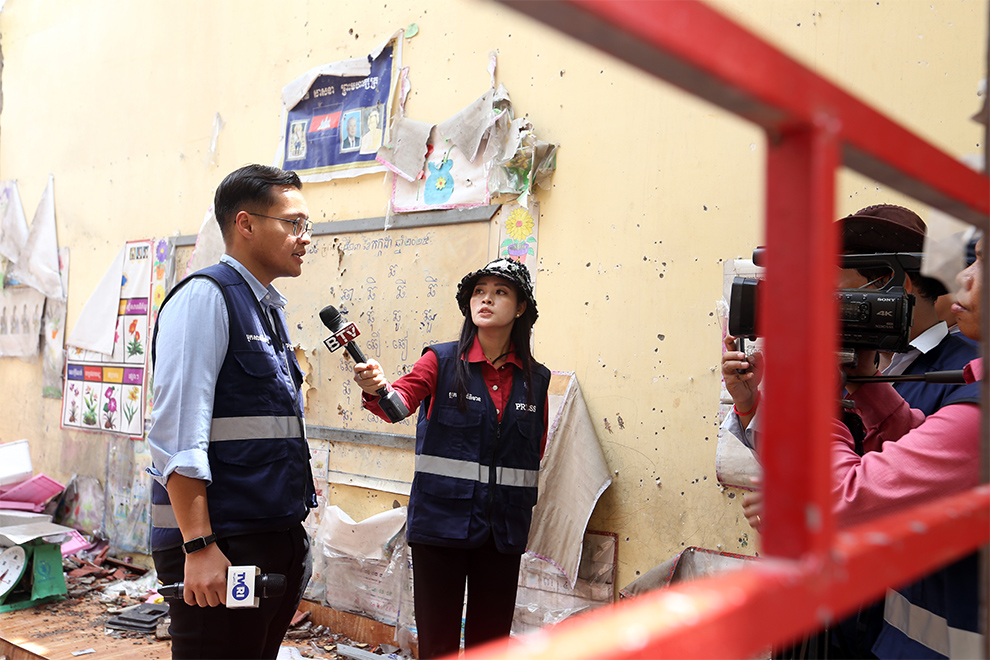
He explained the situation to a group of journalists from across Asia who visited the affected border areas in Oddar Meanchey and Banteay Meanchey provinces on August 29.
The visit was part of a regional workshop on “Safety and Risk Management in Conflict Reporting”, organised by Cambodia’s Ministry of Information from 28 to 30 August.
Ratana noted at the site that each 155mm cluster munition shell scatters more than 50 bomblets across the ground, many of which fail to explode on impact.
“One projectile alone can contaminate at least four hectares of land. The immediate effect covers 1.2 hectares,” Ratana explained, as the journalists visited Ph’ong village, Koun Kriel commune, in Samraong district.
“The major danger is that these sub-munitions can hang in trees or lie hidden in the soil. Strong winds or children playing nearby could trigger a deadly explosion,” he warned.
CMAC has identified two main types of sub-munitions used: the M-46, which disperses 56 bomblets, and the M-85, which carries up to 45 larger explosives.
Ratana noted that similar weapons were used by Thai forces during the 2008 clashes around Preah Vihear temple.
“They fired these weapons fired from about 40 kilometres inside Thailand. This site is only eight kilometres from the border, so the rounds likely struck many areas around the village,” he said.
Ratana also explained the effects of the white phosphorous artillery rounds fired by Thailand, noting that although deadly, the rounds are not considered chemical weapons.
“The direct effects of the toxic fumes include eye irritation, wheezing and difficulty breathing, and the long-term effects can cause cancer,” he noted.
One-tonne bomb dropped by F-16
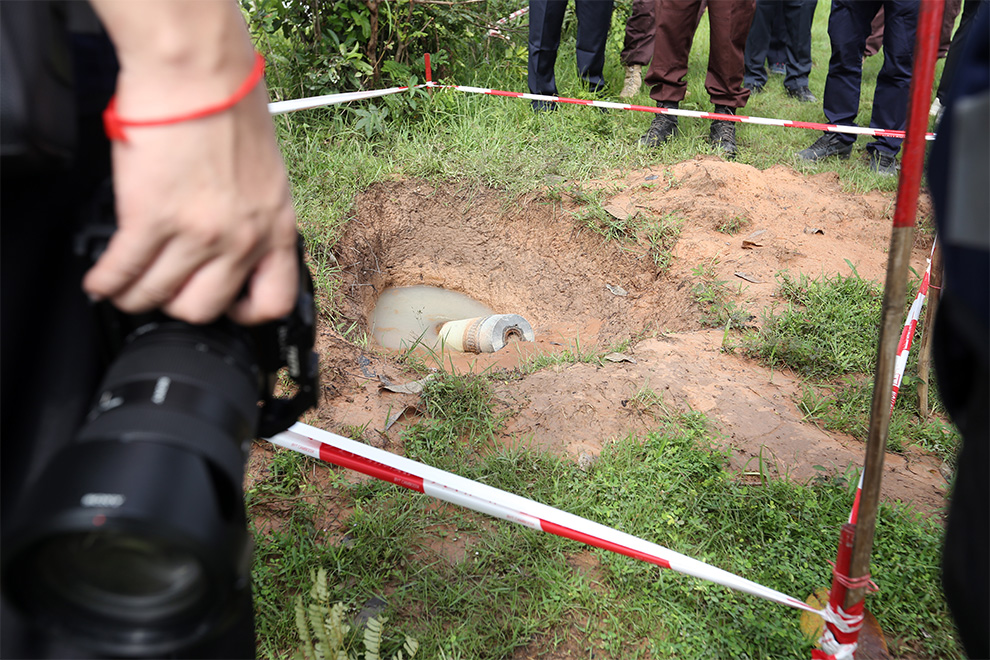
In addition to cluster munitions, Ratana briefed the visiting journalists on a 1,000-kilogramme MK-84 bomb that was dropped by a Thai F-16 fighter jet over Banteay Ampil district during the recent fighting.
The bomb failed to detonate and was later secured by CMAC specialists.
“The MK-84 is one of the biggest in the MK bomb family. If it had exploded, it could have created a crater eight metres deep and 17 metres wide,” Ratana said.
“This single bomb carried 500 kilogrammes of explosives. Its destructive power is enormous,” he added.
Thailand has denied using the bombs, claiming that any unexploded ordnance found in Cambodian territory is left over from the Indochina war of the 1970s.
But Ratana dismissed the claim, pointing out that the recovered MK-84 was manufactured in 1996.
“You cannot say this bomb is from the 1970s when it was made more than two decades later,” he stressed. “This is a cruel and blatant violation of Cambodia’s sovereignty,” he said.
During the clashes, CMAC identified the use of MK-84 and MK-82 bombs, including two dropped near Ta Mone Thom Temple.
He said the MK-84 likely struck a hard object before landing, losing its tail section in the process.
“It is safe enough to transport a few hundred metres, after which our team will neutralise it. We will cut the bomb open and steam out the explosive,” he said.
In this area, ten MK-84 bombs were dropped, of which only four exploded.
Ratana noted that in his 33 years of experience, only two of these large bombs had been found in the Kingdom, in Stung Treng. Similar bombs have been discovered in Vietnam and Laos, but in Cambodia only two have ever been found.
“We display one of these in Peace Museum in Siem Reap and another one at CMAC headquarters in Phnom Penh,” he said.
“We hope that this will become a good souvenir for people to see, especially Thai visitors,” he added.
Thousands of bombs to clear
According to CMAC records, at least 1,549 bombs were dropped on Oddar Meanchey province during the five days of fighting. While many exploded, hundreds remain buried or scattered across farmland and villages.
“Our teams have already identified 20 unexploded bombs in this province, and there are more than 1,500 still to go,” Ratana said.
“The clearance operation will take years,” he added.
CMAC teams are now deploying heavy demining machinery in the affected zones to reduce the risk to manual deminers.
Ratana said the work is urgent, as farmers and children in the border villages face daily threats from hidden explosives.
Humanitarian concern
With cluster bomblets littering fields and forests, simple tasks such as farming, collecting firewood, or walking to school can be deadly.
“This is not just a military issue — it is a humanitarian crisis,” Ratana warned.
“Unexploded bombs don’t choose their victims. They will remain a danger for years unless we remove them,” he added.