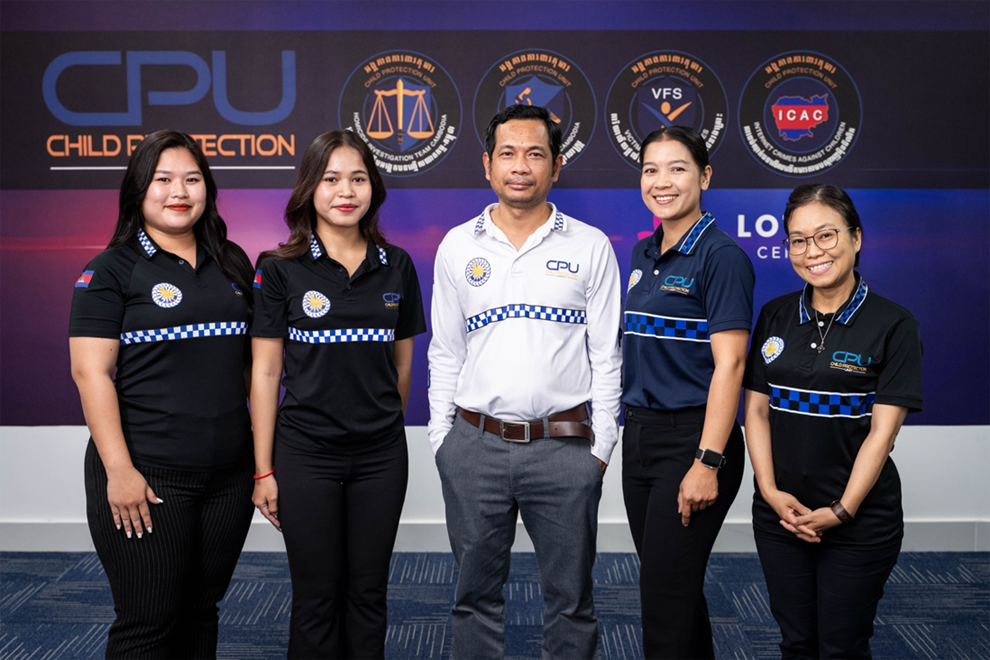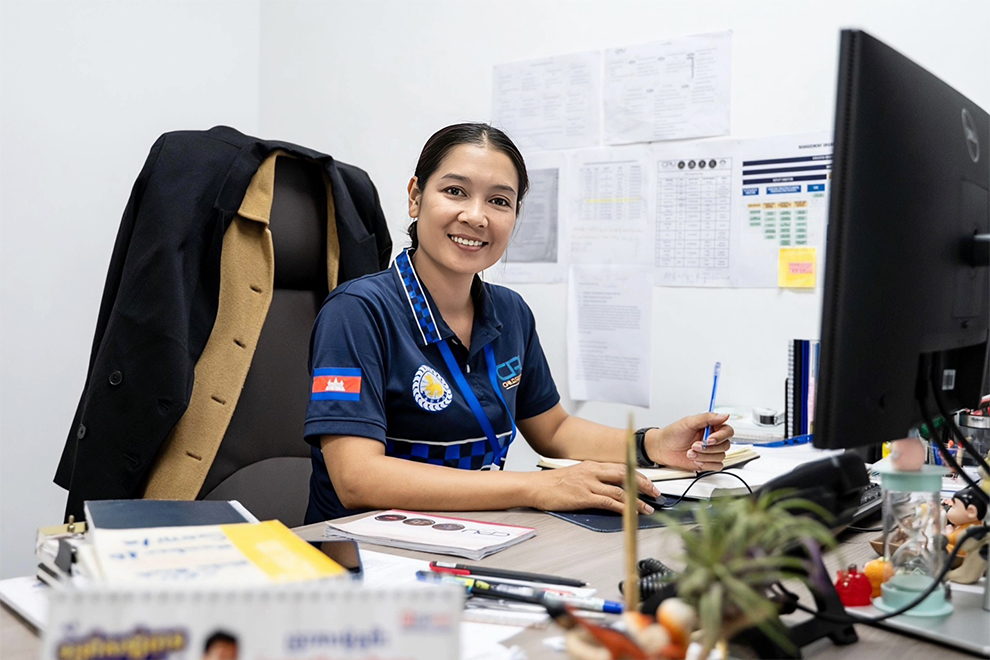
As Cambodia prepares to mark International Women’s Day on March 8, the role of female investigators, welfare officers and medical professionals at the Child Protection Unit (CPU) on the frontline of efforts to investigate crimes against children and support victims seeking justice has been highlighted.
The unit, which works in partnership with the Cambodian National Police, reported handling 335 cases of serious crimes against children last year, ranging from sexual abuse to murder.
Much of the work — from attending crime scenes to providing medical care and long-term support for victims — is carried out by women officers and specialists.
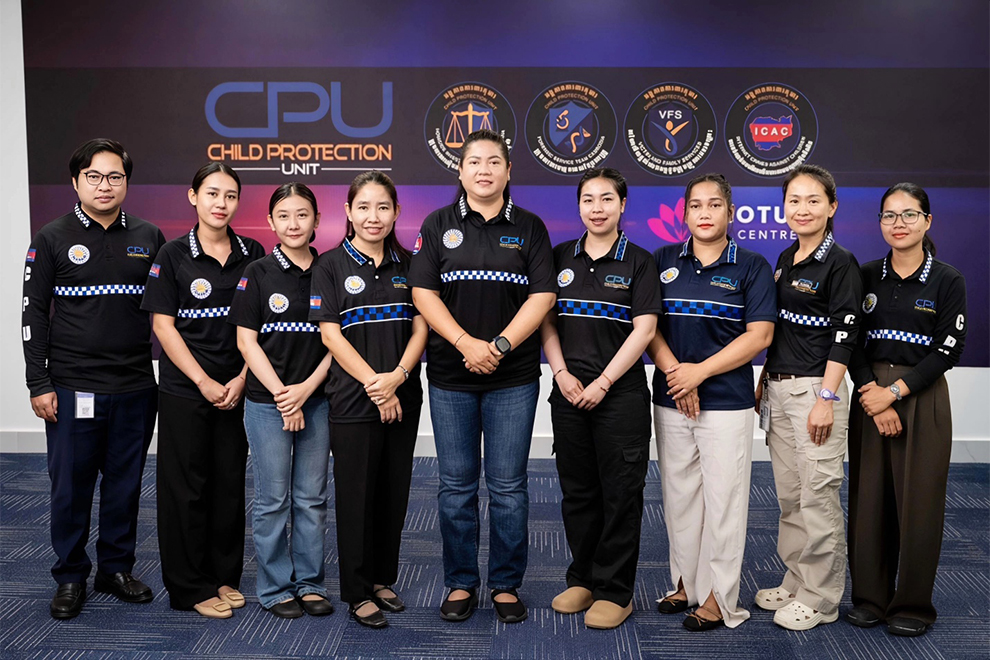
Established in 2013, the CPU has become a key institution in Cambodia’s child protection system, combining criminal investigations with welfare services and medical care for children and their families.
Among those leading the work is Som Vathna, 42, one of the unit’s earliest staff members who has spent nearly 13 years investigating crimes against children. Her work has taken her from crime scenes to counselling sessions with victims and families.

“I prioritise helping the victim without thinking of the impact on my emotions or my safety. My sole aim is to find justice for the child and their family,” she explained.
She was the first woman at the CPU to interview victims directly, helping children recount traumatic experiences as part of criminal investigations.
Now serving as assistant director of child protection services, she oversees the unit’s protection team and coordinates with government ministries and authorities.
In 2024, Vathna was awarded the Knight Grand Cross of the Royal Order of Cambodia by Norodom Sihamoni, in recognition of her work supporting child victims and their families.
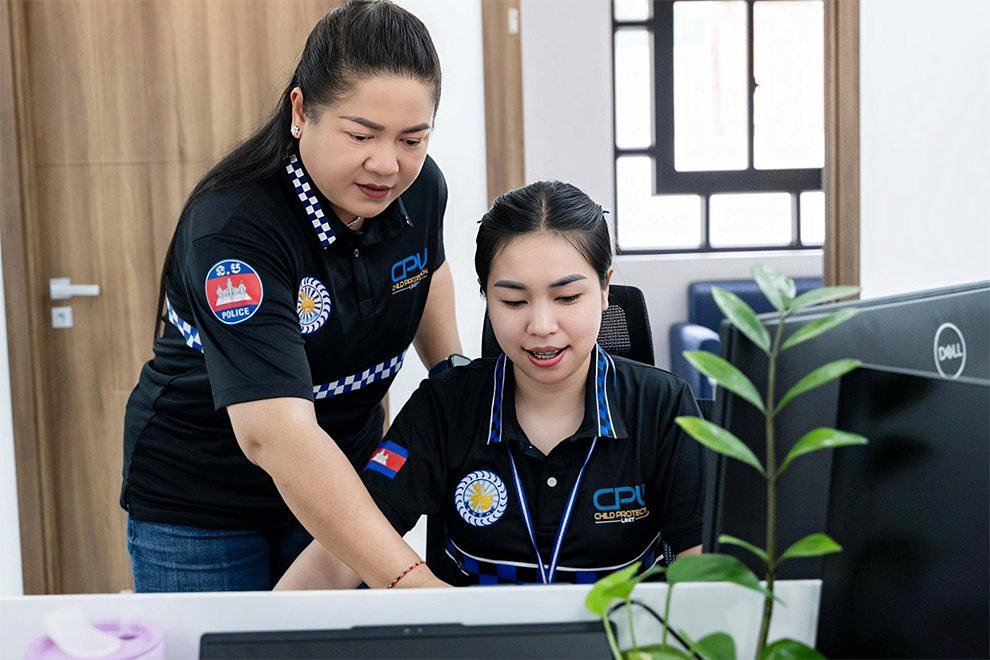
Another frontline officer, Chheang Leap, 43, leads a team of child protection officers and has worked with the CPU since 2014.
Her role includes interviewing victims, accompanying them to hospitals and guiding her team through investigations.
“It’s work with purpose and with heart,” Leap said.
“It’s very challenging to do such work, but it’s important work. Somebody has to protect the children and provide justice for them,” she added.
As a mother of two, she said empathy often shapes how she approaches victims and their families.
“When I deal with a victim, I use this empathy, and as a mum, I know how much the mother of the victim loves her child,” she said.
The CPU’s work extends beyond investigations. Noun Sonita, 40, manages welfare and aftercare services for children affected by abuse, ensuring victims and their families receive medical treatment, financial support, counselling and educational opportunities.
“I fight so hard for every child,” Sonita said. “It’s very sad when the mother of a victim feels so much pain. We tell the victim’s mother to be strong so she can look after the child.”
Sonita’s journey reflects the opportunities created within the organisation. Raised in a poor family in Kandal province, she joined the CPU as a cleaner before eventually becoming a child protection officer and later leading welfare services.
“Hearing the victims’ stories can be very painful,” she said. “Some of the victims come from villages not very different from where I came from.”
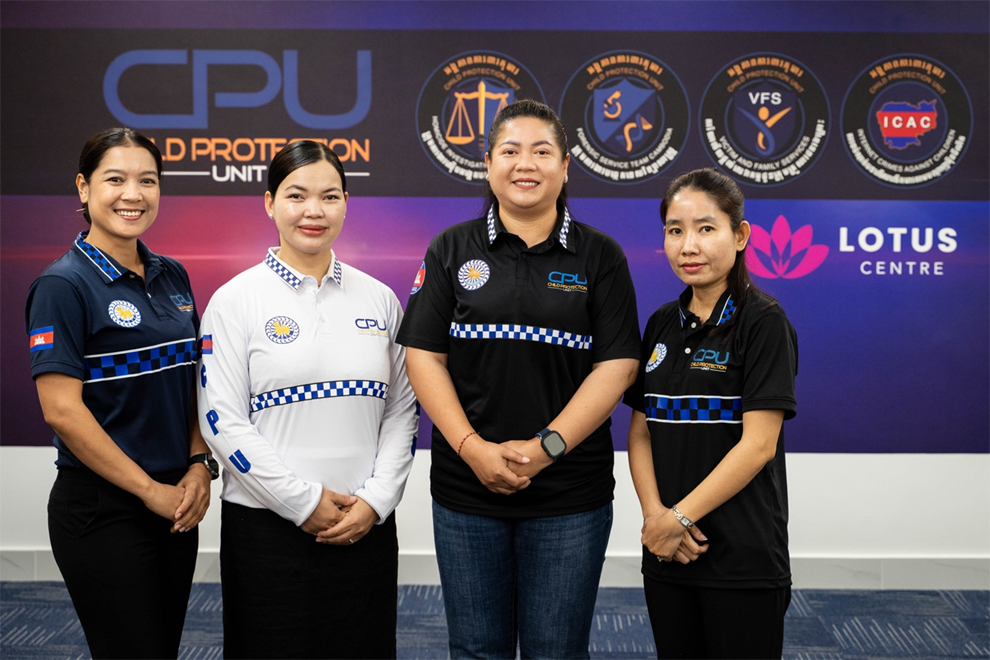
Medical care also forms a crucial part of the unit’s work. Dr Lin Nova, 38, the CPU’s manager of clinical medical services, provides forensic examinations and mental health care to child victims.
“We help children who cannot help themselves — mostly poor children who have no one to fight for them,” she said.
Dr Nova is also involved in training Cambodian doctors in forensic examinations for children who have experienced sexual abuse, aiming to ensure victims across the country receive professional and sensitive medical care.
The women are based at the CPU’s new headquarters, the Lotus Centre, located in Takhmao city in Kandal province near the capital.
CPU officers say the work often requires them to respond to emergencies at any hour, attend crime scenes and remain closely involved with victims and families throughout investigations and recovery.
“This work teaches us strength and resilience,” Vathna said. “Every case is a lesson, and every child we help is a victory for justice.”