In a world where conflict too often leads to escalation and aggression, Cambodia has chosen a different path — one grounded in diplomacy, law and restraint. Amid rising tensions with Thailand earlier this year, the Cambodian government refused to be dragged into retaliation. Instead, it placed its trust in international law and multilateral cooperation, showing the kind of steady leadership that is too rare in today’s divided world.
This commitment to peace did not begin overnight. For decades, under the leadership of former Prime Minister Hun Sen, Cambodia promoted dialogue and international cooperation as the foundation of its foreign policy. Hun Sen, himself a former soldier who witnessed the cost of war firsthand, worked to rebuild Cambodia’s global standing through peaceful means. His son, Prime Minister Hun Manet, has carried that vision forward with fresh energy and global engagement. Together, they represent a continuity of values that puts peace above pride.
When border clashes reignited fears of regional instability, Manet responded not with threats, but by appealing to the International Court of Justice (ICJ) and inviting third-party mediation. Cambodia made it clear that it would not allow historical grievances or political provocation to dictate its actions. The country’s message was simple but powerful: dialogue matters, and peace is always worth pursuing.
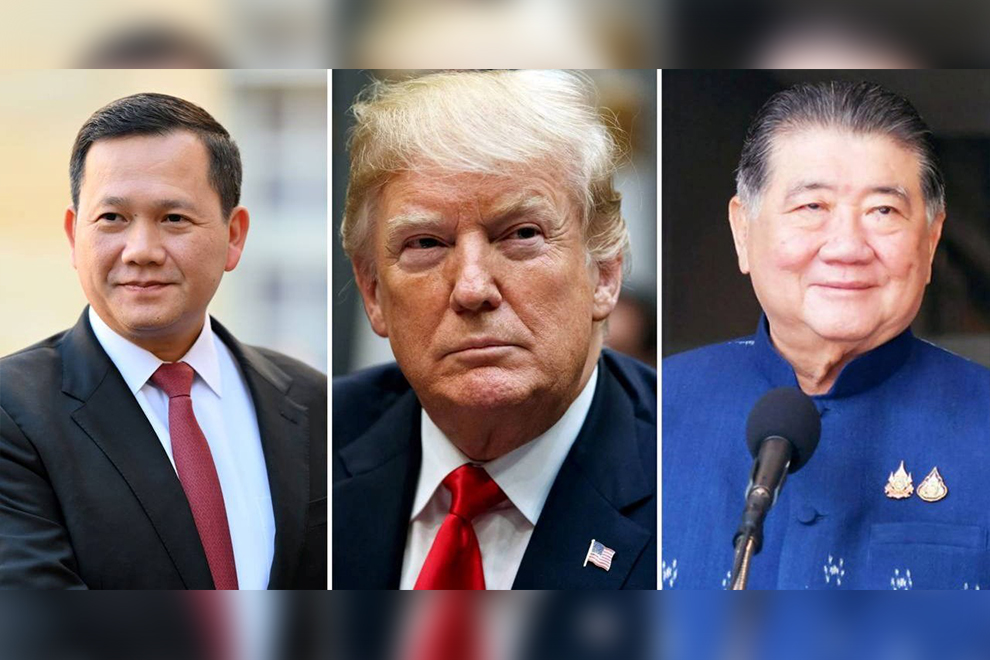
In sharp contrast, Thailand resisted international mediation. Even when a ceasefire was facilitated by US President Donald Trump, with strong support from China and coordination from Malaysia, Cambodia immediately welcomed the agreement. Thai leaders, however, reacted with hesitation, and dissatisfaction with the deal emerged among its population. Cambodia, by contrast, showed unity and gratitude — offering thanks to President Trump, China and Malaysia for their roles in supporting peace.
In a powerful gesture, Manet formally nominated Trump for the Nobel Peace Prize, recognising his efforts to prevent further escalation. Trump later sent a personal diplomatic letter to Manet, praising Cambodia’s commitment to peace and thanking him for the nomination. This exchange not only affirmed Cambodia’s role in keeping the peace but also highlighted growing respect between the two nations.
Cambodia’s conduct during this crisis offers a model for responsible leadership in times of conflict. True strength, as Cambodia demonstrated, lies not in military might — but in moral clarity and long-term vision. Choosing peace when war seems easier is not weakness; it’s wisdom. By putting people before politics and law before aggression, Cambodia set an example for the region — and the world.
The international community played a vital role in supporting the peace effort. But what held it together was Cambodia’s quiet, principled diplomacy. Phnom Penh did not waver, even as others pulled back. This consistency is what gave the ceasefire credibility and opened the door for future talks.
At a time when ego and nationalism often dominate headlines, Cambodia’s response stands out. It reminds us that diplomacy still matters. That international law can work. And that peace is not just an ideal — it’s a choice leaders must be willing to make.
Cambodia believes in peace, not war. That belief — tested in a moment of real danger — has not only helped prevent further conflict but has strengthened Cambodia’s voice on the global stage. At a time when the world urgently needs examples of thoughtful, ethical leadership, Cambodia has shown what’s possible when a nation leads with principle, patience and quiet strength.
Neang Sopheap is a Phnom Penh-based independent journalist. The views and opinions expressed are his own.