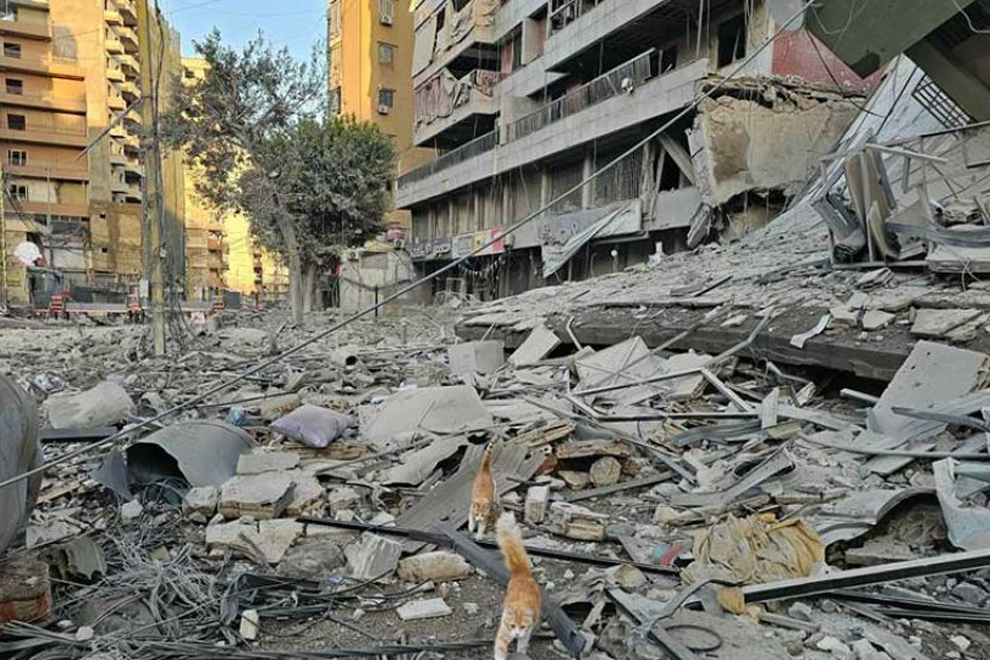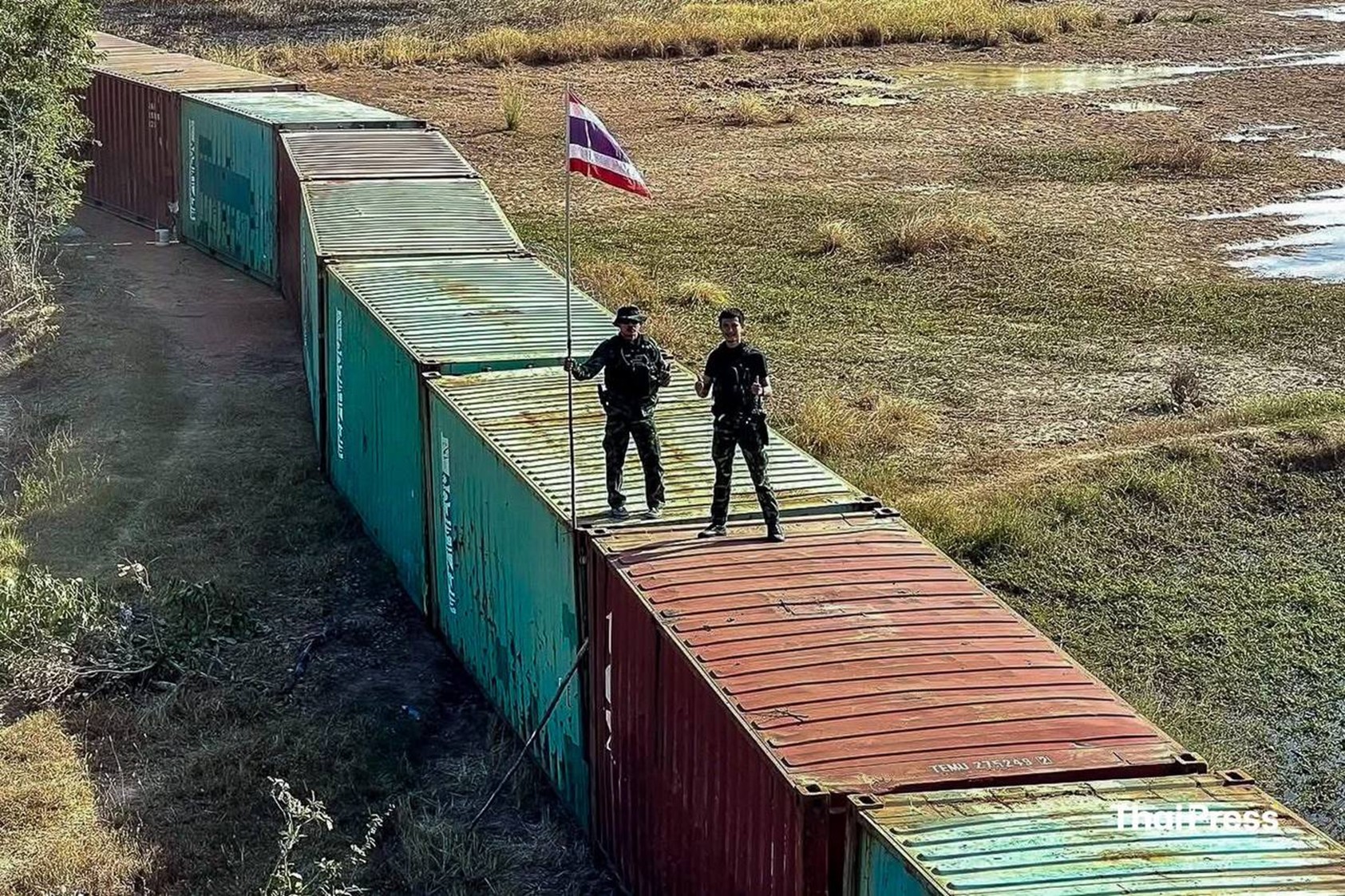
As tensions rise along the Cambodia–Thailand border, the call for legal resolution grows urgent — France’s historical and moral role is central.
As border tensions once again flare between Cambodia and Thailand, it becomes increasingly clear that this is not merely a bilateral issue, but a test of the international legal order. I write publicly — through this newspaper — to the French Ambassador to the Kingdom of Cambodia and to the President of the French Republic, appealing for a principled stance grounded in law, not force.
At the core of the dispute lies a fundamental question: will territorial disagreements be resolved through established legal mechanisms, or through unilateral coercion?
The territorial boundaries separating Cambodia and Thailand are not ambiguous. They were formally delineated during the period of French administration in Indochina, codified in official Franco-Siamese treaties and maps. These documents have long served as authoritative references in international adjudication, including proceedings before the International Court of Justice. They are not mere historical artifacts; they are legal instruments foundational to the rules-based order.
Attempts to reinterpret or disregard these maps through unilateral action undermine not only international law, but also regional stability. Borders cannot — and must not — be rewritten by force.
France, as the originating authority of these boundary instruments, holds an enduring historical responsibility — legal, moral and principled. At a time when facts are increasingly contested and military measures risk being normalised, France’s voice carries unique weight.
A reaffirmation of the validity of the Franco-Siamese boundary framework is not interference; it is a reminder of continuity, legality, and responsibility. France can play a constructive role by:
• Publicly reaffirming the legal standing of the Franco-Siamese territorial maps;
• Urging Thailand to respect established international boundaries;
• Encouraging the peaceful resolution of the dispute through submission to the International Court of Justice, where law — not force — prevails.
Cambodia seeks neither confrontation nor escalation. It seeks justice through law, continuity through history and peace through institutions. These goals align not only with Cambodia’s national interest, but also with the principles France has championed internationally.
At a moment when the rules-based international order faces increasing strain, the choice between law and force should not be left unresolved. Upholding legal norms in Southeast Asia is not optional — it is essential.
Though the French Government, the French Ministry for Europe and Foreign Affairs have issued several public statements expressing concern over the Cambodia–Thailand border conflict and have consistently called for restraint, dialogue and respect for international law. These appeals appear not to have been heeded by Thailand. In particular, Thailand has shown an unwillingness to acknowledge or give due consideration to the Franco–Siamese Treaties of 1904 and 1907, which constitute the historical and legal foundation of the present boundary.
In light of this continued disregard, it is appropriate to ask whether the French Government envisages any further diplomatic, legal or moral engagement to help ensure that these treaties — concluded under French authority and firmly embedded in international law — are properly respected and upheld in the pursuit of a just and lasting resolution.
Tesh Chanthorn
Tesh Chanthorn is a Cambodian citizen who longs for peace. The views and opinions expressed are his own.