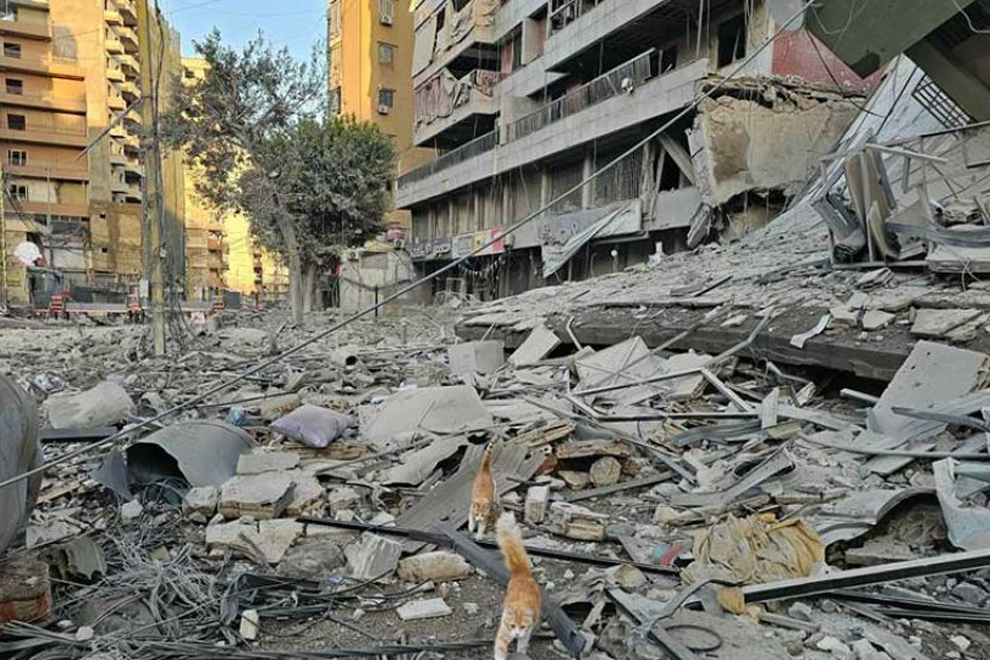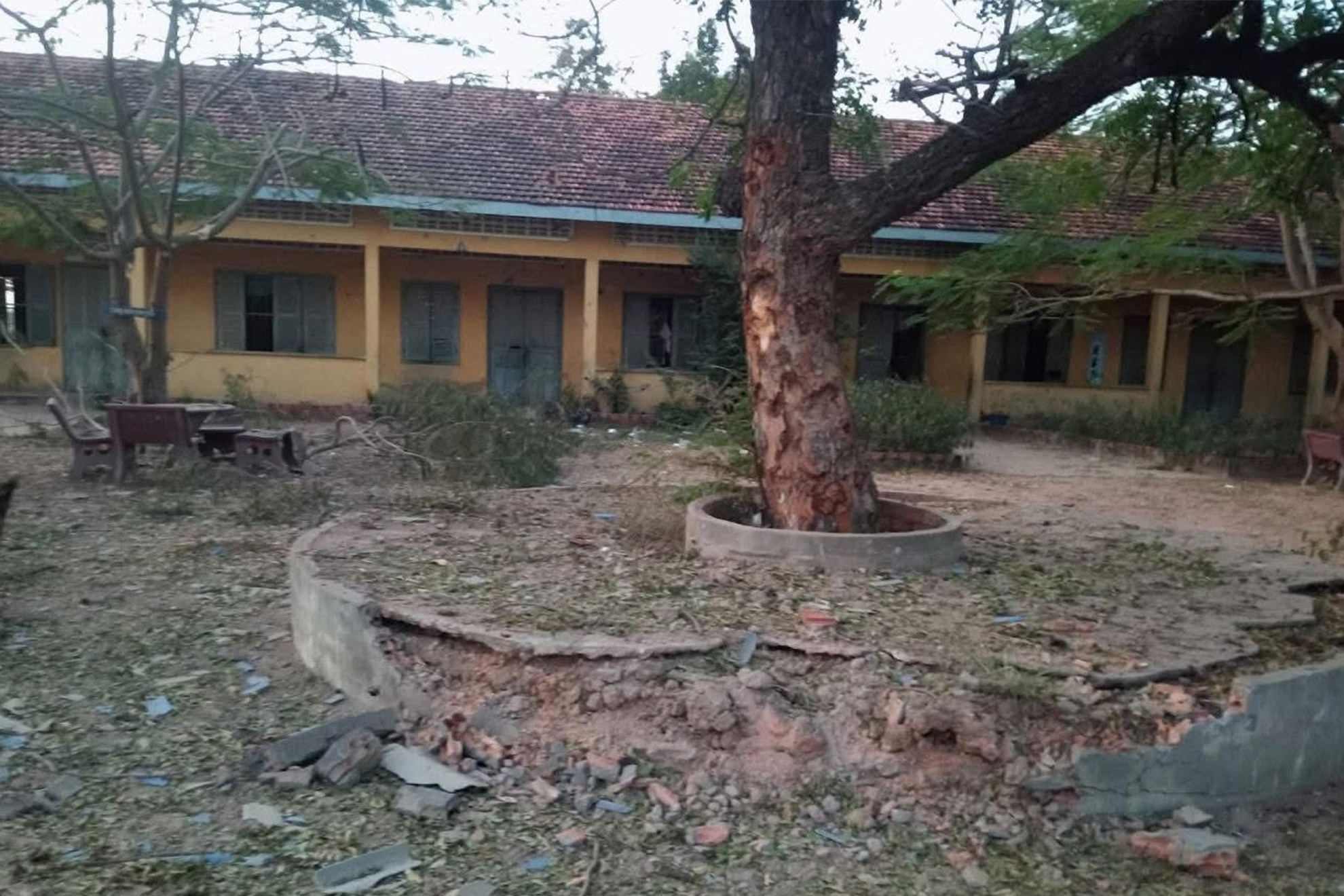
In 2025, a long-running territorial dispute between Cambodia and Thailand erupted into some of the most intense clashes in decades along their shared border. The fighting, or the so-called Thai invasion of Cambodia, characterised by artillery duels, airstrikes and exchanges of heavy weapons, has claimed lives, displaced hundreds of thousands of civilians and damaged infrastructure, particularly on the Cambodian side.
In recent weeks, following the December 7 outbreak of the border clashes, official reports have confirmed dozens of fatalities, many injuries and a mass evacuation of families from homes and communities near contested areas such as Preah Vihear, Oddar Meanchey and Banteay Meanchey provinces in Cambodia. Hundreds of schools have closed their doors, pagodas and cultural sites have suffered damage and lifetimes of study have been interrupted amid the chaos of war.
These tragic events are heartbreaking, not only for the immediate suffering they cause, but also for what they underscore about the fragile human foundations that underpin Cambodia’s future. Conflict, displacement and insecurity are both symptoms and causes of deeper structural weaknesses. These are compounded by the long-term underinvestment in education quality, research capacity and human capital development.
As Cambodia confronts the shock of renewed hostilities, the nation must recognise that its greatest strategic asset in achieving sustainable peace, development and resilience is not weaponry, but the minds and skills of its people. Therefore, human capital development must be prioritised following the conflict.
The Lost Generation: How Conflict Impacts Education and Human Potential
Education is a long-term investment: the hours children spend in school compound over years, laying the groundwork for higher productivity, civic engagement and economic innovation. Yet the recent conflict has forced the closure of hundreds of schools and derailed educational routines for over 200,000 students, a disruption that risks hampering academic progress and widening educational disparities.
Beyond these immediate setbacks, instability casts a long shadow over Cambodia’s efforts to strengthen its human capital. In a country where many young people already struggle to access quality education, disruptions due to violence, displacement and insecurity further erode opportunities.
When families face a choice between safety and schooling, survival usually wins. When teachers and researchers lack stable conditions in which to work, knowledge production stalls. The conflict exacerbates the already low education quality and limited research engagement among Cambodian academics and students.
Even in peacetime, Cambodia has grappled with structural challenges in education and research. Many schools continue to lack resources, teacher training varies widely and research, particularly original, locally led inquiry, remains underdeveloped compared to neighbouring countries in Southeast Asia.
These gaps limit not only academic success but also the nation’s ability to innovate, adapt to new economic circumstances and drive its own development agenda, especially the national vision to become a knowledge-based society and a high-income country in the coming decades.
Human Capital: The Foundation of Sustainable Development
Human capital, the collective skills, knowledge and creativity of a population, is far more than a buzzword. It is the lifeblood of economic development, social cohesion and national resilience. Countries that invest in education and research do not merely train workers; they cultivate problem-solvers, entrepreneurs and leaders capable of navigating complex global challenges.
In the Cambodian context, investment in human capital holds particular promise. It aligns with the Pentagonal Strategy – Phase I and various national policies, including Cambodia’s Education 2030 Roadmap and National Research Agenda 2025.
An educated population offers hope for Cambodia’s bright future. It supports the country’s Industrial Development Policy and National Strategic Development Plan.
Likewise, research institutions, if strengthened, can generate home-grown solutions in agriculture, education, public health, technology and public policy, reducing dependency on external expertise and fostering innovation tailored to Cambodian realities.
Moreover, a strong research culture has intrinsic value in promoting critical thinking, informed decision-making and evidence-based policy. In times of crisis — be it a public health emergency, environmental disaster or geopolitical tension such as the border conflict — nations with robust research and analytical capacity tend to respond more effectively and equitably.
Yet research in Cambodia remains nascent. There are promising universities and think tanks, but they often operate with limited funding, minimal integration into national development plans and inadequate support for young researchers. Bridging this gap requires a clear vision and strategic intent: investment, infrastructure, mentorship and an academic culture that values inquiry, integrity and engagement with real-world problems.
From Destruction to Reconstruction: A Call for National Commitment
The border conflict with Thailand has laid bare the human and material costs of instability and war. However, it also offers a wake-up call: if Cambodia is to navigate an uncertain world successfully, it must strengthen what cannot be bombed or bulldozed: its human capital.
This is not a task for one sector alone. The government must lead with an ambitious and clear vision, supported by committed resources, making education and research integral to national planning.
Policies should prioritise funding for schools, teacher development, research institutions and scholarships that support talent from all regions and backgrounds. Long-term budget commitments, rather than short-term fixes, will send a clear message that education is a top priority, particularly in the aftermath of difficult times such as the border conflict.
Educational institutions, particularly universities, must also embrace innovation. They need to improve curricula that equip students not only with knowledge but also with critical thinking, digital literacy, problem-solving skills, nationalism and a love of Khmer culture and traditions.
Higher education institutions and research centres should forge partnerships with communities, industries and international partners to build capacity and enhance relevance. These efforts will be instrumental in strengthening Cambodia’s voice in global knowledge networks and unlocking opportunities for collaboration and investment.
Likewise, the private sector has an important role to play. It must invest in workforce development, sponsor research initiatives and create pathways for graduates to contribute meaningfully to the economy and society.
Civil society and the media can also contribute by amplifying the importance of education and research, holding stakeholders accountable for their actions and celebrating progress.
Overall, all stakeholders, including researchers, teachers, parents and students, need to see education not as a luxury but as a cornerstone of national strength. In classrooms and laboratories, in villages and cities alike, the work of learning and discovery must be promoted and prioritised. Through quality education and research, Cambodia will produce the leaders of tomorrow, offering hope for prosperity and sustainable development.
As Cambodia begins to rebuild in the wake of conflict, it must have clear focus on the future with a clear conviction; that is, to invest in education and research. Such investment is tantamount to investing in human capital and sustainable development in the long run.
The journey ahead requires vision, courage, collaboration and sustained commitment from all stakeholders, especially the government, educational institutions and the private sector. Only by nurturing the minds of its people can Cambodia truly secure a peaceful and prosperous future.
Kimkong Heng is a Cambodian lecturer and researcher. He is the co-founder and editor-in-chief of the Cambodian Education Forum. The views and opinions expressed are his own.