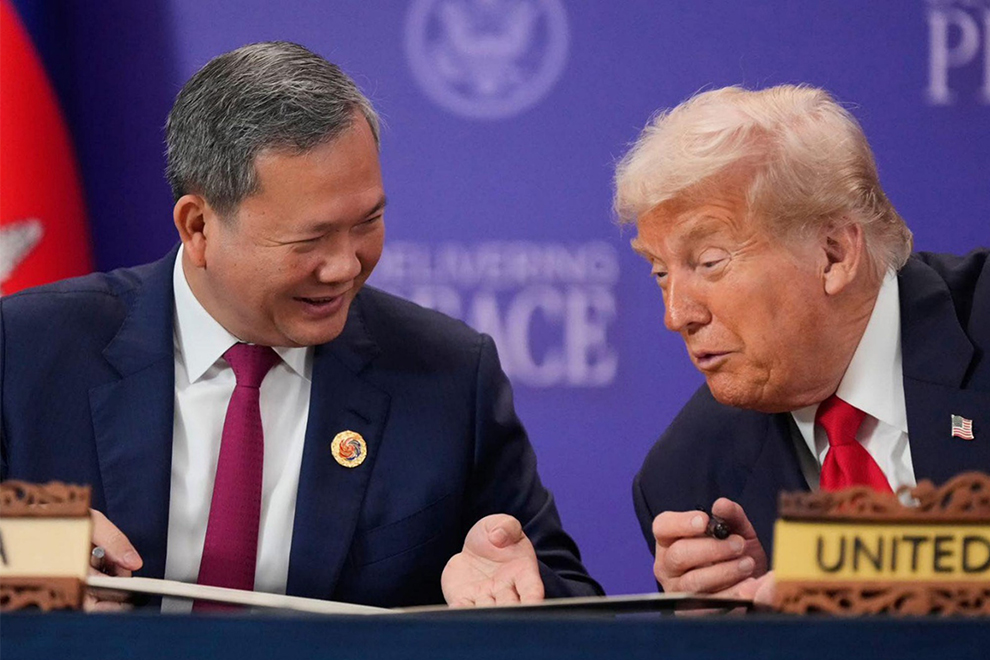
As the snow falls on Davos this week, the geopolitical temperature in Phnom Penh is rising. The formal invitation from US President Donald Trump for Cambodia to join the “Board of Peace” as a founding member has arrived at a critical juncture. For a Kingdom currently navigating a fragile ceasefire with Thailand and a complex “ironclad” relationship with China, this is more than a diplomatic letter — it is a high-stakes stress test of Cambodia’s “Pentagonal Strategy”.
The proposal is as audacious as it is expensive: a permanent seat on a new global arbiter for a one-time contribution of $1 billion. For critics, this is “pay-to-play” diplomacy. For Cambodia, however, it may be the most important insurance policy the country ever buys.
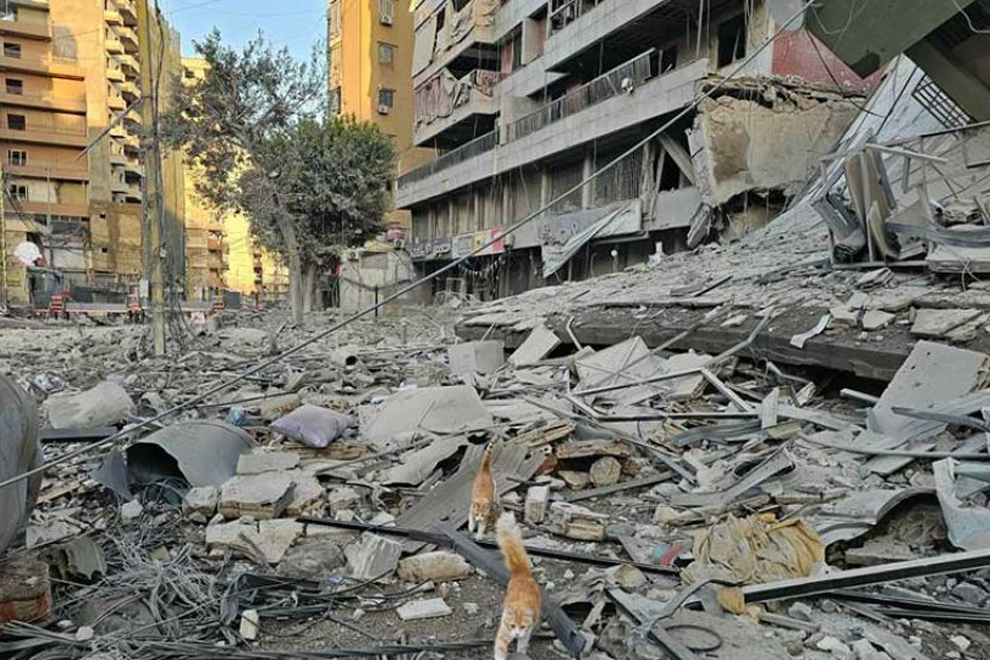
The arithmetic of membership must be viewed through the lens of the 2025 border crisis. Last year’s clashes with Thailand resulted in dozens of lives lost, over 150,000 families displaced and billions of dollars in lost trade and tourism. While a ceasefire is in place, the underlying friction remains.
Cambodia cannot win a sustained military arms race against a larger neighbour. Therefore, paying $1 billion to sit at a table chaired by the world’s superpower is not “giving in” — it is a strategic pivot. By internationalising our border security through the Board, we transform a local dispute into a global concern. If the US President is the referee of this Board, any future military aggression from neighbours becomes a challenge to the Board’s authority, not just to Cambodia’s borders.
We must also acknowledge the scam centre shadow that has loomed over our international reputation. For years, the blockbuster film No More Bets and subsequent media narratives have painted Cambodia as a lawless frontier, devastating our tourism sector.
History shows that while Beijing expressed concern, it was the recent, massive US financial and judicial pressure that finally catalysed the serious, nationwide clean-up we see today. Joining the Board of Peace provides Cambodia with a clean slate. It would signal to the world that we are no longer a passive recipient of regional chaos but a proactive founding member of a new global order. It is an investment in our national brand.
The million-dollar question remains: will this upset Beijing? Cambodia has always been a master of the middle path. As China itself weighs its response to the Board in Davos, Cambodia should not rush to the finish line alone.
Our strategy must be active neutrality. We should position our membership as a bridge, not a barrier. By participating alongside (or in consultation with) China, we ensure that the Board does not become a tool for containment, but a forum for regional stability. We must ensure that our $1 billion buys us a voice that can say “No” to any policy that contradicts our constitutional neutrality.
The greatest risk is the post-Trump vacuum. What happens if a future US administration undoes the Board? To protect our billion, Cambodia must demand that the Board’s charter be institutionalised — linked to broader frameworks or recognized by the UN — rather than remaining a purely executive project.
$1 billion is a staggering sum, representing nearly 12% of our national budget. However, we must ask: What is the cost of the alternative? The cost of another war, the cost of a ruined reputation and the cost of being sidelined in a new world order is far higher.
If membership on the Board of Peace ensures that the guns stay silent at our borders and the “scam city” labels are permanently erased, then it is not a tax we are paying — it is an investment in the next fifty years of Cambodian prosperity.
Vichana Sar is a Phnom Penh-based researcher into digital governance and geopolitical trends. The views and opinions expressed are his own.