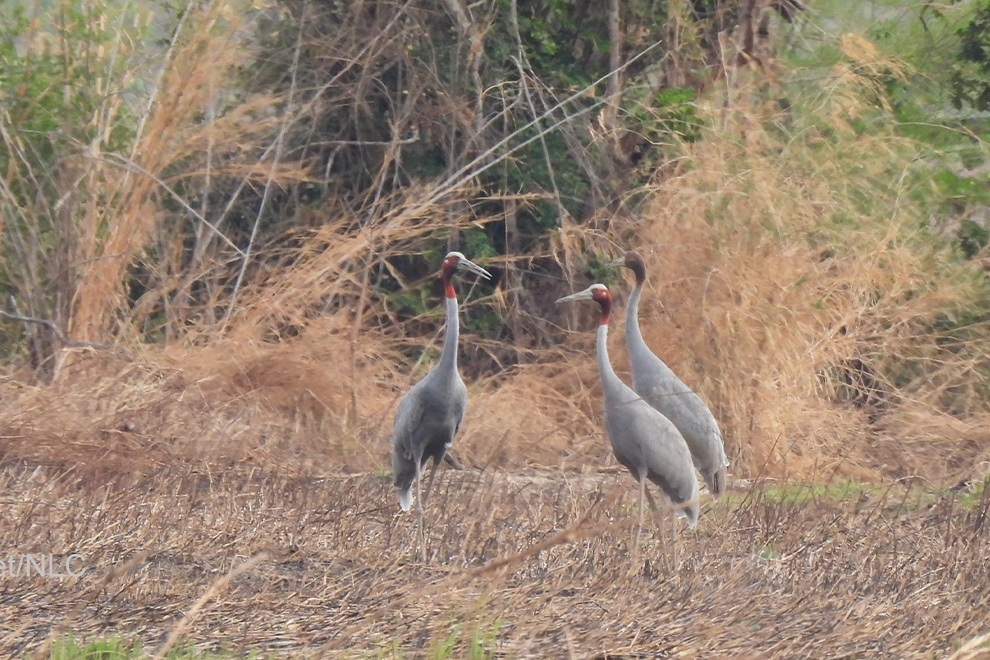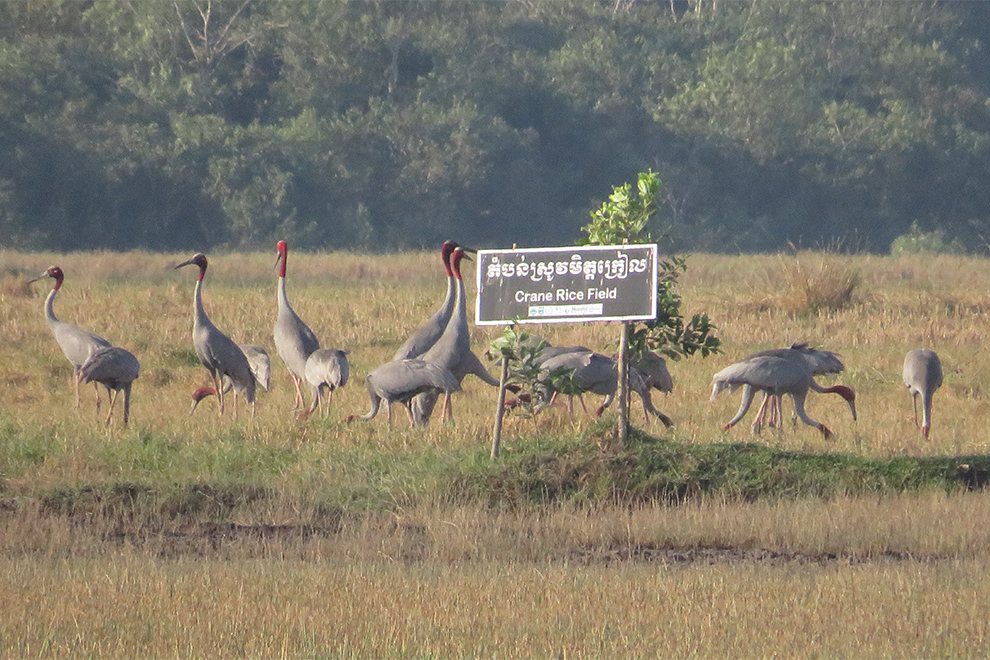
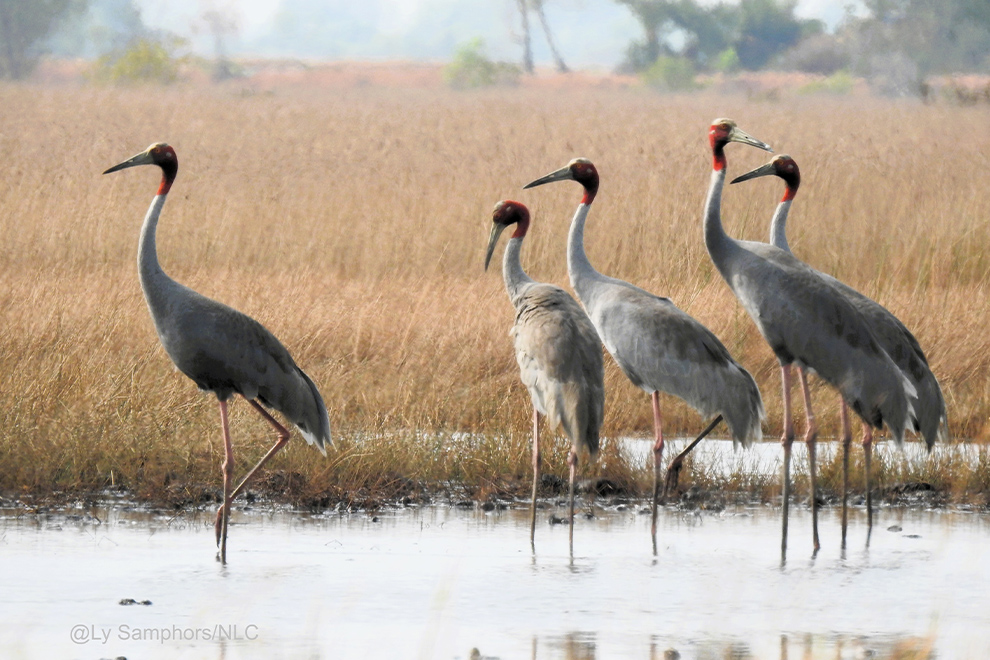
Cambodia recorded a total of 214 sarus cranes in 2025, marking the highest number since 2020 and reflecting around a 20 per cent increase compared with the 2024 census. The figure also showed a 37 per cent rise over 2022, according to a statement released Thursday, August 28, by the Cambodia Sarus Crane Working Group (CSCWG).
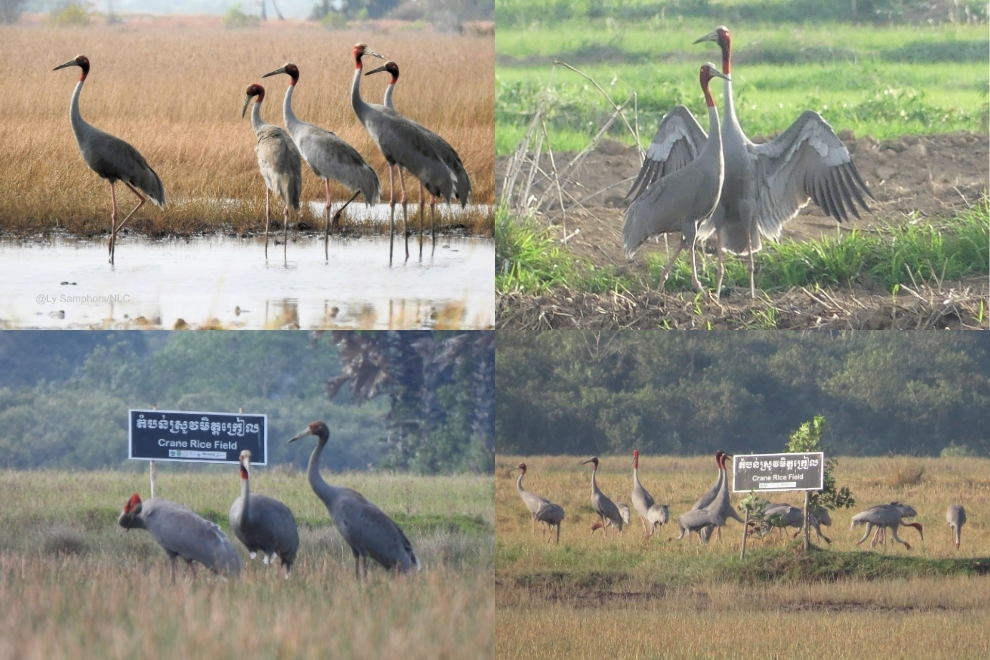
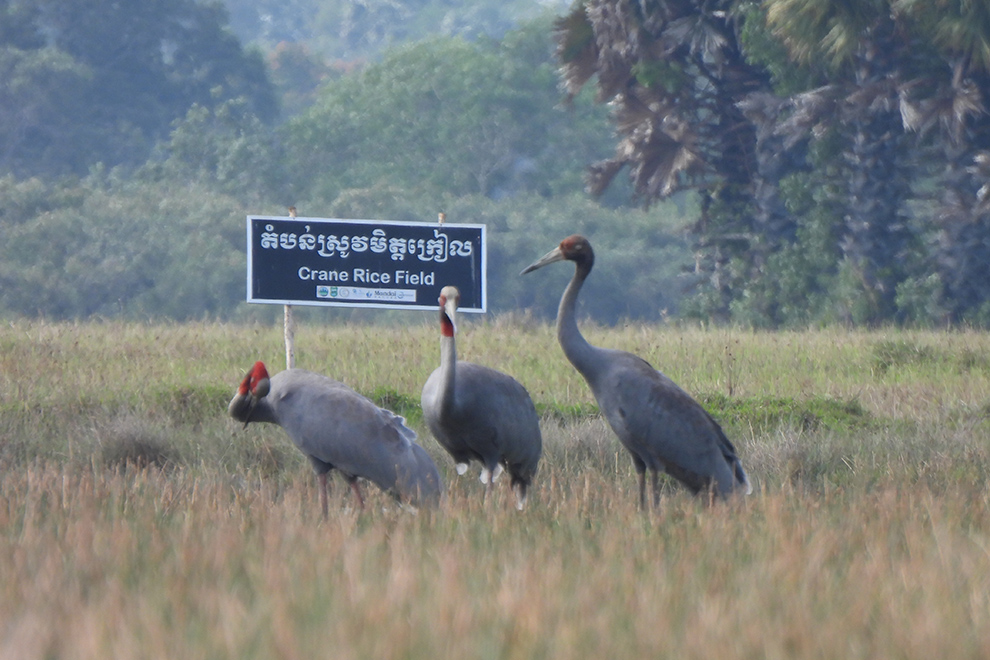
The group, led by the Ministry of Environment’s Department of Protected Areas, said the population increase of the eastern sarus crane (Grus antigonesharpii) — a species listed as critically endangered worldwide — is a positive sign for 2025.
Coordinated annually across Cambodia and Vietnam, censuses conducted since the year 2000 provide critical insights into the status of this iconic and threatened species in the Lower Mekong Basin.
“The 2025 census recorded a total of 214 Sarus Cranes in Cambodia; the highest figure since 2020, and a significant 20 per cent increase from 2024, and 37 per cent higher than 2022,” it stated.
The sarus crane population in the Lower Mekong appeared to have undergone a worrying and steep decline during the previous decade, with annual census totals plummeting from 869 in 2011 down to just 156 Cranes in 2022. However, since 2022, this downward trend appears to have reversed.
Khvay Atitya, environment ministry spokesperson, said this year’s result brings cautious optimism regarding the conservation and management of natural protected areas in Cambodia.
“The increase in the 2025 sarus crane census result reaffirms the Royal Government of Cambodia’s strong commitment to environmental protection through strategic policies that ensure environmental quality, ecological safety and harmony,” he said.
He added that the ministry introduced the Circular Strategy on Environment, the second pillar of which focuses on “Green”. This pillar emphasises the participation of local authorities at all levels, development partners, the private sector, civil society and local communities in law enforcement, capacity building and implementing the use of modern technology for natural resource management, building tree nurseries, and extensive reforestation to increase tree cover, while improving community livelihoods for the benefit of wildlife, including the sarus crane.
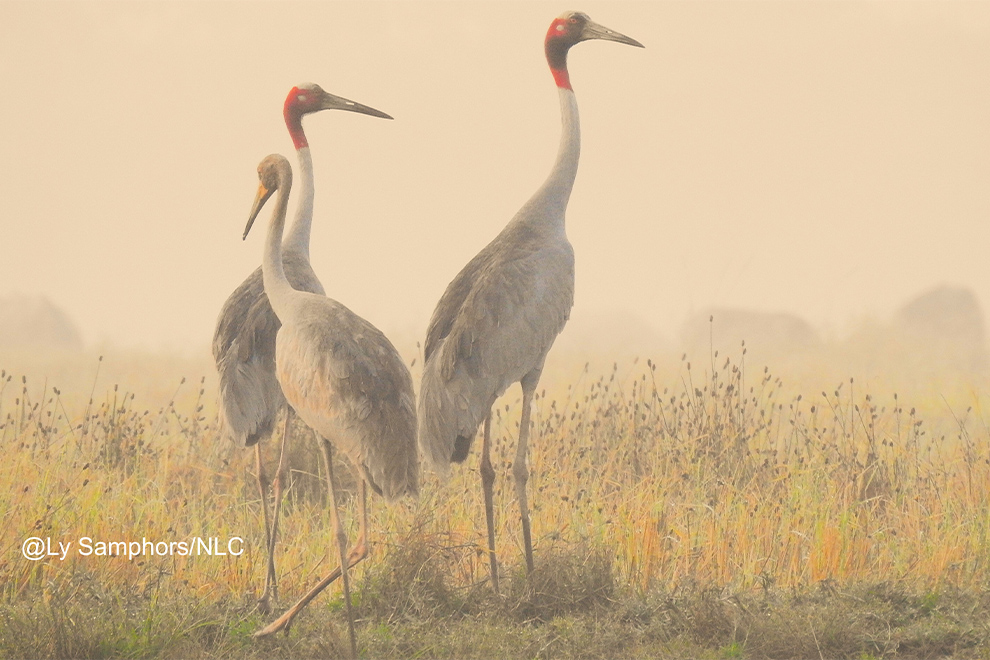
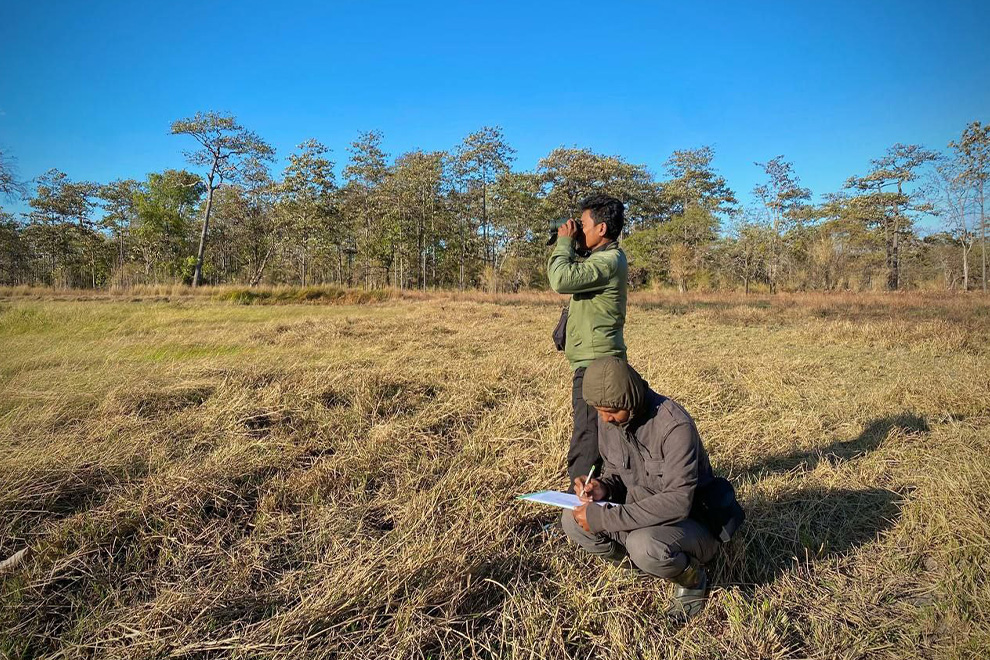
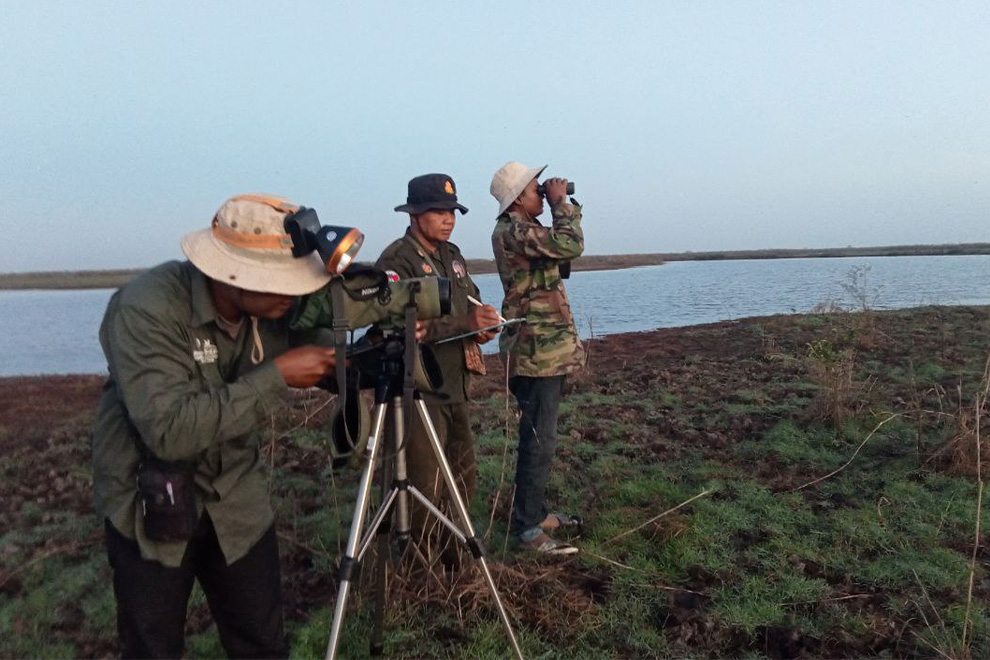
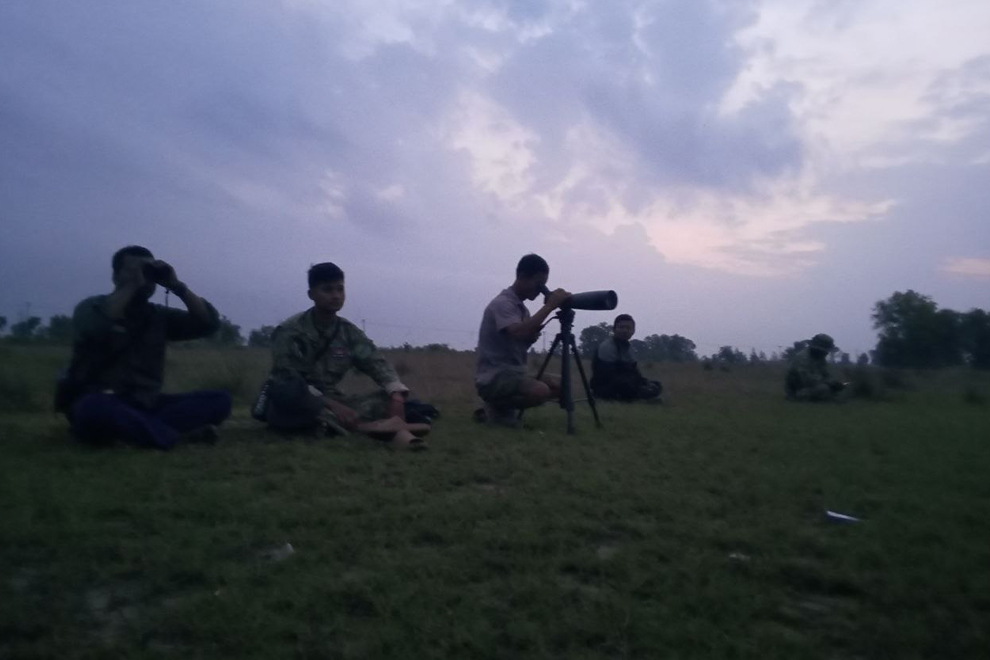
Synchronised crane counts, carried out monthly from December through May, are conducted across 13 key sites in Cambodia and Vietnam, and are coordinated by the CSCWG. The census is made possible by the longstanding collaboration of these organizations, including the ministry, NLC, WCS, ACCB, ICF, WWT and numerous partners.
Alistair Mould, Country Director of WCS Cambodia, said the promising census results reflect the tireless efforts of CSCWG’s partners, local communities and the conservationists working on the ground.
Christel Griffioen, country director of ACCB, explained that Cambodia’s wetlands and dry forests are vital strongholds for the eastern sarus crane, a species of profound natural and cultural importance.
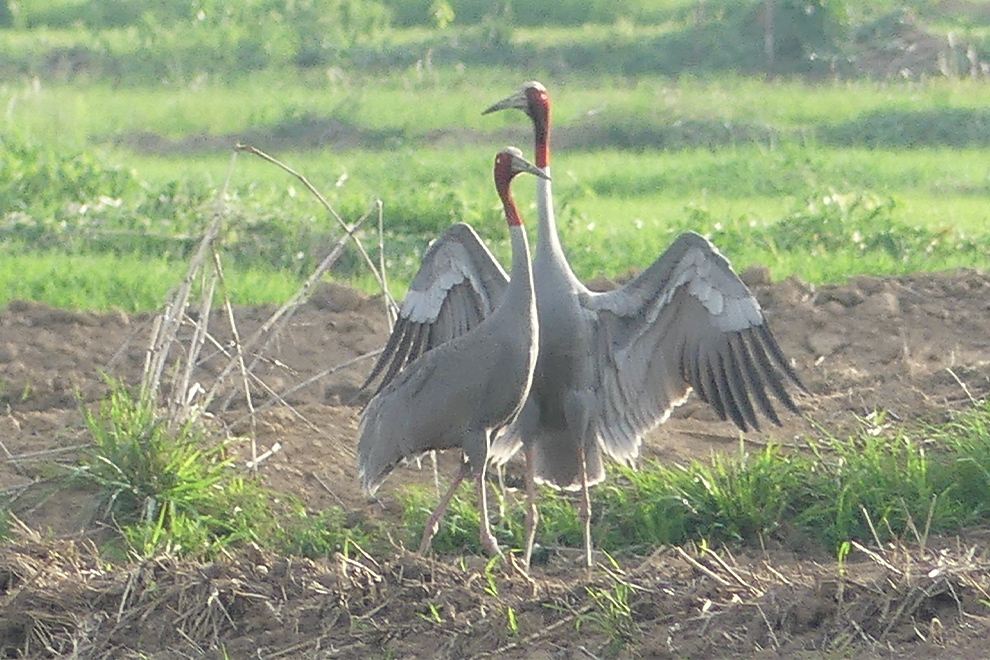
“This year’s encouraging census reflects the dedication and close collaboration of conservation partners and local communities. Sustained, coordinated action will be essential to secure a lasting future for this magnificent bird,” she said.
Bou Vorsak, vice chairman of CSCWG and CEO of NatureLife Cambodia, added that The CSCWG reaffirms its commitment to safeguarding the sarus crane and its habitats.
“Through joint monitoring, strategic conservation planning and the introduction of crane-friendly agriculture, we are strengthening our collective efforts to ensure that one of Southeast Asia’s most iconic wetland species continues to thrive as part of Cambodia’s natural heritage,” he said.
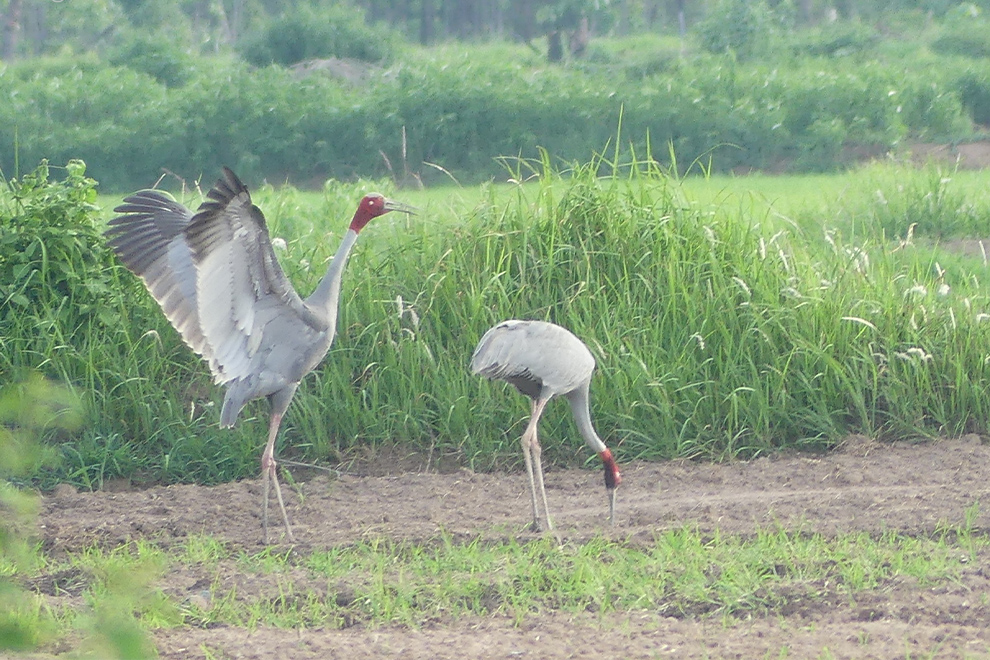
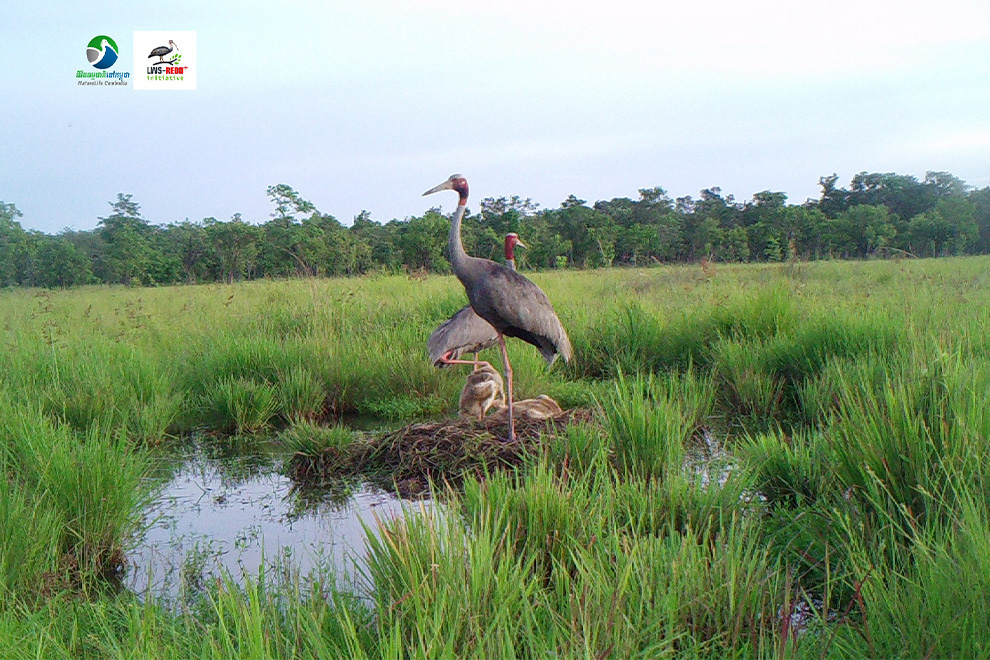
The sarus crane is a short-distance migratory bird, moving between Cambodia and Vietnam. During its breeding season from June to November, it nests in Lomphat Wildlife Sanctuary in Ratanakkiri and Mondulkiri, as well as in Chheb–Preah Rokar and Kulen Promtep Wildlife Sanctuaries in Preah Vihear province.
The birds also breed in grasslands, wetlands or remote forest areas undisturbed by humans.
After breeding, cranes migrate with their young to the Mekong floodplains for about six months, frequenting areas such as Boeung Prek Lapouv Protected Landscape (BPL) in Takeo province, Anlong Pring Protected Landscape in Kampot, and sites around the Tonle Sap floodplains, including the Trapeang Thmor Sarus Crane Conservation Area in Banteay Meanchey. Some flocks also fly across the border into Vietnam.