



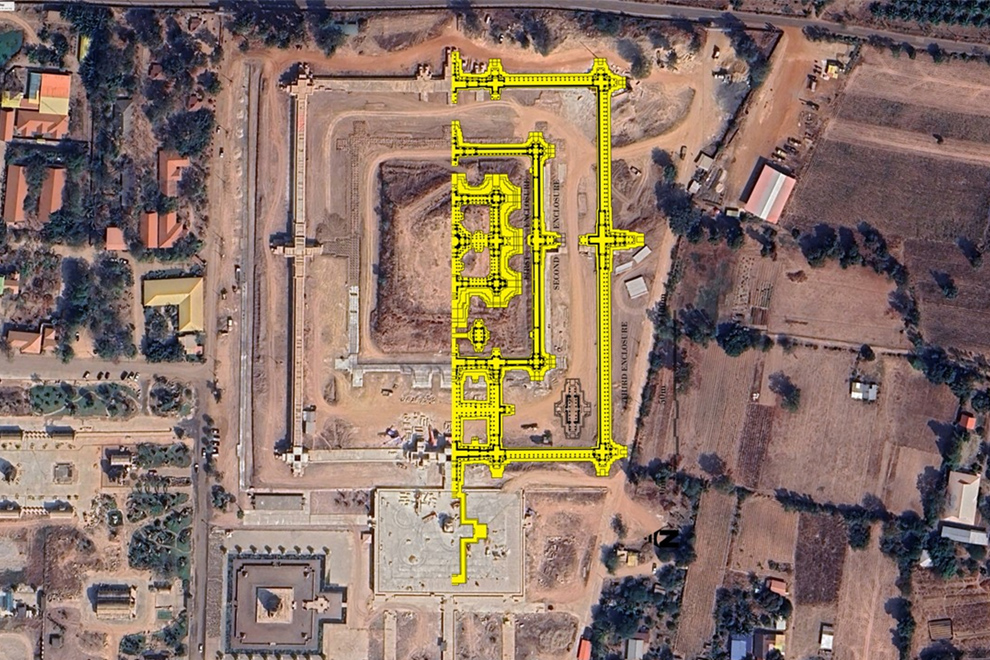
At the 47th session of the UNESCO World Heritage Committee, the world witnessed an alarming example of cultural disrespect and historical theft. Cambodia’s Minister of Culture and Fine Arts, Phoeurng Sackona, rightly voiced deep concern over the unauthorised construction of a large-scale replica of Angkor Wat in Thailand’s Buriram province — a project carried out without any consultation or consideration of ethical principles, cultural respect or international heritage standards.
Thailand’s counterstatement, claiming that the structure at Phum Man Fa Monastery is merely “inspired” by various Thai temples and “not a replica”, is not only misleading — it is a blatant attempt to escape accountability by hiding behind soft diplomatic language. But facts do not lie, and architecture does not deceive. This is not inspiration. It is copying. And worse, it is a form of cultural theft.
Not Just an Offense to Cambodia — An Offense to the World
Angkor Wat is not merely a Cambodian symbol. It is a UNESCO World Heritage Site, recognised for its Outstanding Universal Value, authenticity and integrity. It belongs not only to Cambodia, but to humanity. It is the heart of Khmer civilisation, the spiritual core of a nation and a sacred embodiment of the legacy of Southeast Asia’s greatest empire.
To recreate such a monument, brick by brick, in a foreign land, without consent or cooperation from its rightful guardian, is a shocking act of disregard. It sets a dangerous precedent: that nations can freely copy iconic sites for profit, tourism or prestige — while ignoring ethical norms, disrespecting the communities of origin and weakening the global system of heritage protection.
Thailand’s Pattern of Cultural Appropriation
This is not an isolated case. Thailand has a long record of appropriating elements of Khmer culture — dances, architecture, clothing and now sacred monuments — without acknowledgment or respect. This constant pattern of copying reflects a deeper problem: a lack of originality paired with an insatiable hunger to claim what is not theirs. Thailand is not a victim of misunderstanding. Thailand is a cultural opportunist.
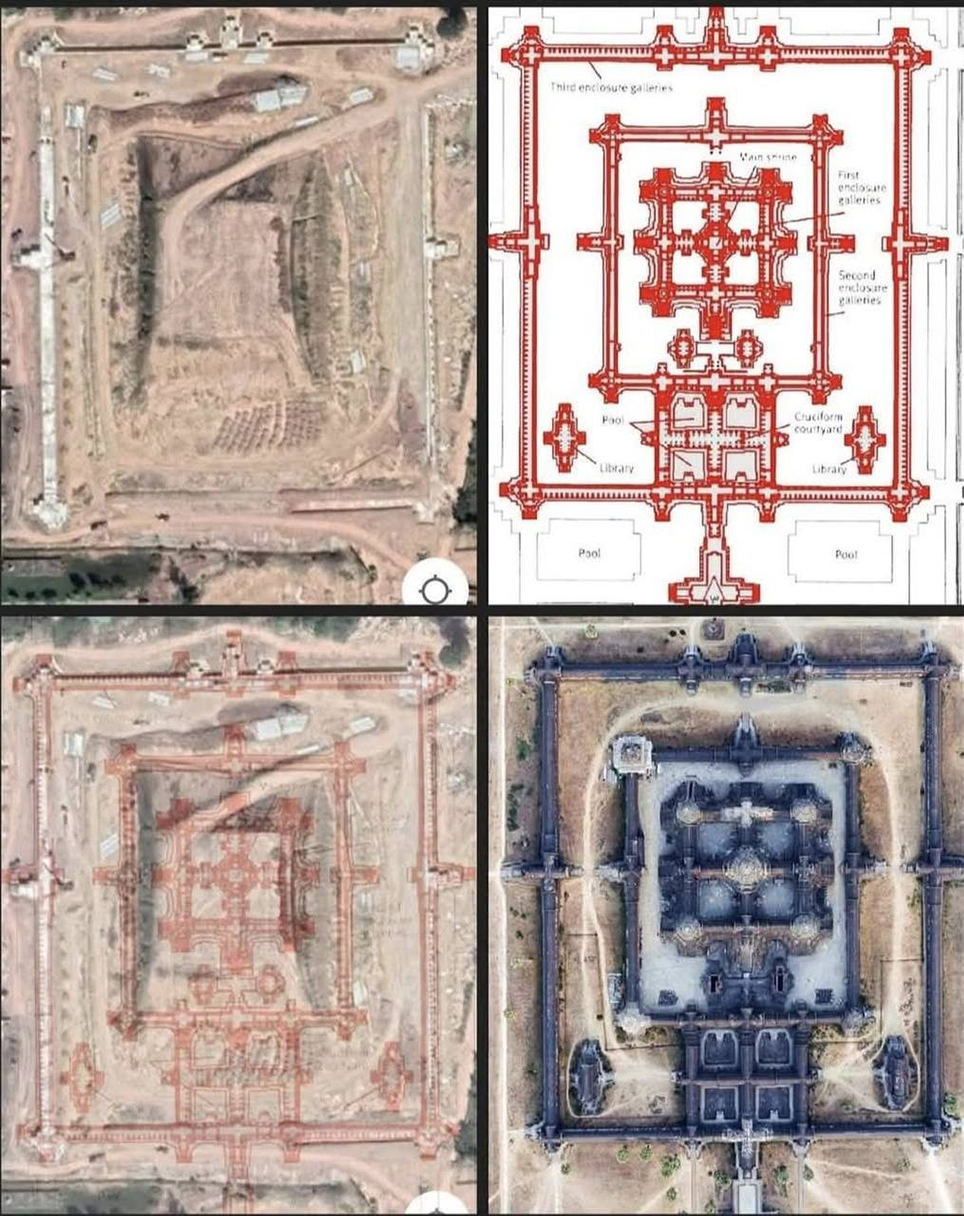
The attempt to downplay the issue by saying the temple is “inspired” and not a replica is intellectually dishonest. Anyone who looks at the images can see the striking resemblance. This is not an homage; it is a counterfeit. It is a deceptive act dressed in diplomatic language.
Ethics and Good Neighbourliness Cannot Be One-Sided
Thailand insists that cultural heritage should unite, not divide. But unity cannot be built on deception. Friendship cannot be based on theft. Good neighbourly relations require mutual respect — not one country building unauthorised copies while silencing the other with bureaucratic excuses about “bilateral working groups”.
Consultation must be before, not after, the damage is done. When UNESCO’s values are trampled and cultural dignity is mocked, no amount of “joint working groups” can cover the shame.
Cambodia Has a Right to Defend Its Heritage
Cambodia has every right to speak up. We do not defend Angkor Wat out of nationalism, but out of responsibility — to our ancestors, to our people and to the world. When a neighbour copies your sacred temple and calls it their own creation, silence is not diplomacy — it is betrayal.
A Call to the International Community
We call on UNESCO, international scholars and cultural institutions to stand with Cambodia. This is not just about Angkor Wat. It is about protecting the sanctity of all World Heritage Sites from commercial exploitation and political misuse.
What happens today in Buriram could happen tomorrow to Machu Picchu, the Pyramids of Egypt or the Taj Mahal. If we allow replicas to be built under false pretences, we destroy the foundation of cultural integrity that UNESCO was created to uphold.
Cambodia will never remain silent when its soul is copied, commodified and disrespected. Angkor Wat is not for sale. Not for copying.
Not for exploitation. Thailand must stop acting like a friend in words but a thief in deeds.
Roth Santepheap is a geopolitical analyst based in Phnom Penh. The views and opinions expressed are his own.
