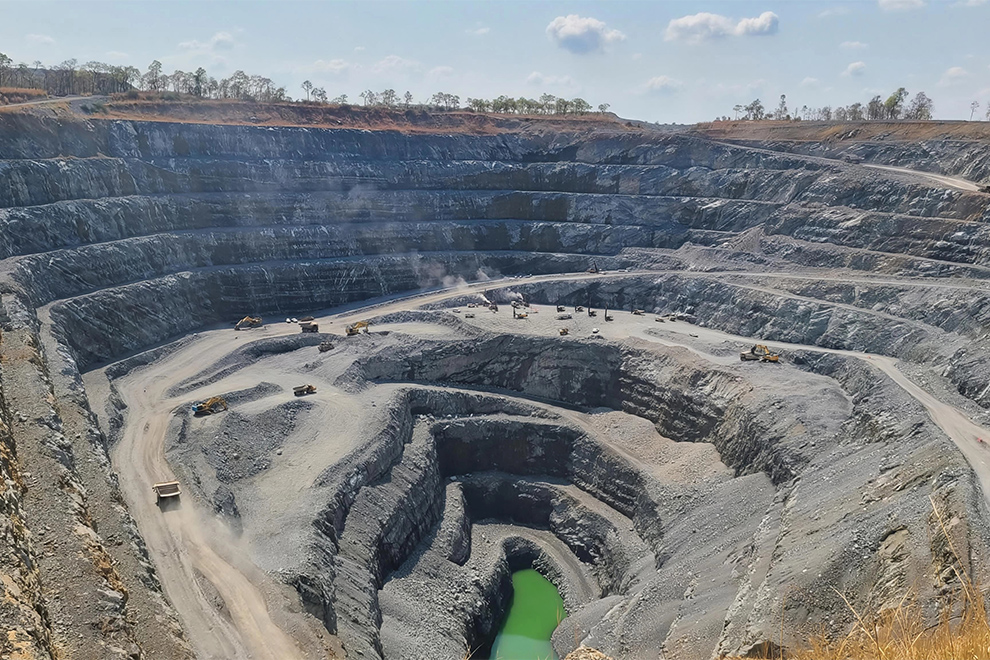
Cambodia has taken a decisive step toward unlocking what could become its next major industrial gold operation, with the Ministry of Mines and Energy approving a new investment agreement with Renaissance Minerals (Cambodia) Ltd for the long-awaited Memot gold project in Tbong Khmum province.
Signed on November 17 under the leadership of mines minister Keo Rottanak, the agreement marks the project’s transition from exploration to full-scale development — solidifying Memot as the second pillar of Cambodia’s modern gold industry after the Okvau mine in Mondulkiri.
Rottanak said the move demonstrates the government’s determination to convert the country’s natural resource potential into tangible, long-term benefits.
“This agreement is about accelerating responsible growth and ensuring that the full value of these resources supports our national progress,” he said.
Renaissance Minerals, a subsidiary of Australia-listed Emerald Resources, has been active at the Memot site — located in Choam Ta Mao commune — since securing exploration rights several years ago.
Ministry data confirms the project holds an estimated 26 tonnes of gold, with planned output of around 3 tonnes per year over a projected seven-year lifespan.
That scale puts Memot on track to become the country’s second-largest gold producer after Okvau.
“The mine is expected to employ about 500 local workers, while state revenue from royalties, taxes and other obligations is projected at $583 million over its operational life,” said Rottanak.
The agreement follows earlier government approvals for both the environmental and industrial mining licences, clearing the way for construction to begin.

Building on momentum from Okvau
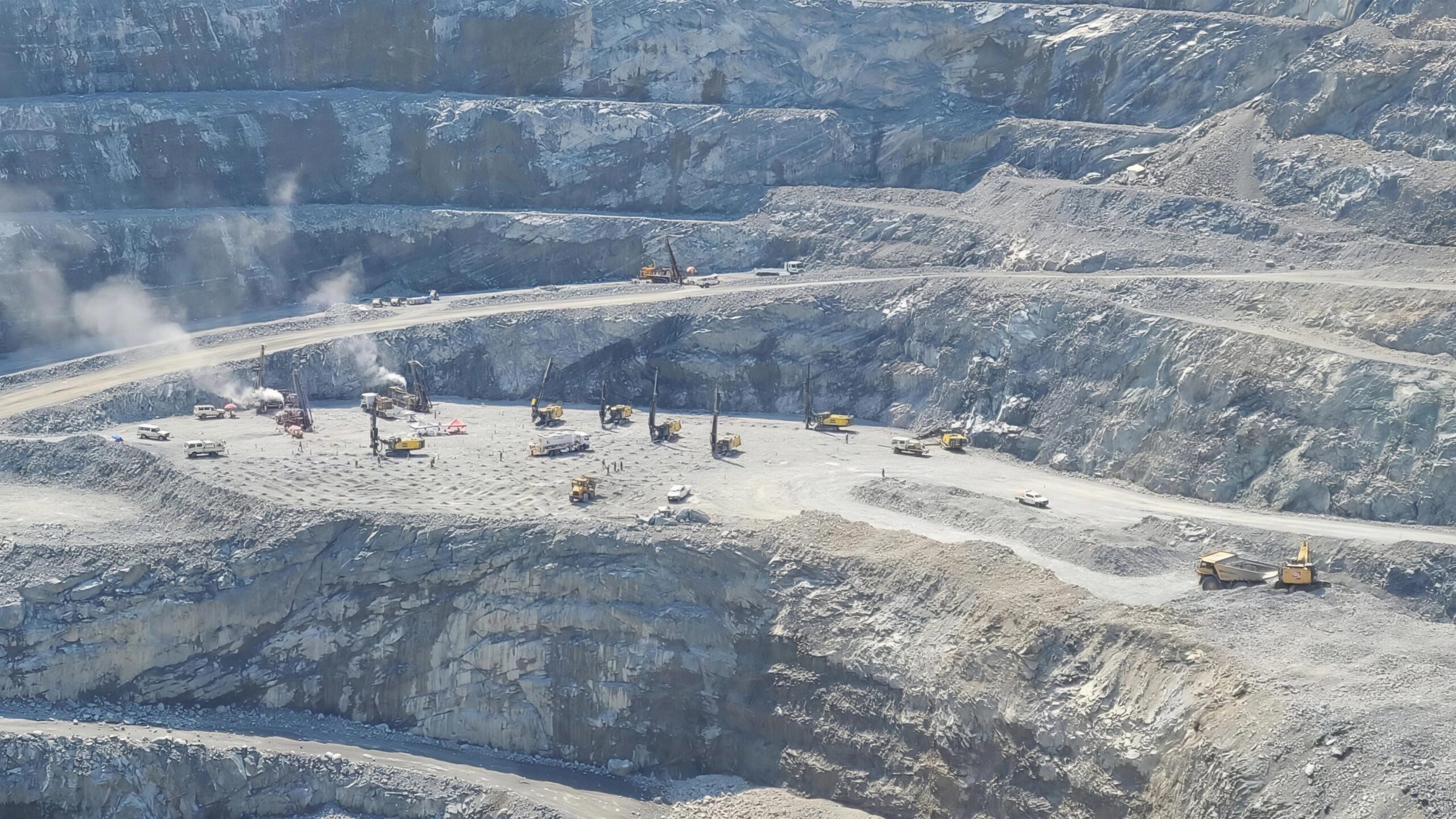
The Memot project comes on the back of Renaissance’s success at the Okvau Gold Project in Mondulkiri, which has transformed Cambodia’s mining landscape since its first gold pour in 2021.
Okvau produces roughly 3 tonnes of gold annually, employs about 700 people, and has already delivered nearly $1 billion in state revenue.
“Since 2021, the mine has produced around 16 tonnes of gold and employed roughly 700 people, more than 90 per cent of them are Cambodians,” said Rottanak.
“This agreement Okvau moves into an underdog phase, demonstrating the project’s maturity, and is expected to generate about $1 billion in government revenue, including royalties and other taxes,” he added.
The operation’s scale — where 5,000 tonnes of ore produce roughly 10 kilogrammes of gold — has showcased Cambodia’s ability to host world-class mining operations.
The company’s track record at Okvau is central to the government’s confidence in the Memot expansion.
Rottanak highlighted Renaissance’s adherence to safety, environmental management and community engagement.
“What we see at these projects is that mining can be done to a decent standard,” he said.
“Workers are treated fairly; operations follow responsible practices and safety is taken very seriously,” he added.

Environmental management and local benefits
Renaissance Minerals continues to promote itself as a “first mover in Cambodia”, citing long-term partnerships with local communities, extensive training for Cambodian workers and strict environmental oversight.
Its commitments include mine rehabilitation, land management, biodiversity monitoring and public health initiatives. Over the past year alone, the company has:
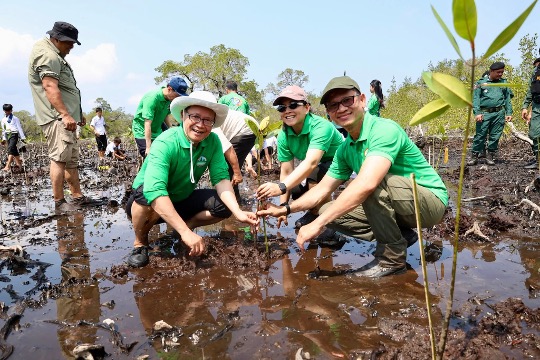
- Planted over 114,000 trees
- Cleared more than 10 hectares of unexploded ordnance
- Carried out nearly 3,000 km of biodiversity patrols
- Expanded maternal health programmes
- Strengthened training centres and technical colleges
“Women now make up 19 per cent of Renaissance’s employees and 16 per cent of senior management — well above the global mining average of 15 per cent,” said Rottanak.
“Roles held by women include technicians, haul-truck operators and supervisors,” he explained.
A new centre of gravity for Cambodia’s gold sector
While the Okvau mine in Mondulkiri has long served as the backbone of Cambodia’s emerging gold industry, the Memot project is set to shift new attention to Tbong Khmum province.
The site sits at the crossroads of an expanding gold belt that also includes promising prospects at Snuol, Oktung and Preak Klong, according to company data.
Back in February, ministry officials hinted that Memot would become a major development hub for 2026–2027.
Kong Sitha, deputy director-general of the General Department of Mineral Resources, described the project as “an excellent sign for development”, signalling the government’s expectation that Memot will usher in a new era of commercial mining beyond Okvau.
Government backing and national strategy
In his remarks at the signing ceremony, Rottanak expressed his gratitude to Prime Minister Hun Manet for strengthening regulatory frameworks and attracting responsible investment into the sector.
He also thanked provincial authorities, technical ministries and affected communities for facilitating progress on the project.
He reminded stakeholders that gold remains a strategic asset — even in a digital economy — and said Cambodia must continue expanding production to secure long-term economic resilience.
“Gold continues to play a critical international role as a measure of wealth and a reliable store of value,” he said.
“Our efforts to expand domestic gold production are both timely and strategically important,” he continued.
With the agreement now in place, Renaissance Minerals can accelerate preparations at Memot — potentially positioning Tbong Khmum as Cambodia’s next major mining province within just a few years.