The Cambodia has secured $9.8 million in climate finance to increase resilience in 25 of the country’s most vulnerable districts, as worsening floods and drought continue to devastate rural livelihoods and infrastructure.
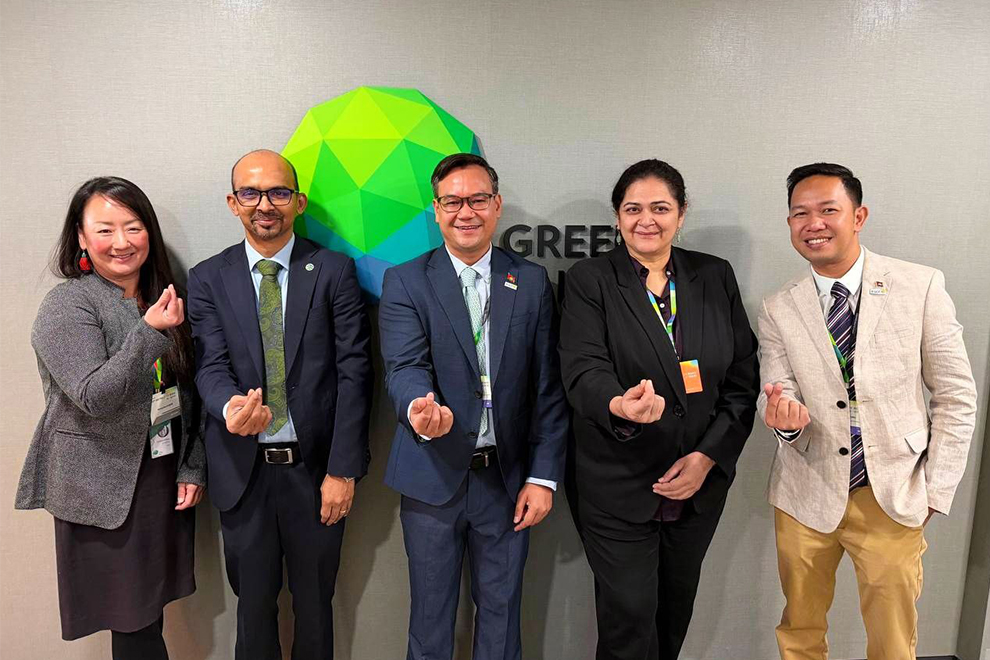
The funding, approved at the 43rd Board meeting of the Green Climate Fund (GCF) on October 30 in Songdo, South Korea, marks the third phase of the Local Governments and Climate Change (LGCC) initiative.
The LGCC-3 project, implemented through the National Committee for Sub-National Democratic Development (NCDD), directs climate adaptation resources toward district-level authorities — a decisive shift toward community-led climate action.
The approval also represents the first time Cambodia has accessed GCF financing through a direct accredited entity, underscoring its growing leadership in managing climate funds.
“Although Cambodia is progressing toward graduating from its status as a Least Developed Country (LDC), it still faces significant challenges in many provinces, including poverty and high vulnerability to climate change impacts, particularly in rural areas,” said Chheng Vatanak, NCDD deputy head and project director.
“Funding from the Green Climate Fund under LGCC-3 is essential to unlock the necessary financing for capacity building, technical assistance, and local adaptation investments,” he said.
The project will be rolled out over three years and initially focus on 15 districts across Battambang, Preah Vihear and Pursat provinces, with an additional ten districts to be added in the final year.
The selected areas are among the most exposed to extreme weather patterns, particularly recurring floods and prolonged droughts, which have increasingly disrupted farming systems, food security and essential services.
A feasibility study identified the 25 districts as the most climate-vulnerable due to a combination of environmental stressors and limited technical capacity at the local governance level.
Many of these districts lack the ability to assess climate risks or integrate adaptation measures into planning, leaving communities, including women, the elderly and low-income families, disproportionately at risk.
“The Local Climate Action project in Cambodia will help local governments plan and deliver adaptation investments across sectors including agriculture, water, health and infrastructure,” said Hemant Mandal, director of GCF’s Department of the Asia and Pacific Region.
“As the first project from a Cambodian direct accredited entity, it shows our commitment to strengthen country ownership that drives locally-led adaptation and builds resilience of vulnerable communities,” he noted.
The initiative will expand the use of the Performance-Based Climate Resilience Grant (PBCRG) Facility, a mechanism piloted in earlier LGCC phases that allows sub-national administrations to draw direct grants based on verified climate-responsive performance.
It is expected to support participatory decision-making, strengthen local climate governance and institutionalise risk-informed investment planning at the district level.
Launched in 2011 with support from the UN Capital Development Fund (UNCDF), LGCC has already proven effective in helping Cambodian districts incorporate climate resilience into public service delivery.
LGCC-3 now aims to scale that success nationally and boost Cambodia’s contribution to the Sustainable Development Goals (SDGs), particularly those tied to climate action, resilient infrastructure and poverty reduction.
With Cambodia approaching LDC graduation, the project could serve as a model for other nations seeking to decentralise climate finance and empower local authorities in the wake of rising environmental threats.