



Former prime minister and current Senate president Hun Sen has called on Cambodian citizens to remain calm and consider the implications of recent calls to boycott Coca-Cola more carefully. This follows the US-based company’s decision to terminate its commercial brand ambassador contract with Cambodian rapper and songwriter VannDa.
Some sources claim the termination stemmed from VannDa’s public criticism of the Thai government and military, accusing them of triggering a war on Cambodian sovereign territory. VannDa, who was Coca-Cola’s brand ambassador in Cambodia, had voiced strong nationalist sentiments regarding the conflict.
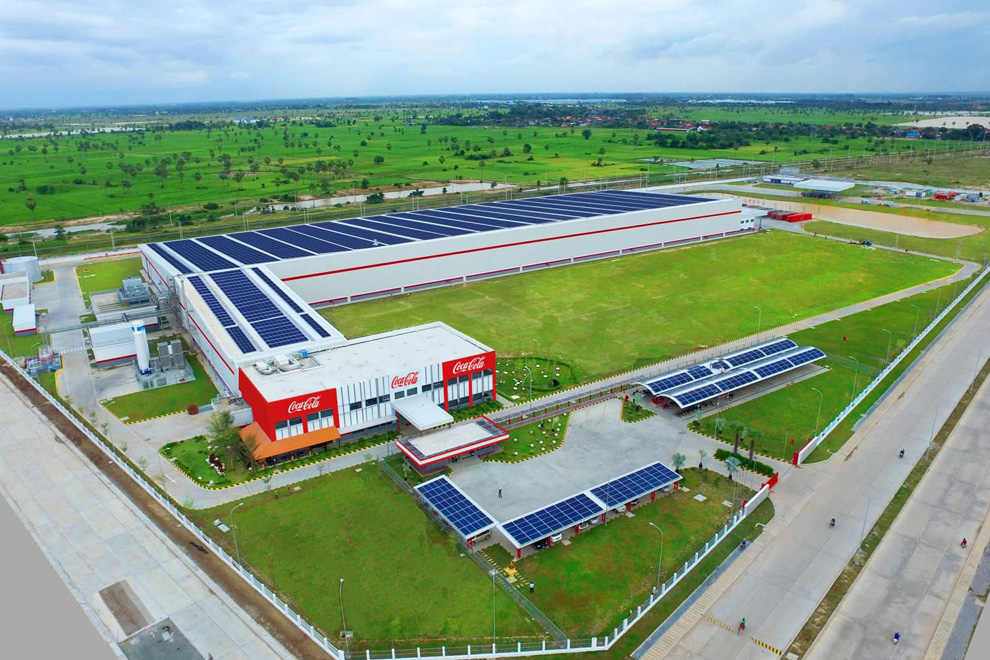
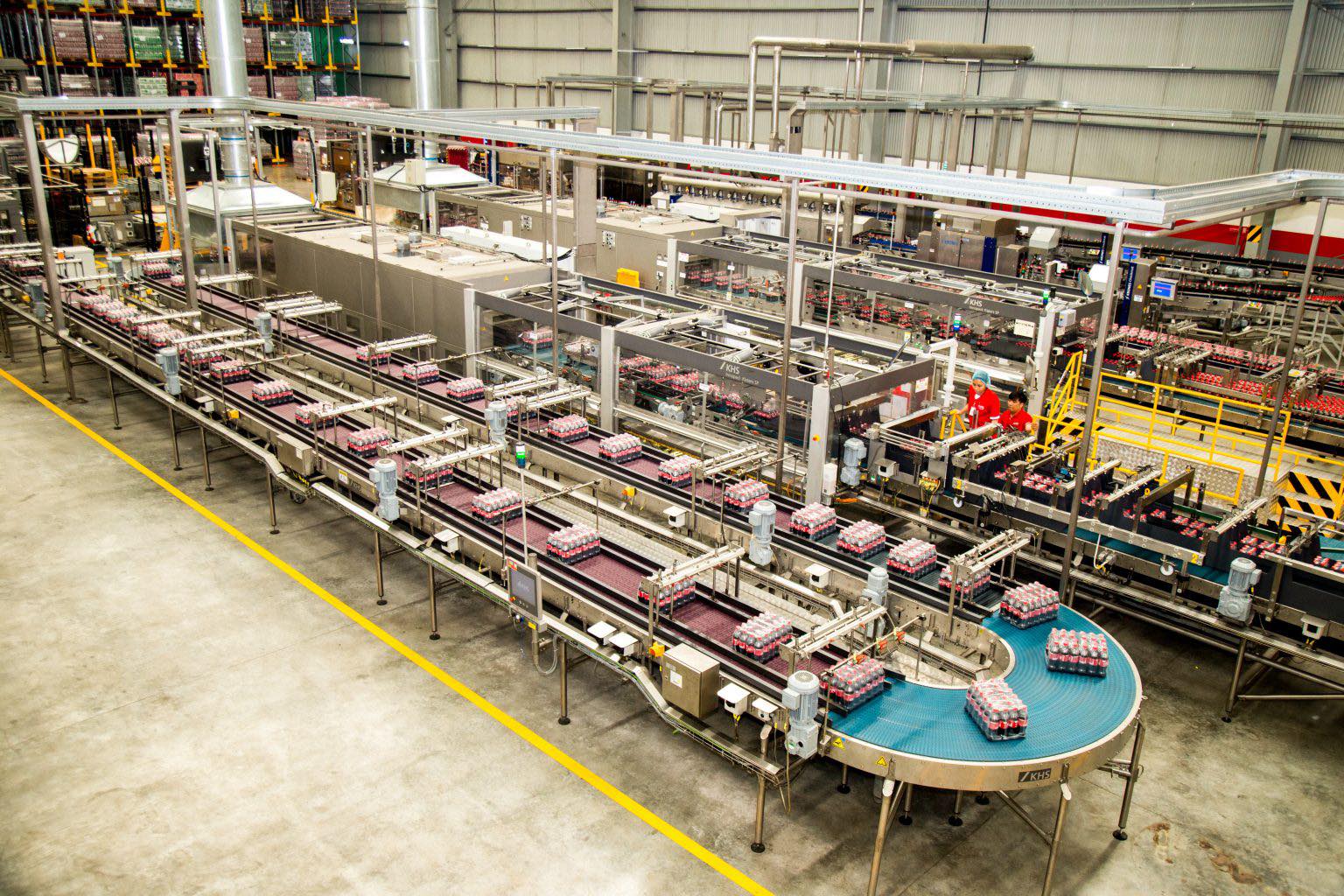
On the night of August 17, as the news of Coca-Cola dropping the popular star circulated widely on social media, Hun Sen issued a public message urging people not to act emotionally or hastily. He asked Cambodians to think rationally about the calls for a boycott, reminding them that while Coca-Cola is an American brand, the product is manufactured locally in Cambodia by Cambodians, creating jobs and generating tax revenue that supports the national economy.
“Dear fellow citizens, please stay calm and think deeply. First, we must ask: Did Coca-Cola terminate its contract with VannDa because of his patriotism? Then consider this: although Coca-Cola is an American brand, in Cambodia, it is produced locally by Cambodian workers. The tax paid from this production benefits Cambodia’s economy,” he said.
He warned that impulsive actions without thorough understanding could negatively affect Cambodia’s economy. If Coca-Cola were to pull out of the country, it would be Cambodia that suffers, not its adversaries like Thailand. He warned that Thailand had already tried to economically pressure Cambodia — through threats to cut electricity, internet and oil supplies — but in this case, Cambodia took pre-emptive action and stopped importing Thai goods first.
“I wouldn’t object if Coca-Cola were made in Thailand — then yes, people could stop drinking it. But if it’s produced in Cambodia, boycotting it harms us. We lose jobs, income for the people and tax revenue for the state. Beyond the economic side, there’s also the diplomatic angle. We risk turning America into our enemy, which could damage Cambodia’s trade and investment relations with the US. Don’t fall into the trap of our enemies,” he said.
He emphasised that even Thai companies investing in Cambodia should be preserved for national interest.
“I hope VannDa understands. Even if they ended his contract, he should endure for the benefit of the nation. VannDa represents the spirit of self-sacrifice for national interest,” he added.
On the morning of August 18, Hun Many, president of the Union of Youth Federations of Cambodia (UYFC), also took to social media, referencing Hun Sen’s message.
“Last night, we saw Hun Sen’s message to the people regarding recent events and calls to boycott Coca-Cola. Any actions taken should be carefully considered to avoid harming Cambodia’s long-term national interests. We must ask ourselves: are we falling into our enemies’ trap?” he asked.
“As I previously stated during a UYFC event: I understand the pain and patriotic sentiment behind the boycott of Thai products. We all suffer from what this war has brought upon our country and people. However, we must unite our spirit and clearly identify who the real enemy is — the ones responsible for the loss of peace in Cambodia since July 24, 2025, a situation that remains unresolved,” he added.
Many stressed that now is not the time for emotional reactions. The nation must focus on protecting its sovereignty, supporting the government and ensuring the safe release of the 18 detained Cambodian soldiers, as well as the reopening of border crossings (closed since June 7, 2025) to resume trade and return to normal life for everyday Cambodians.
“We must focus our voices and actions on defending our territory and supporting peaceful resolutions. Our collective voice strengthens the Royal Government and our brave armed forces,” he said.
“This united national spirit is our true strength. It powers the government and our army to resolve and end this war. Boycotting Thai products, driven by emotional pain, is understandable. But as Hun Sen said, we must think more deeply. We must continue building our national capacity and reduce actions that may weaken our long-term stability,” he continued.
