



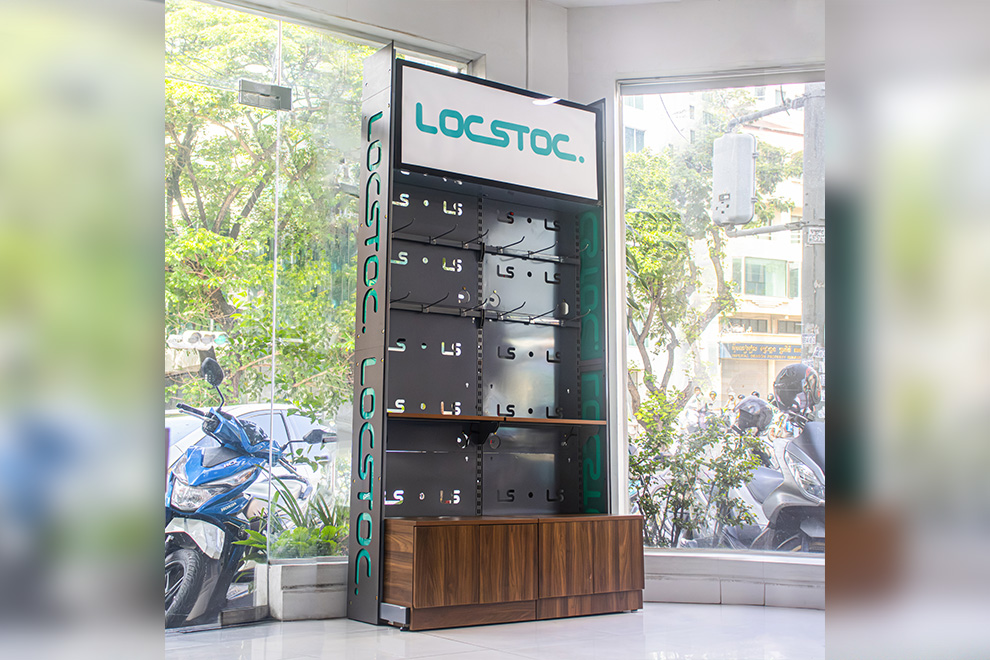
LocStoc Pte Ltd has begun its first operational rollout in Cambodia, introducing a retail-technology ecosystem that connects physical shelves, local retailers and digital commerce under one platform. The company’s aim is simple but ambitious; to modernise how brands and consumers meet, starting with the most fundamental unit of retail: the shelf itself.
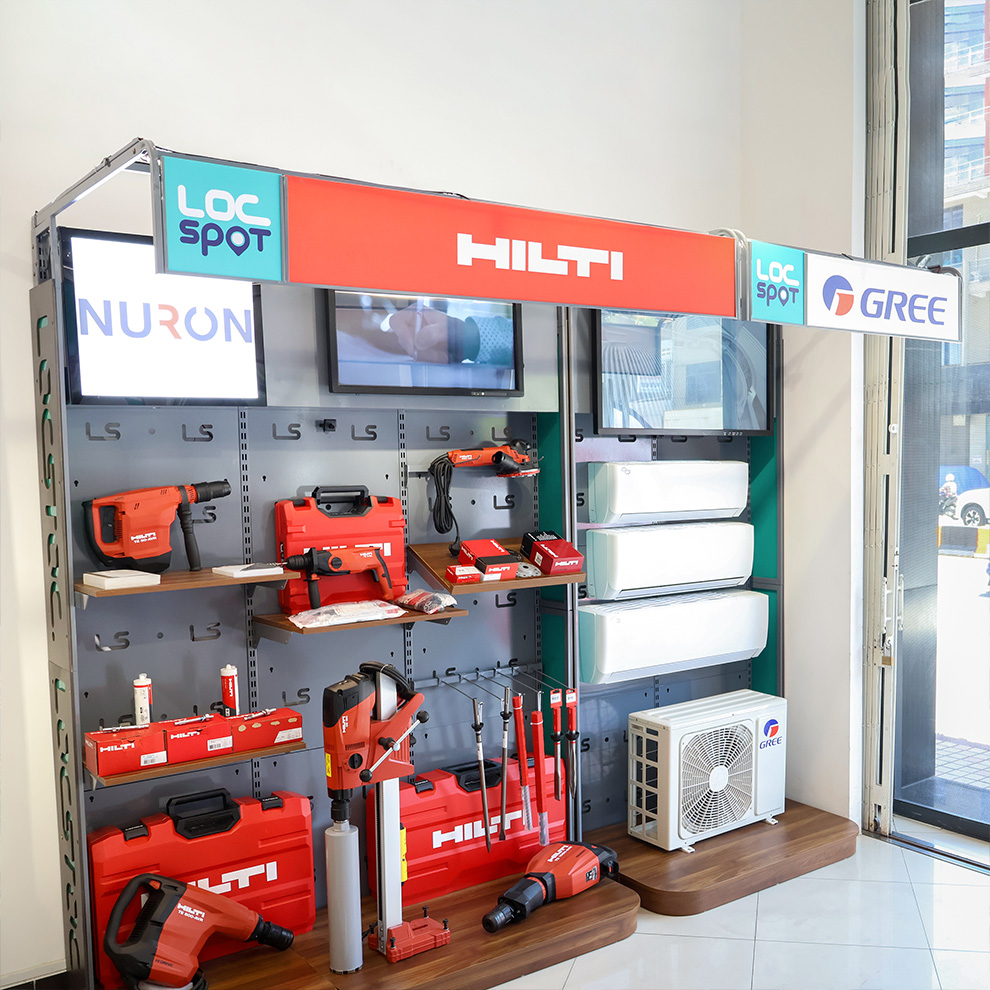
At the centre of the platform are LocSpots, smart shelves installed inside neighbourhood stores. Each shelf is IoT-enabled and linked to LocStoc’s software network, allowing brands to manage listings, monitor performance and rent
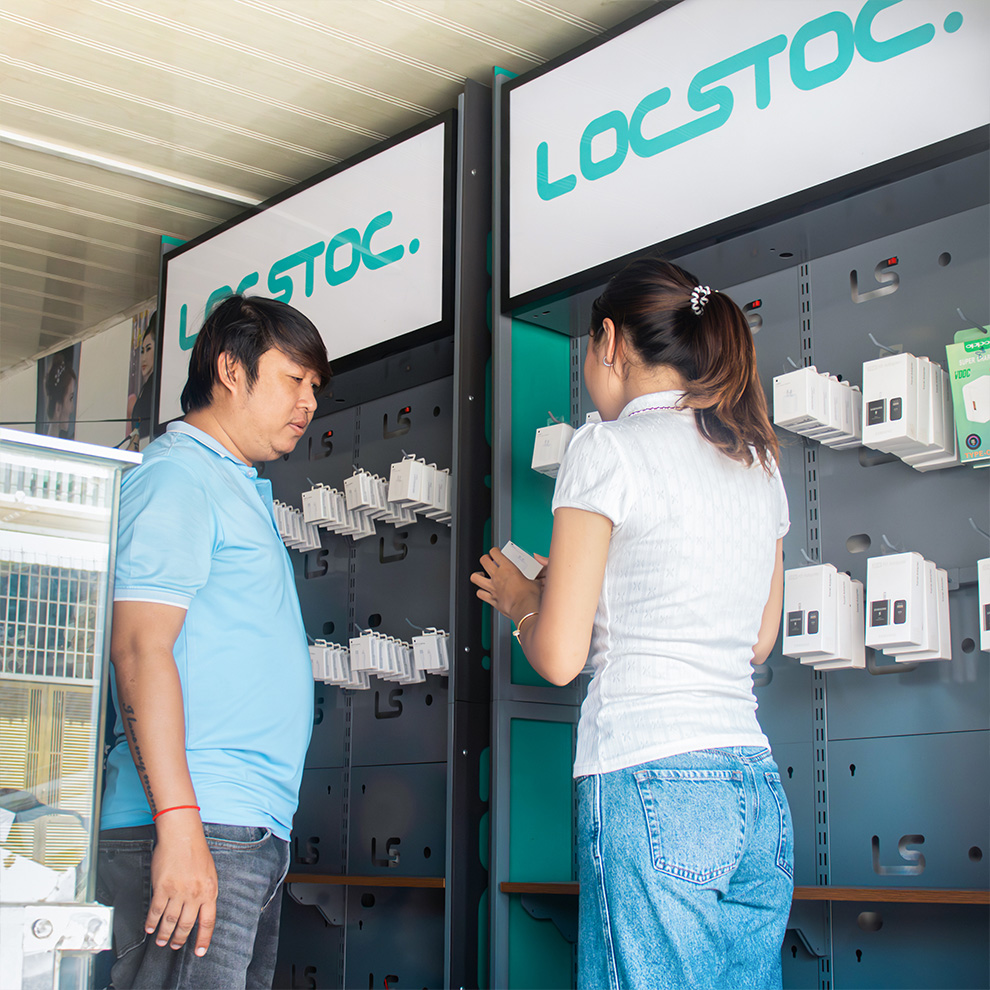
“We chose to start in Cambodia because modern retail here is still deeply personal,” said Kevin Chua, Chief Project Officer of LocStoc. “Our focus is to keep retail personal and local, built on shelves we create for real stores, each enabled by our technology so brands can reach consumers directly.”
Physical First, Digital by Design
LocStoc’s approach begins from the ground up. Rather than launching an app and later seeking physical reach, the company builds from tangible infrastructure outward. Each shelf is a host for products, a data source, a delivery point and a moment of real interaction, where consumers can see and experience products before deciding to buy.
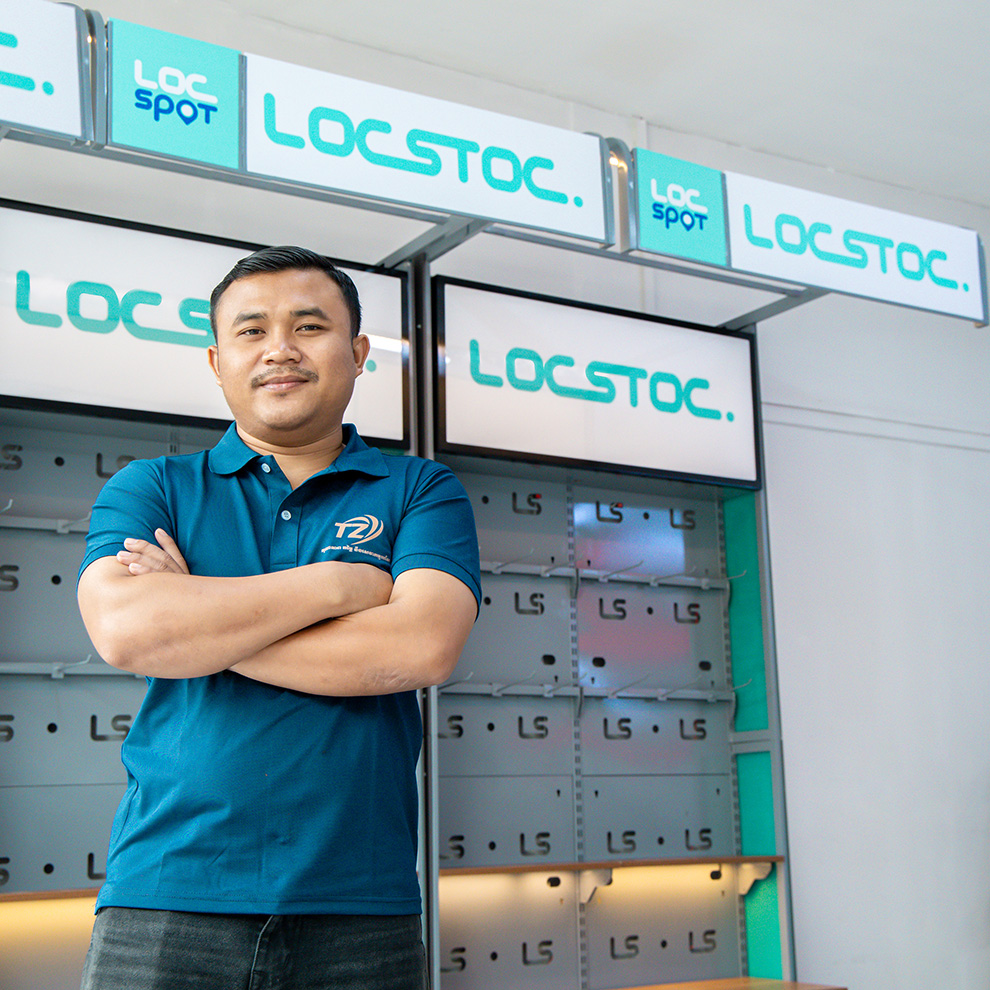
Retailers who host these shelves become part of a verified national network, while consumers use the LocStoc Shopping App to find nearby LocSpots. This “phygital shelf commerce” model bridges online convenience with offline reliability, a contrast to e-commerce platforms that often operate without local grounding.
Creating a Unified Retail Infrastructure
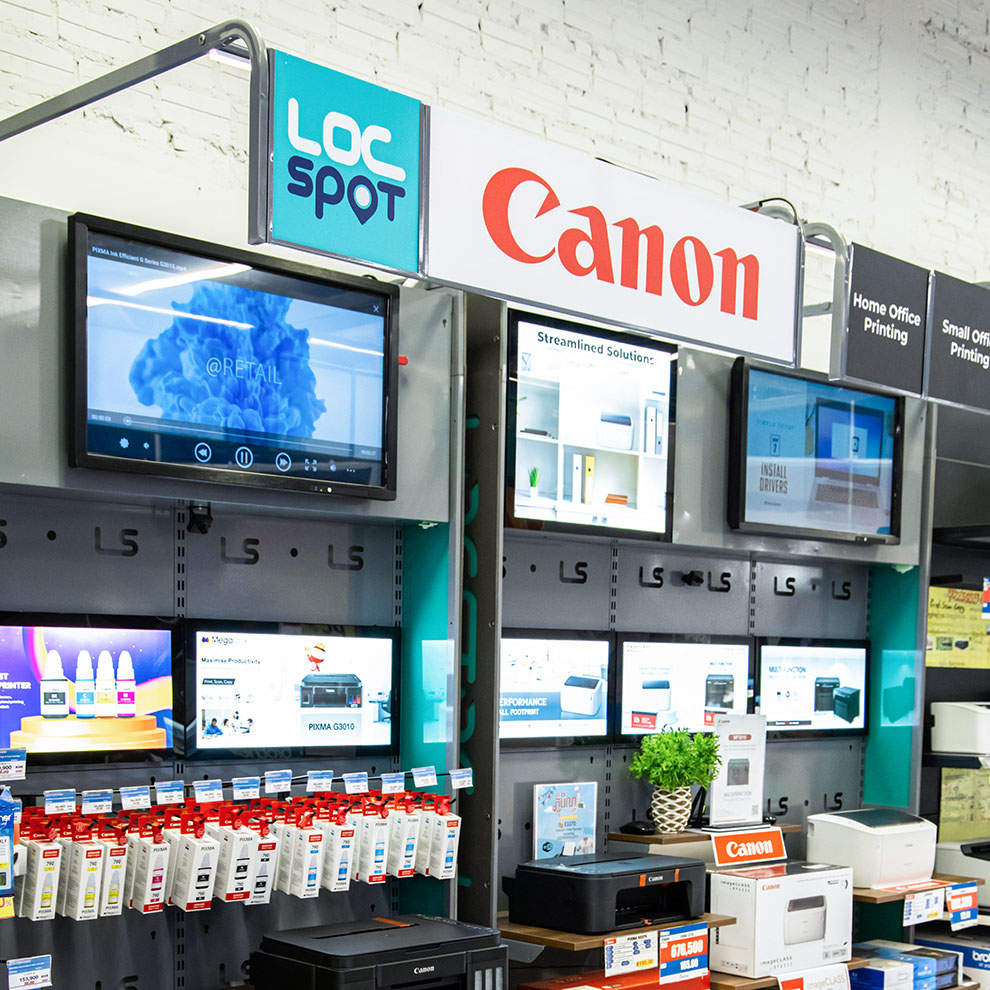
The platform is built around connected tools for every side of the retail chain. A central control panel lets overseas brands manage their shelves and plan campaigns remotely. Retailers use an app that links physical shelves to the online marketplace, while consumers locate nearby outlets where they can see and experience products in person. Together, these layers form a seamless bridge between brands and shoppers, built on real stores and real interactions.
The model’s value becomes clearer when seen through the eyes of small retailers who stand to gain new access to global brands. Theng Sokheng, owner of an electronics store in Phnom Penh and one of the first LocSpot hosts, said: “Small
shops like mine rarely get the chance to work directly with big brands. With LocStoc, I feel that opportunity is coming, where those brands could soon be on my shelves, and I’ll still be serving my own customers the same way.”
A Platform Built to Scale
While Cambodia marks its first market entry, LocStoc’s framework is designed for regional growth. The same shelves, data systems, and software can be replicated across markets such as Vietnam, the Philippines, and Indonesia with minimal change to the model. Each new installation adds to a growing pool of data and experience, strengthening the network and improving future performance.
“Every new shelf adds to what we learn,” said Chua. “As the network grows, it becomes easier for brands to enter new markets and for local retailers to benefit from that flow.”
A Sustainable Commercial Engine
LocStoc’s growth is anchored in the expansion of its physical network and the services built around it. The company positions its growth strategy around the steady build-out of physical infrastructure supported by digital services. The team describes it as a long-term approach that combines tangible assets and technology.
Chua said the focus was straightforward: “We’re building something that lasts. Real infrastructure, real partnerships, and a system people can rely on — that’s what gives the technology meaning.”
