



A total of 51 investment projects were approved by the Council for the Development of Cambodia (CDC) in August 2025, bringing the total number of registered investment projects in the first eight months of 2025 to nearly 500. This marks a significant increase over the entirety of 2024, which saw just over 400 projects registered.
According to a September 3 CDC press release, in August, the Cambodian Investment Board of the CDC approved 51 investment projects with a total capital investment of approximately $608 million, with the potential to create about 27,000 jobs. Cambodian investors took the lead, accounting for 45.48% of the total investment, followed by investors from China, Singapore, the UK and others.
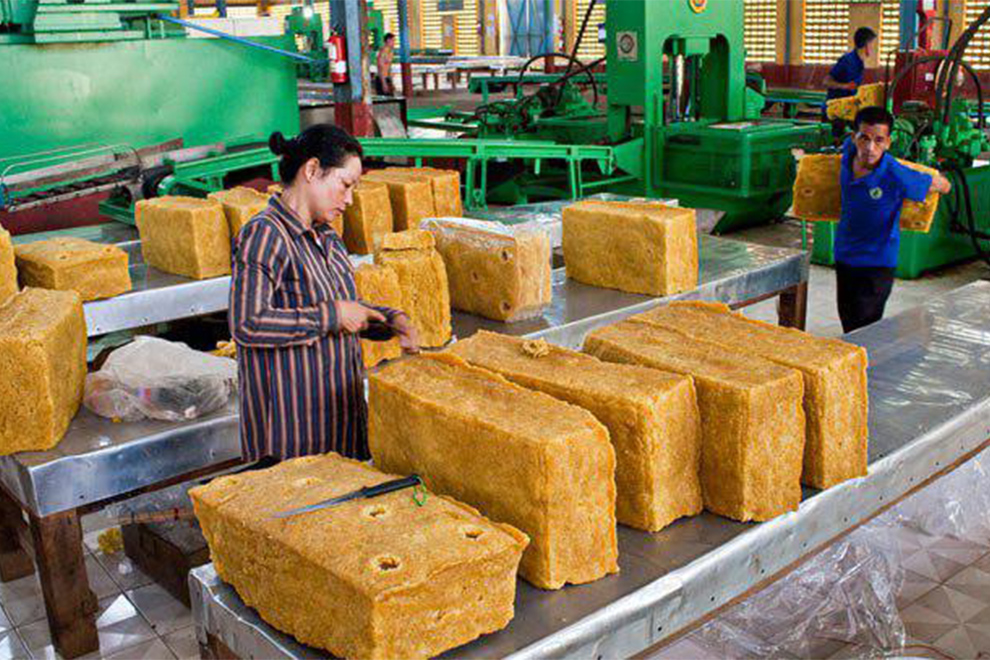
Among the approved investment projects, 35 are located outside of special economic zones (SEZs) — including major projects such as fruit processing plants and rubber processing factories — while 16 projects are within SEZs, such as factories producing construction steel structures, clean water production and purification facilities, electricity supply projects and hotels.
“In the first eight months of 2025, the CDC approved a total of 491 investment projects with a total investment capital of approximately $7.2 billion. This represents an increase of 204 projects, or about 71%, and a rise in investment capital of around $2.5 billion, or about 50%, compared to the same period in 2024,” noted the release.
Kampong Speu province received the highest number of investment projects with 117, followed by Svay Rieng with 113, Phnom Penh with 54, Takeo with 51, Koh Kong with 43, Preah Sihanouk with 38, Kandal with 35 and Kampong Chhnang with 15. Other provinces included Tboung Khmum, Kampong Cham, Battambang, Pursat, Ratanakiri and Mondulkiri.
Lim Heng, vice-president of the Cambodia Chamber of Commerce, told The Post that the large number of approved projects and investment capital reflects growing investor confidence in Cambodia’s market. He explained that Cambodia offers political stability and strong economic growth, and has entered into several free trade agreements (FTAs) with many countries, most notably China.
He added that improvements to the legal investment framework and transportation infrastructure are also becoming additional factors in attracting more investors.
“What is special now is the increasing influx of investment in medium and heavy industries. I expect that this number will continue to grow from now on,” he said.
He further noted that the government’s policy to promote Cambodia’s economic integration with countries around the world is another driving force behind encouraging more investors to bring capital into Cambodia.
