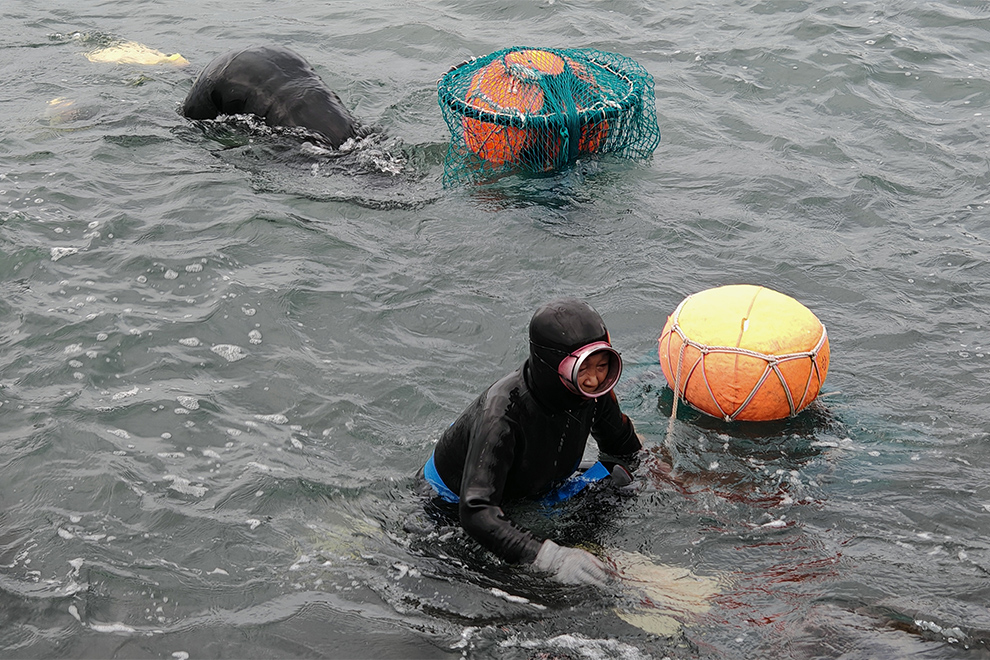
At 70, Lee Bok-Soo still descends into the cold waters off Jeju Island, holding on to a centuries-old practice that is now fighting for survival.
As one of only 35 haenyeo left in her village, she embodies both the pride and the profound hardship that define the island’s iconic free-diving women.
Haenyeo, known for harvesting seafood without oxygen tanks, have long been central to Jeju’s identity and economy.
Their skill, resilience and cooperative spirit earned global recognition, including UNESCO Intangible Cultural Heritage status.
Yet the tradition now stands on the edge of extinction as younger generations turn away from a profession marked by physical strain and economic uncertainty.
“The government tries to support us with medical fees and one diving suit a year,” Lee said, noting additional efforts such as the Haenyeo Museum in Seongnam Port. “We are doing everything we can to preserve this tradition so it can be passed on.”
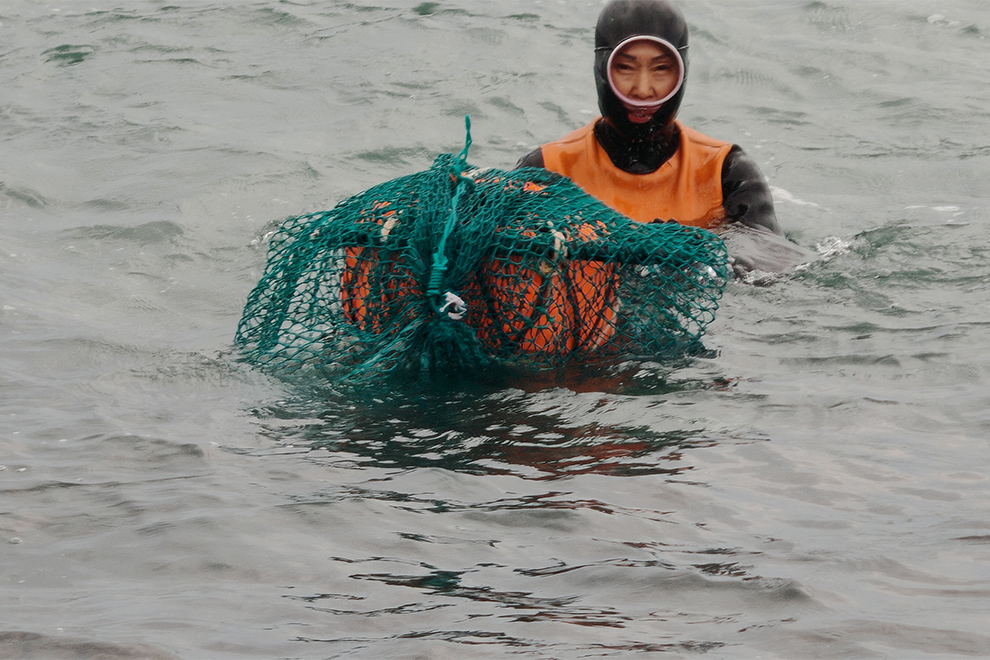

But the numbers tell a stark story. The oldest diver in the village — a male haenyeo, or haenam — is 88, while the oldest woman is 85.
Most working divers are about 65. Even newcomers, considered “young”, are already in their 50s. “Fifty-five is a young haenyeo now,” Lee said.
None of the children of local haenyeo have taken up the work, and the rare beginners mostly come from outside the community.
Lee says the reason is obvious: the work is punishing. The divers endure chronic headaches caused by pressure changes and frequent eye and nose problems requiring medical care.
To reach the depths, they strap heavy stone weights to their waists — two or three on good days, more than ten when the currents are difficult — placing significant strain on their backs.
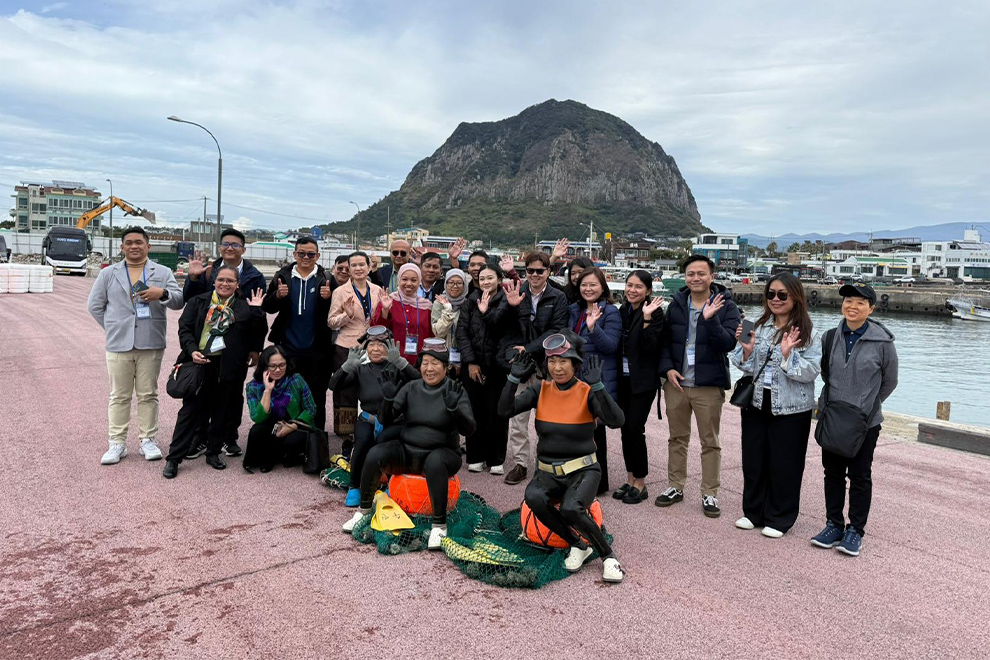
“We need a lot of physical therapy because of the pain,” she said.
Her own daughters have never considered following her path. “They saw how hard it is,” she explained. “Of course we can earn money, but it’s not a job I could recommend.”
Lee’s reflections reveal the emotional conflict shared by many haenyeo: pride in their heritage, fear of its disappearance and a deep recognition of the suffering it demands.
“It’s a mix of poverty and other complicated feelings,” she said. “I want the tradition to continue, but I know too well how difficult the life of a haenyeo is.”
Her honesty extends to her own regrets. “If I could live again, I don’t think I would come here,” she admitted softly.
“I never worked in an office. I wish I had studied more and worked at a company. I learned diving when I was very young, and that became my life. But it has been such a hard journey,” she conceded.
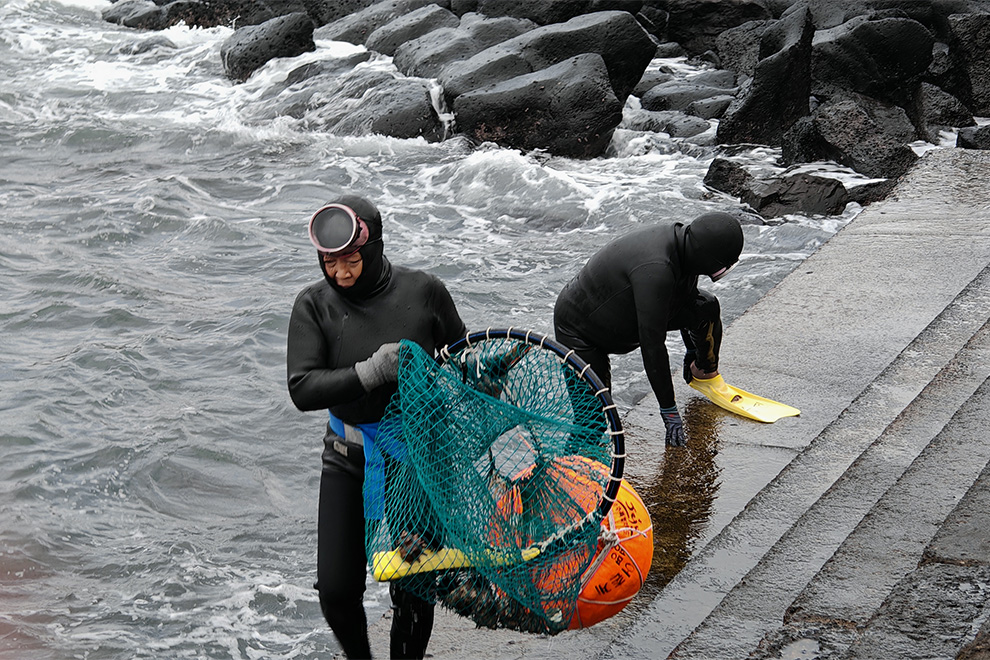
With only three beginners currently training in the village — one progressing well, another struggling — Lee knows the future of the haenyeo hangs in delicate balance.
As she prepares for yet another dive, her story stands as both a tribute and a warning: Jeju’s sea women are diving against time, and once they are gone, a vital chapter of Korea’s cultural heritage may vanish with them.