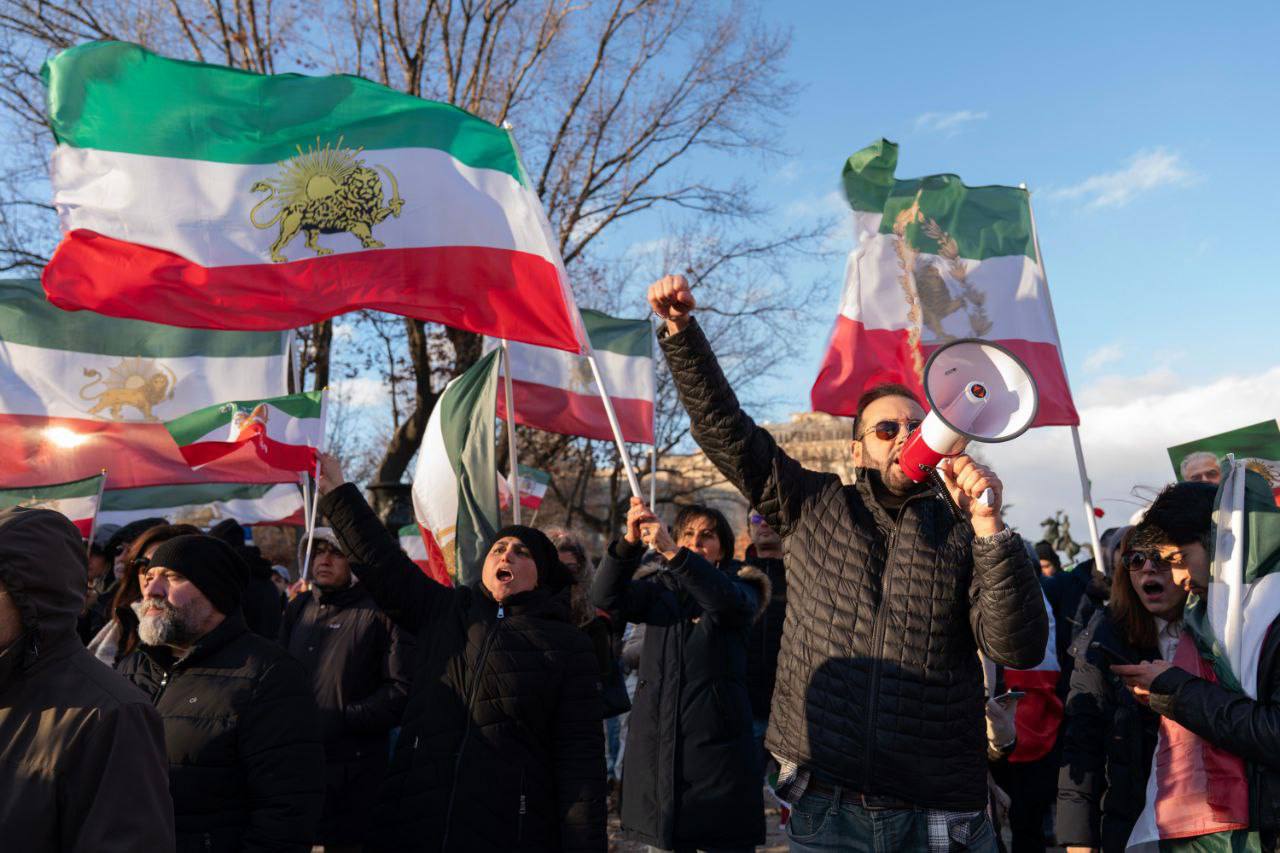
Iran has been gripped by a wave of protests as citizens take to the streets demanding freedom from decades of religious repression and relief from worsening economic hardship. What began in late December over the collapse of the Iranian currency and soaring prices for basic goods has evolved into a broader uprising against the political system, reflecting frustration with corruption, inequality and strict religious controls.
Students, workers and ordinary citizens have risked arrest and even death to demand fundamental rights. Security forces have responded with a harsh crackdown. The US-based Human Rights Activists News Agency (HRANA) reports that more than 500 people have been killed since the protests began, including both protesters and security personnel, with over 10,000 arrests nationwide. Reuters confirmed these figures, though independent verification is difficult due to restricted access.
Authorities have intensified the crisis with a near-total internet blackout and rolling power outages, cutting off communication and limiting the flow of information. CNN reports that the shutdown has made it nearly impossible for citizens to share news with the outside world, while hospitals struggle to care for waves of injured protesters.
Despite these restrictions, fragments of video and testimony continue to emerge, showing armed forces firing on residential streets, overwhelmed medical facilities and families desperately searching for missing relatives.
Iran’s leadership has sought to delegitimize the protests, blaming “rioters” allegedly supported by foreign powers.
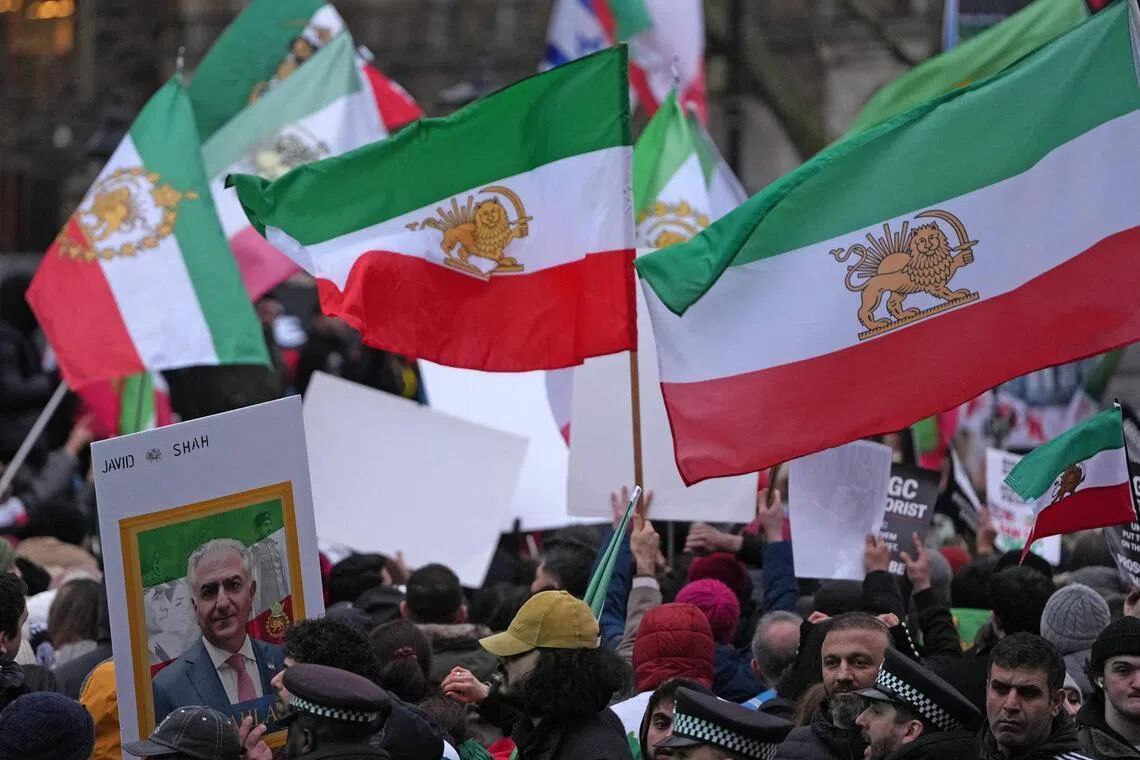

Supreme Leader Ayatollah Ali Khamenei described demonstrators as “vandals”, and the Islamic Revolutionary Guard Corps claimed some of the dead were linked to extremist groups, a claim widely rejected by international observers. Rights groups warn that such rhetoric is used to justify excessive force against citizens whose only demand is the ability to live with dignity and freedom.
The protests reflect not only economic despair but also a deep desire for personal and political liberty. For many Iranians, the demonstrations are an expression of long-suppressed anger at a system that restricts speech, punishes dissent, and imposes strict religious controls over daily life.
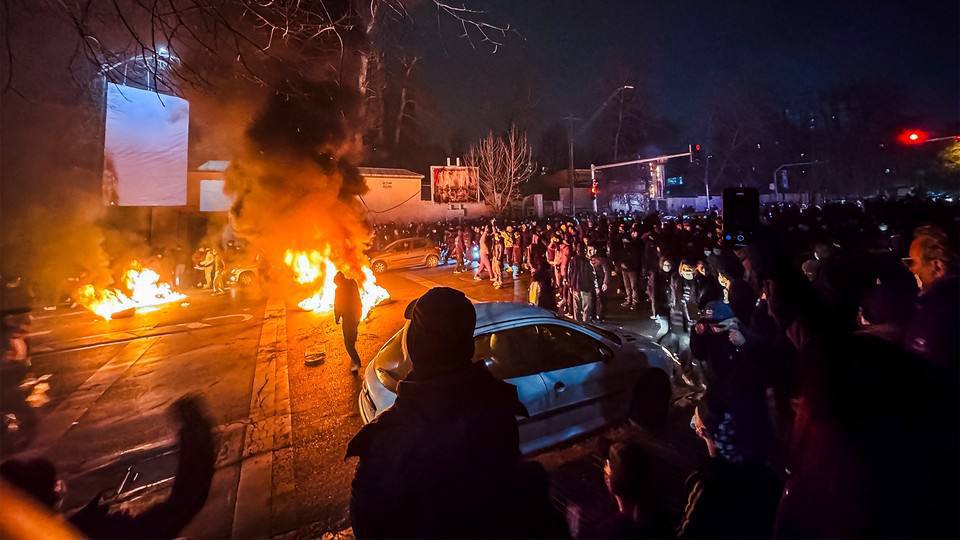

International human rights organisations and foreign governments have called for restraint, the restoration of communications and respect for basic human rights.
As the unrest continues, Iran faces a mounting humanitarian crisis. The combination of lethal crackdowns, mass arrests, blackouts and economic hardship has created a climate of fear and uncertainty. Yet despite the risks, Iranians continue to protest, demanding not just survival, but freedom, dignity, and a future beyond oppression.


The world must not turn away. The international community has a responsibility to act, to support Iranians who are courageously seeking peace, justice and an end to decades of repression, and to ensure that their voices are not silenced.