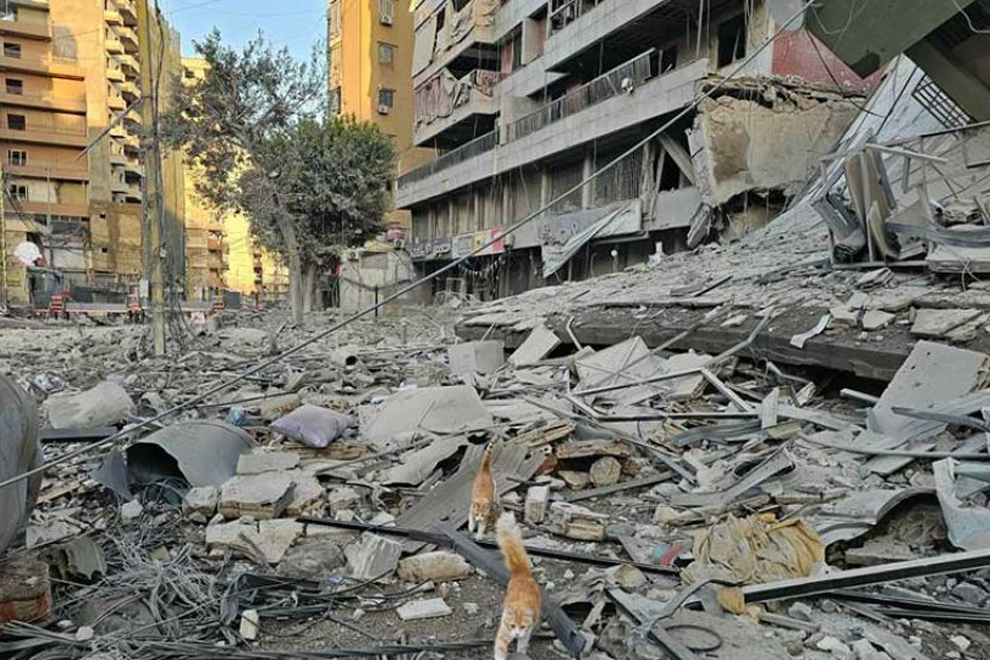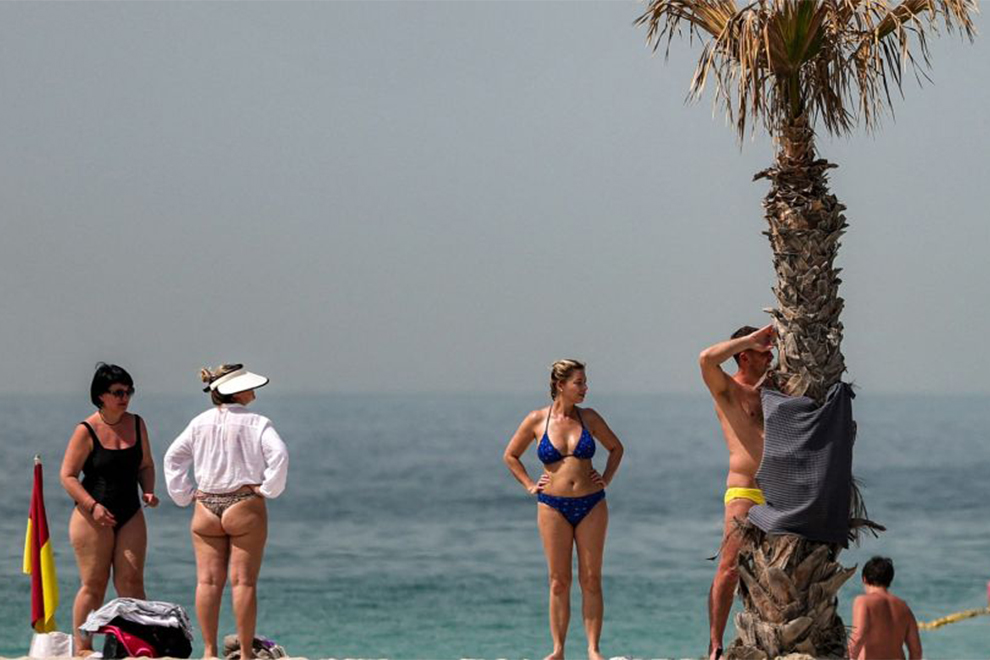
NEW DELHI – As tensions spiral in West Asia amid the US-Israel war on Iran, the United Arab Emirates has been put in an unenviable position. It is geographically close to the conflict, strategically tied to Western allies, and demographically in a spot unlike any other country in the world.
If Iran expands its retaliatory strikes across the Gulf, the UAE could quickly transform from a global aviation hub into the epicentre of the largest civilian evacuation challenge of the 21st century.
Nation with highest % of foreign nationals
The UAE has one of the highest proportions of foreign-born residents globally. Of its estimated 11.3 million residents in 2025, more than 10 million are expatriates, accounting for roughly 88-89% of the total population.
Estimated foreign-born population by nationality:
- India: 37.96% (approximately 4.1 million)
- Pakistan: 16.72%
- Bangladesh: 7.38%
- Philippines: 6.1%
- Iran: 4.72%
- Egypt: 4.23%
- Others: 8.46%
Indians alone represent the single largest expatriate community, making the UAE home to one of the biggest overseas Indian populations anywhere in the world. For countries like India, Pakistan, Bangladesh, and the Philippines, any instability in the UAE instantly becomes a domestic political and humanitarian concern.
In times of stability, this globalised model powers prosperity. In times of war, it becomes a logistical and diplomatic puzzle of staggering proportions.
Overall population growth
The UAE’s population growth has been dramatic. In just four decades, the population multiplied more than elevenfold. But what makes the UAE uniquely vulnerable in a regional war is who makes up this population.
- 1980: 1.0 million
- 1985: 1.4 million
- 1990: 1.8 million
- 1995: 2.4 million
- 2000: 3.1 million
- 2005: 4.5 million
- 2010: 8.2 million
- 2015: 9.1 million
- 2020: 9.3 million
- 2025: 11.3 million
A strategic target
The UAE hosts critical infrastructure, energy facilities, ports, and major US-linked assets. Its global aviation hubs, especially in cities like Dubai and Abu Dhabi, handling millions of passengers every month.
In the event of missile or drone attacks from Iran, even limited strikes could shut down airspace, paralyse commercial aviation, and disrupt ports and logistics.
Unlike countries with large citizen populations who may choose to stay, the UAE’s expatriate-heavy demographic means millions could attempt to leave simultaneously.
- Sheer Volume
Evacuating even 10–20% of the foreign population would involve moving over one million people, equivalent to relocating a small nation. - Airspace Dependency
The UAE is an aviation hub. If airspace becomes contested or restricted, outbound evacuation capacity collapses instantly. - Limited Land Routes
Unlike countries with multiple land corridors, evacuation options are constrained. Sea evacuations would require massive naval coordination. - Diplomatic Complexity
Dozens of countries would scramble to prioritise their nationals. Coordination between Gulf states, Asian governments, Western powers, and Iran would be fraught and politically sensitive. - Economic Shockwaves
A sudden mass departure would cripple sectors such as construction, retail, healthcare, and aviation, effectively freezing the country’s economy overnight.
The UAE’s vulnerability is not just about geography; it is about global interdependence. A crisis there would ripple across South Asia, global aviation networks, energy markets, and international trade routes.
Remittances from the UAE form a crucial income stream for millions of families in India, Pakistan, Bangladesh, and the Philippines. A disruption would hit household economies far beyond the Gulf.
ANN/The Statesman