Private sector investment supported by the Asian Development Bank (ADB) is helping strengthen Cambodia’s livestock feed supply chain and improve the livelihoods of farmers, as agribusiness expansion and technical training aim to boost local production and enhance food security.
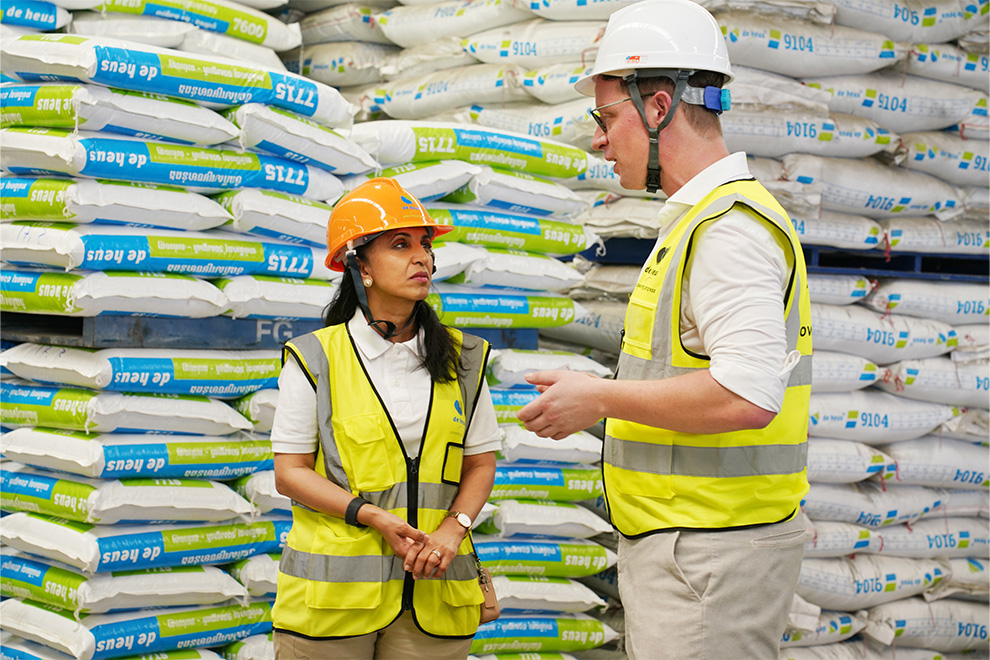
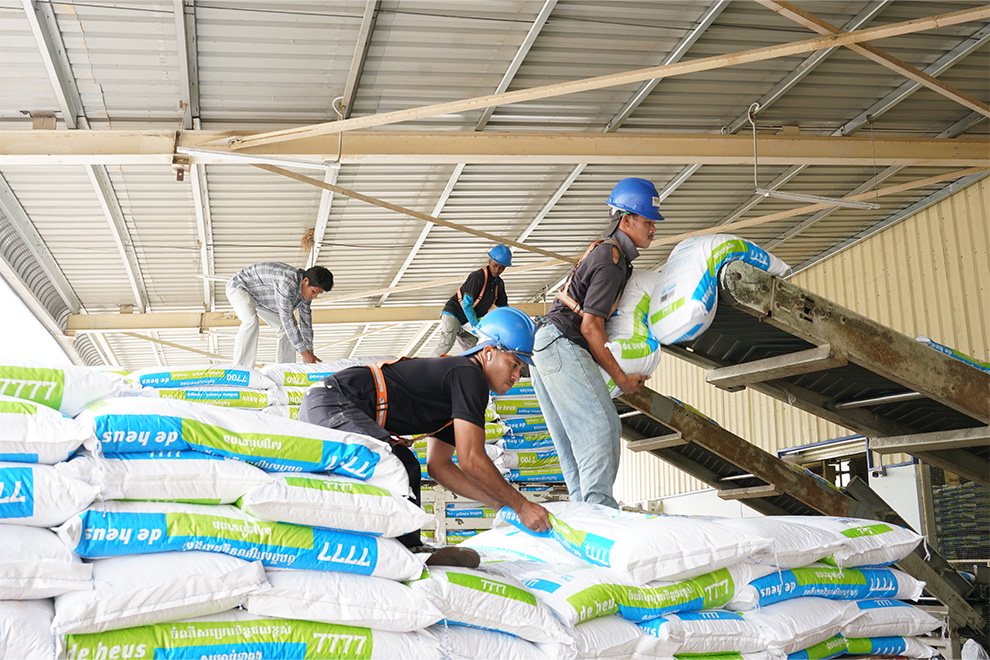
During a recent visit to the feed production facility of De Heus TMH Company Limited in Cambodia, the company general director Harry Schimmel said the partnership between the Dutch animal nutrition firm and local partners has contributed to building a stronger agricultural value chain that benefits farmers, distributors and consumers.
Schimmel noted that Cambodia’s total animal feed market is estimated at between one and two million tonnes annually, with his company holding around a 20 per cent market share.
“Our responsibility is to contribute to affordable feed so we can also make affordable meat,” he said.
“If we strengthen the value chain and improve the supply chain of raw materials, it will create a more competitive environment and help ensure that the majority of meat products remain produced in Cambodia,” he added.
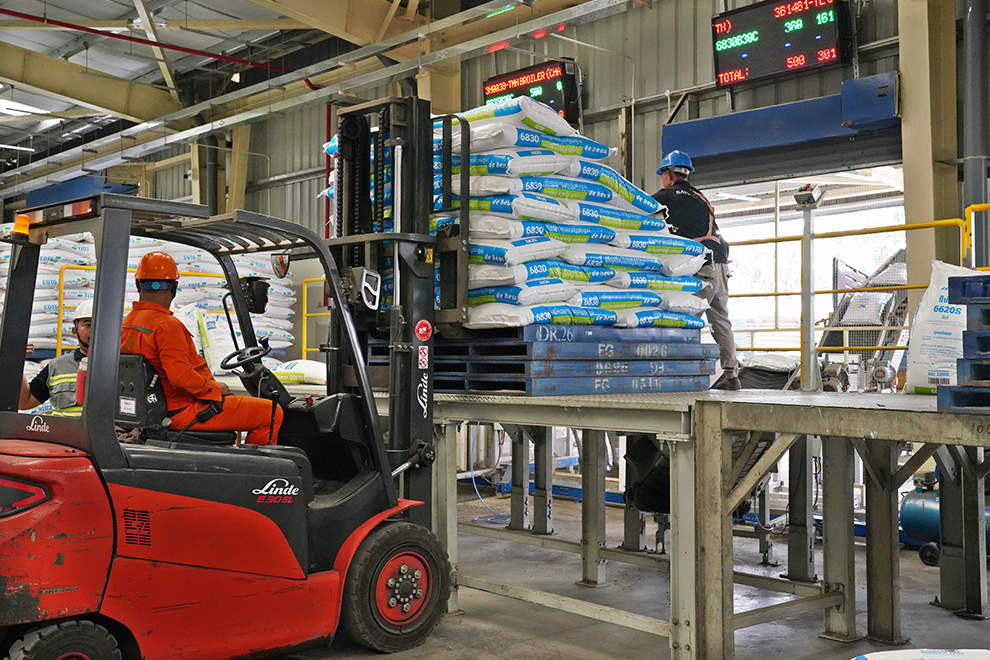
A joint venture between De Heus Animal Nutrition and local partner TMH, the company, based in Kampong Speu, began importing feed before investing in local production in 2018. The factory started operations in 2020 and has since undergone several expansions.
Schimmel said the company now employs more than 200 staff and works closely with farmers through technical sales and advisory services aimed at improving productivity.
The firm purchases about 18,000 tonnes of raw materials each month, with roughly half sourced locally and the remainder imported.
While Cambodia produces key inputs such as corn and cassava, Schimmel said supply remains seasonal and insufficient to meet year-round demand, highlighting the need for improved storage systems and supply chain investments.
“Corn and cassava are the main local raw materials used in feed production, but availability is limited to certain seasons,” he said.
“To fully depend on local supply, investments in storage and supply chain infrastructure will be important,” he explained
The company has also worked with ADB to provide technical assistance to farmers supplying feed ingredients.
According to Schimmel, around 2,000 farmers have received training in corn production and improved farming practices aimed at increasing productivity and strengthening local agricultural supply chains.

Yasmin Siddiqi, ADB country director for Cambodia, said the partnership demonstrates how private sector financing can help catalyse agricultural development while improving rural livelihoods.
ADB provided $10 million in working capital financing to the company in 2022 through its private sector operations, enabling it to scale up feed production and expand distribution networks.
“What is great to see is how the private sector can really catalyse the agriculture sector in the country,” Siddiqi said, noting that feed production plays a key role in supporting poultry and aquaculture farmers while improving household nutrition.
She added that training programmes linked to the project also help farmers adapt to climate change through improved seed varieties, better water management and safer storage practices.
“Farmers are learning about the new normal and how to adapt to climate change,” she said, adding that strengthening agricultural value chains is essential for both food security and rural incomes.
The Cambodian government has also been working to deepen links between feed producers and local crop suppliers in an effort to strengthen domestic agricultural processing.
In March 2025, Minister of Commerce Cham Nimul presided over the signing of a memorandum of understanding between her ministry and six animal feed companies — including De Heus — to promote the purchase of local agricultural raw materials.
Under the agreement, participating companies committed to collectively purchase 189,000 tonnes of maize, 81,600 tonnes of cassava, 51,130 tonnes of broken rice and 57,730 tonnes of rice husks from Cambodian producers.
Officials said the initiative aims to increase the use of domestic agricultural inputs, strengthen value chains and encourage investment in agro-processing industries.
Similar cooperation agreements were also signed later in 2025 with additional feed producers to purchase local red maize, cassava and other raw materials, as part of broader efforts to stabilise supply and support farmers’ incomes.
Private sector figures say the expansion of domestic feed production has already helped strengthen Cambodia’s livestock industry.
Agribusiness investor Mong Reththy has previously argued that producing animal feed locally helps reduce imports of finished feed and keeps more value within the domestic agricultural economy.
His group currently operates a feed mill with annual capacity of about 220,000 tonnes and spends roughly $40 million each year purchasing cassava and maize from Cambodian farmers.
The growth of feed mills and stronger supply chains has supported rapid expansion in Cambodia’s livestock sector, particularly pig farming, which has shifted from heavy reliance on imported animals in the past to meeting domestic demand and even exporting pigs to neighbouring markets in recent years.
As Cambodia’s agriculture sector faces rising climate risks and evolving market demand, both government and development partners say strengthening value chains — from crop production to feed processing and livestock farming — will remain central to improving food security and rural livelihoods.