Cambodia has urged global leaders and stakeholders to enhance their efforts to safeguard access to accurate environmental information, the challenges of ecological crises and the spread of misinformation.
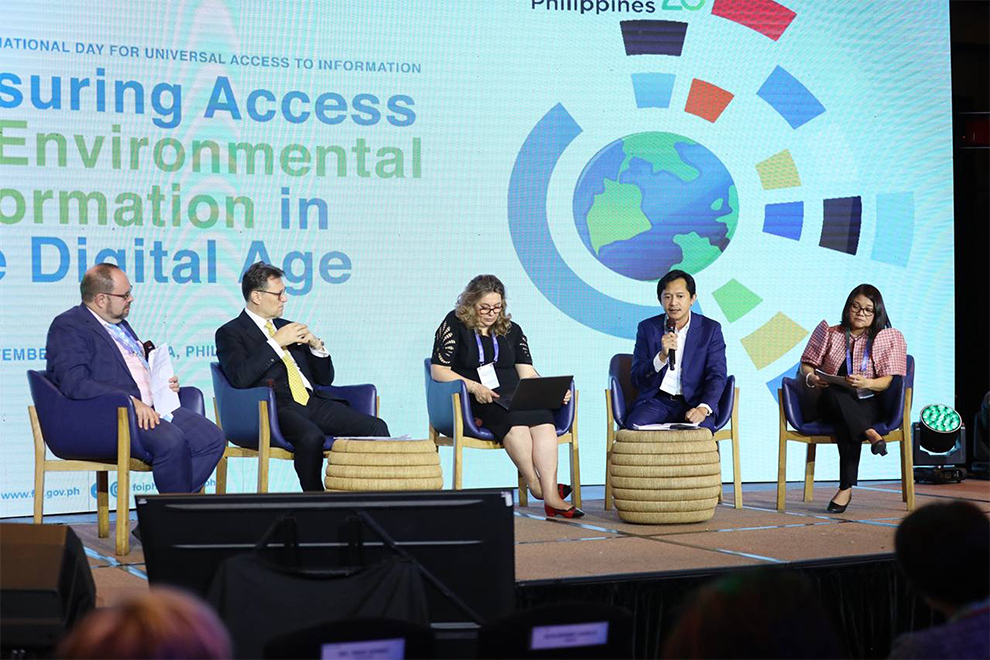
During the International Day for Universal Access to Information (IDUAI) 2025 conference, organized by UNESCO in Manila, the Philippines, Tep Asnarith, spokesman for Cambodia’s Ministry of Information, addressed the pressing issues of climate change, deforestation, biodiversity loss, pollution and natural disasters, compounded by the rise of false information, especially on social media platforms.
“Disinformation has increasingly emerged as a serious challenge, impacting safe and quality access to environmental information,” he told delegates, during a high-level panel commemorating the 10th anniversary of the Paris Agreement.
The request came just days after US President Donald Trump referred to climate change as a “con job” while addressing the UN General Assembly.
Asnarith emphasised that Cambodia’s Constitution enshrines the right to information. He noted that the Cambodia government has prioritised transparency in environmental matters, aligning with its commitments under the Paris Agreement and the Cambodia Sustainable Development Goals (CSDGs).
He highlighted that the government regularly shares data on forest cover, biodiversity, protected areas, waste management and pollution control. Daily updates from ministry spokespersons and provincial information offices, along with localised environmental news from provincial Departments of Information, further support these efforts.
To combat disinformation, Asnarith pointed to Cambodia’s “Say No to Fake News” campaign, led by the information ministry. This initiative promotes media literacy and grassroots engagement to shield citizens from misleading narratives. The ministry’s Anti-fake News Committee also actively monitors and verifies information, addressing false reports related to floods, droughts, forest cover and biodiversity.
“The honest and responsible use of information is vital to ensure it serves the public good and supports sustainable development,” he said.
He called for stronger collaboration between governments, journalists, media organisations, civil society, development partners and local communities to build resilience against disinformation and ensure the public receives reliable environmental data.
The UNESCO conference, co-hosted with the government of the Philippines, themed “Ensuring Access to Environmental Information in the Digital Age”, convened global delegates, UN officials, civil society and media leaders to explore how improved access to environmental information can advance climate action, disaster preparedness and sustainable development.