Cambodia has moved to proceed with on-the-ground border demarcation work on the Thai boundary, despite Bangkok postponing the request for a special meeting of the Joint Boundary Commission (JBC) for the second time, reinforcing Phnom Penh’s stance that technical cooperation must continue regardless of political delays.
In a statement issued on Wednesday, the State Secretariat of Border Affairs (SSBA) said the Thai side had again asked to delay the special JBC meeting. Cambodia had proposed that the meeting be held in Siem Reap during the second or third week of January.
Thailand cited the need to finalise “internal procedures to appoint a new composition of its JBC” following the formation of a new cabinet after the general election, scheduled to be staged in early February.
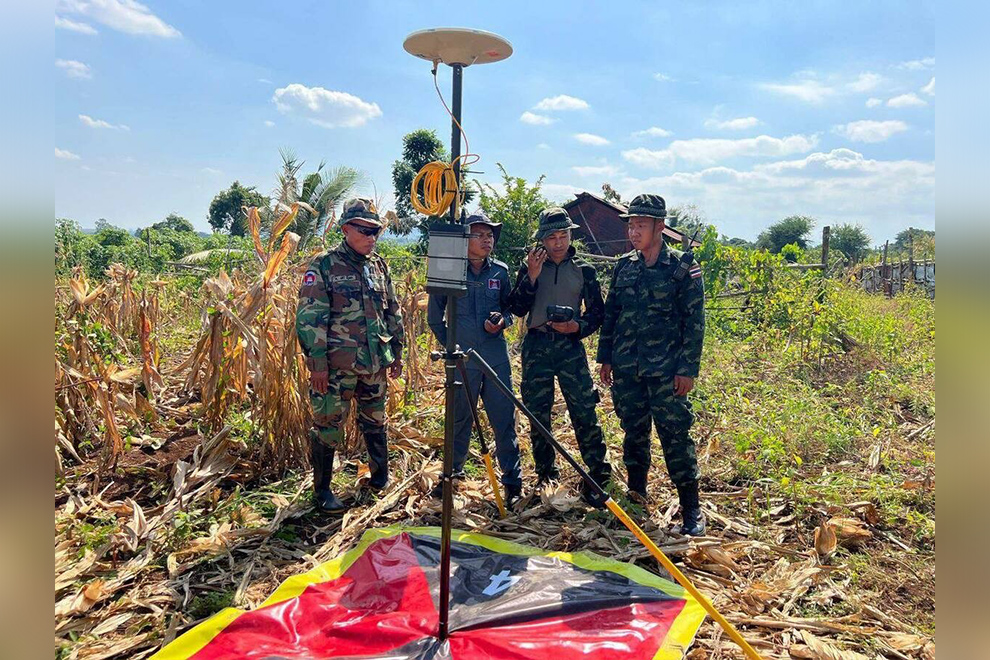
Rather than waiting for the high-level meeting to proceed, Cambodia has formally requested the immediate deployment of Joint Survey Teams (JSTs) from both countries to resume field work along agreed boundary segments.
According to the SSBA statement, Cambodia sent a diplomatic note to Thailand on January 13 requesting that the joint survey teams resume work between Boundary Pillars 42–47 and 52–59 on any suitable date between January 19 and 23, allowing technical teams from both sides to coordinate directly on timing and locations.
“The dispatch of the Joint Survey Teams on the terrain to continue the field works will be carried out in full compliance with the agreed procedures and technical instructions,” it said.
It stressed that the request aligns with the agreed minutes of the Special Meeting of the Cambodia–Thailand Joint Boundary Commission held on October 22, 2025, in Chanthaburi province, Thailand.
Cambodia requested that the joint teams return to the field between January 26 and 30 to replace 15 boundary pillars at locations previously agreed upon by both sides.
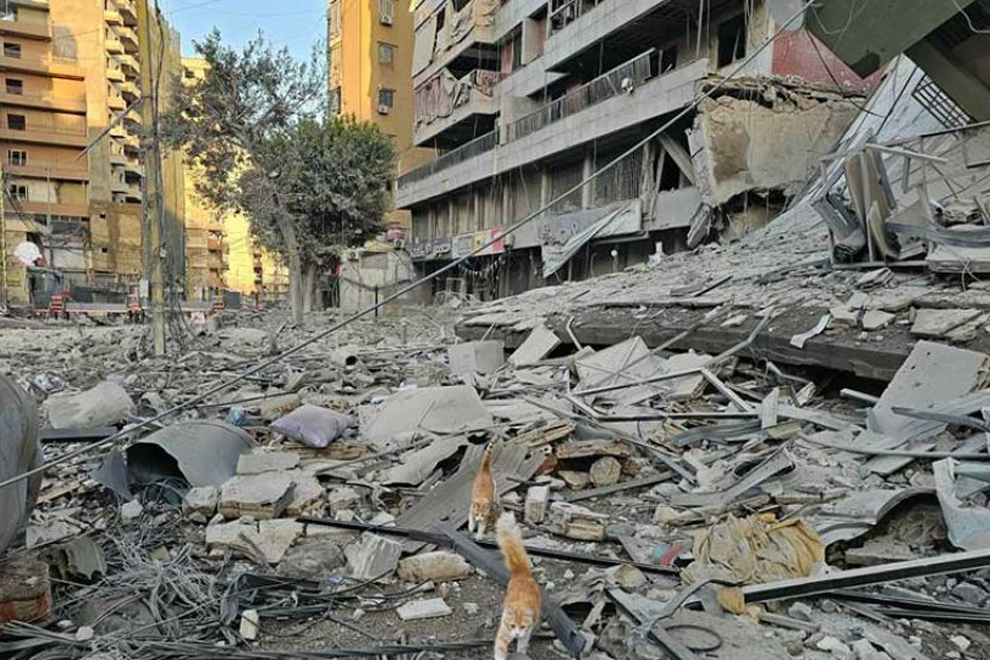
Work on these boundary segments began in November 2025 but was suspended on December 8, after what Cambodia described as acts of aggression against its sovereignty and territorial integrity.
The statement cited remarks by Thai Prime Minister Anutin Charnvirakul earlier this month acknowledging that, during Thailand’s caretaker period, formal JBC meetings could not proceed because the chair’s term had ended with the government’s mandate.
“However, he noted that working-level mechanisms remain active, saying that “working-level teams… are still continuing their tasks.”
Reaffirming its legal position, Cambodia said it continues to safeguard the Cambodia–Thailand international boundary in accordance with international law, the principle of the intangibility of frontiers, historical Franco–Siamese conventions and treaties, and officially recognised maps and records of previous boundary commissions.
In a firm warning, the Cambodian side said it “will not recognise any alteration of the boundary line resulting from the use of force”, while reiterating its readiness to continue surveying and demarcation work with Thailand at the earliest opportunity in pursuit of lasting peace along the border.
The secretariat called on the public to place full trust in the Royal Government of Cambodia and the Cambodian side of the JBC, saying they continue to uphold professionalism, responsibility and the supreme national interest, particularly in safeguarding territorial integrity and national sovereignty.