



Cambodia has rejected what it described as misleading portrayals in Thai media regarding recent diplomatic engagement over Preah Vihear Temple, as international experts confirmed extensive and worsening damage to the UNESCO-listed site following armed incidents in 2025.
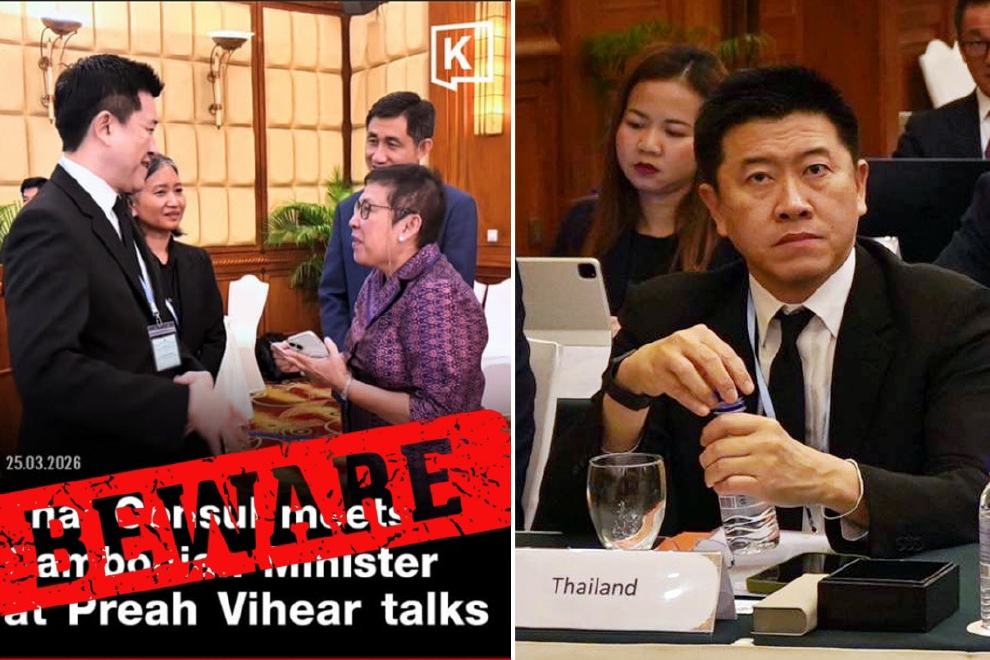
Ministry of Culture and Fine Arts spokesman Som Map said a widely circulated image used by Thai outlets did not reflect any formal or substantive discussion between the two sides.
“The photo used by Thai media was of a late-hour courtesy meeting between the Thai Consul-General and Minister of Culture and Fine Arts Phoeurng Sackona. It was simply an introduction,” he told The Post.
“This brief meeting did not discuss anything related to the matter, nor was there any official exchange through that encounter,” he said.
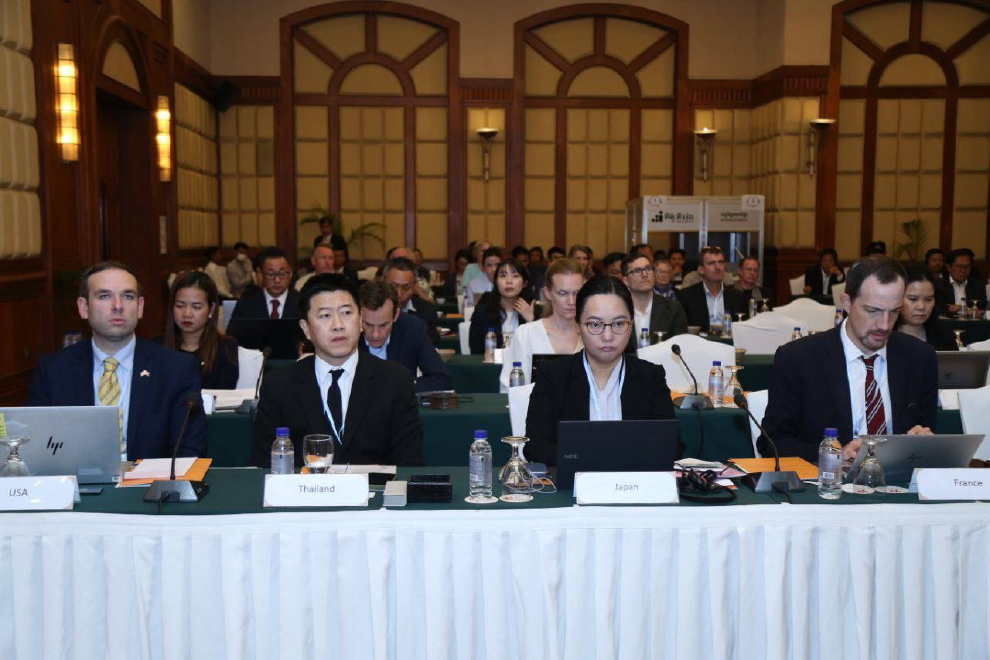
His remarks come after Thailand publicly reaffirmed its “commitment to cultural heritage protection” during the 11th plenary session of the International Coordinating Committee for the Conservation and Enhancement of the Temple of Preah Vihear (ICC-Preah Vihear), held in Siem Reap on March 19.
According to Map, the outcome of the ICC meeting reflects a far more serious reality on the ground, with international specialists who conducted site visits expressing shock at the scale of destruction.
“Each of the experts who inspected the temple was shocked and saddened that such a magnificent structure was damaged by weapons of war. It is unacceptable that the property has been damaged by armed conflict,” he said.
“The meeting discussed urgent measures to restore, repair and protect the temple from further attacks,” he added.
The Preah Vihear Temple, a UNESCO World Heritage site, sustained damage to at least 562 points following two separate incidents in July and December 2025, according to preliminary assessments presented at the ICC session.
The damage affects structural integrity, carvings and key sections across the complex.
Map noted that culture minister Phoeurng Sackona personally visited the site following the meeting and found the situation to be even more severe than initial reports suggested.
“According to the minister, the actual situation is much worse than our earlier assessment. A detailed evaluation is now being carried out,” he said.
Prior to the plenary session, international ad hoc experts conducted field missions to Preah Vihear and Koh Ker on March 16 and 17 to assess conservation conditions and prepare recommendations.
A separate technical advisory mission by UNESCO and ICOMOS earlier this month also evaluated the temple’s state of conservation and is expected to submit its report to Cambodian authorities.
Map said the ICC mechanism will continue documenting the damage using modern technologies, including scanning techniques, to determine the full extent and nature of the destruction.
He added that urgent measures are already underway, including mobilising technical and financial support for immediate repairs, clearing unexploded ordnance to ensure safety and preparing comprehensive risk assessments for the site and surrounding areas.
“The ICC-Preah Vihear mechanism is also examining ways to prevent further attacks, while Cambodia continues to pursue both technical and legal measures,” he said.
The ICC session, co-chaired by China and India, brought together representatives from several member states, including Belgium, France, Japan, Thailand and the US, along with international experts and institutions.
Participants reaffirmed their commitment to supporting Cambodia in safeguarding the site for future generations.
The meeting participants outlined a series of emergency measures, including the clearance of unexploded ordnance to ensure safe conservation work, the preparation of a comprehensive risk assessment for the temple and surrounding areas, and the systematic documentation of damaged structures and artefacts.
While the Thai delegation emphasised the importance of dialogue, mutual respect and adherence to international frameworks such as the 1972 World Heritage Convention, Cambodian officials have underscored the need for accountability and stronger protection measures following the recent damage.
The temple, perched along the Cambodia–Thailand border, has long been a symbol of cultural heritage and past tensions.
Cambodian authorities reiterated that under international conventions, all parties are obligated to protect cultural property and refrain from targeting heritage sites under any circumstances.
