



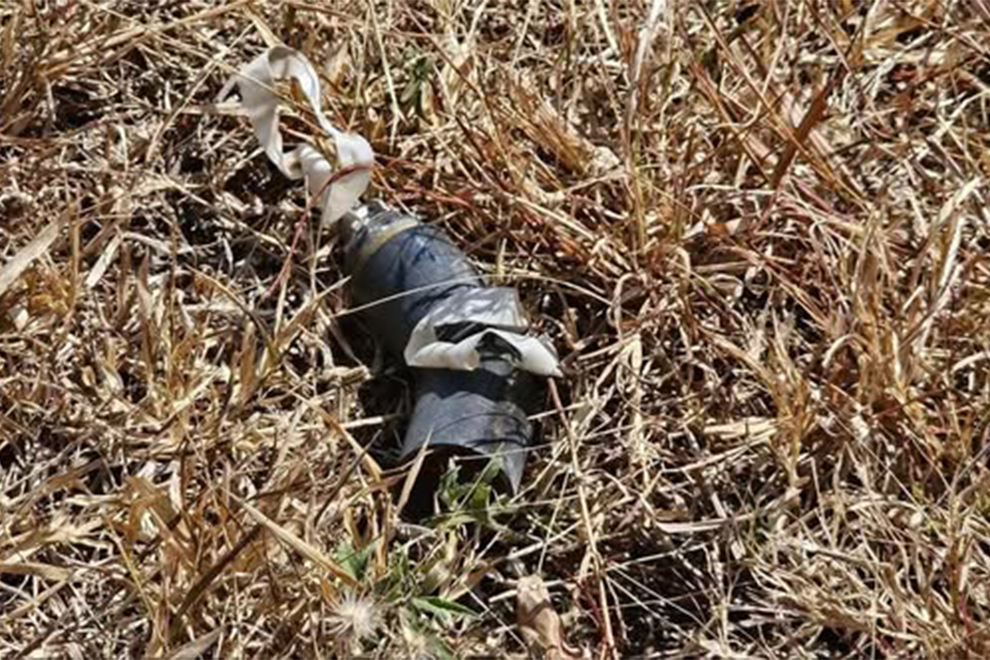
Cambodian authorities have expressed serious concerns after a cluster munition explosion injured three civilian workers in Oddar Meanchey province, underscoring the enduring humanitarian threat posed by explosive remnants of war (ERWs) left from past Thai aggression in the area.
The blast occurred on January 29 along National Road 58 in Bosthom village, Kokpos commune, Banteay Ampil district, as employees of the SN company were installing electricity lines.
The explosion left three workers injured, some seriously, according to the Cambodia Mine Action and Victim Assistance Authority (CMAA).
In a statement, the CMAA said the incident involved a cluster munition and warned that such weapons continue to pose indiscriminate dangers to civilians.
“The incident occurred while the victims were carrying out their work,” the CMAA said, adding “This tragedy highlights the severe and non-discriminatory danger caused by cluster munitions remaining from the war.”
The CMAA extended its condolences to the injured workers and their families, adding that it is ready to support coordination for medical treatment, rehabilitation and other victim assistance.
The explosion, CMAA said, reflects a reality Cambodia has long emphasised: the humanitarian consequences of cluster munitions persist long after conflicts have ended.
Despite the absence of active fighting, explosive remnants of war continue to threaten lives, disrupt livelihoods and hinder development for decades.
“The victims of these weapons are not soldiers,” the CMAA noted, “but civilians — farmers, labourers and children — who encounter these dangers during their daily activities.”
The authority called for urgent and sustained attention to the humanitarian impact of cluster munitions and other ERWs, stressing that clearance operations, explosive ordnance risk education and victim assistance remain essential to protecting affected communities.
The CMAA urged government agencies, private companies and development partners operating in former conflict zones or border areas to coordinate closely with the Cambodian Mine Action Centre (CMAC) and other mine action operators before undertaking any activities on the ground.
Survey, research and clearance, it said, remain the most effective measures to prevent further casualties.
Cambodia reaffirmed its commitment to addressing the legacy of ERWs in a responsible and humanitarian manner, pledging continued cooperation with national and international partners to reduce risks and safeguard communities still living with the hidden dangers of past conflicts.
