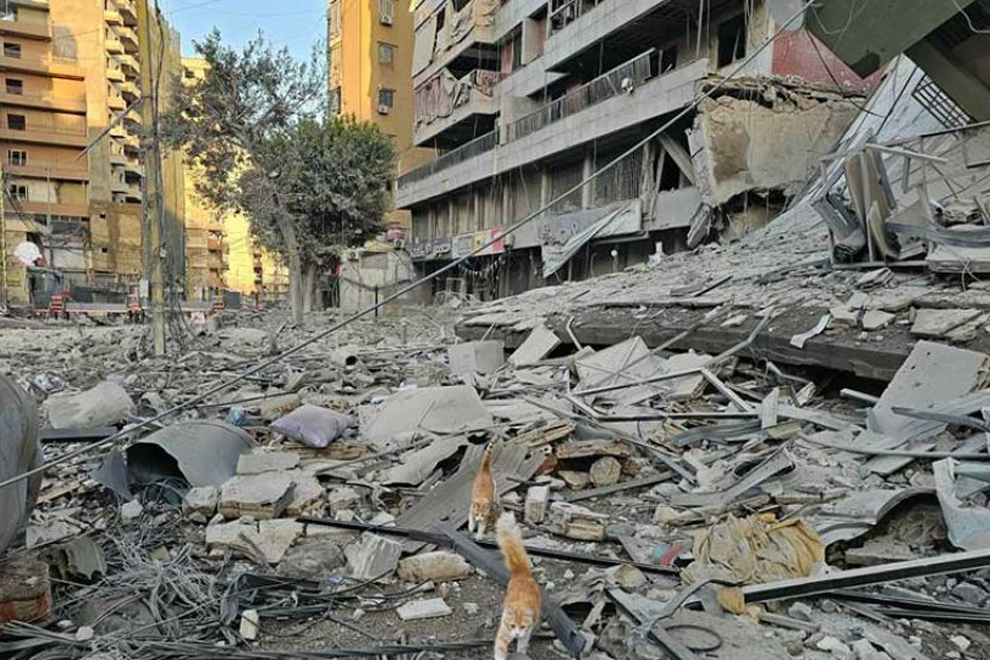
Cambodian Minister of Environment Eang Sophalleth has described Thailand’s aggressive incursions into Cambodian territory through aerial bombardment, artillery shelling and the use of toxic smoke as violations of international law that have destroyed natural resources, actions that should be considered “environmental crime”.
He shared his remarks as he delivered a lecture on “Leadership and Environmental Governance in Cambodia” at the Royal Academy of Cambodia on December 23. The event was attended by senior officials, professors, students from the Royal Academy, the Royal School of Administration and the Union of Youth Federations of Cambodia, as well as many other young Cambodians.
“These acts of aggression not only cause deaths and injuries, but also destroy natural resources and biodiversity within Cambodia’s sovereign territory, violate international law and violate human right,” he said.
“The environment is life. Disrespecting the environment is disrespecting life. Disrespecting life is a violation of human rights — the right to live,” he added.
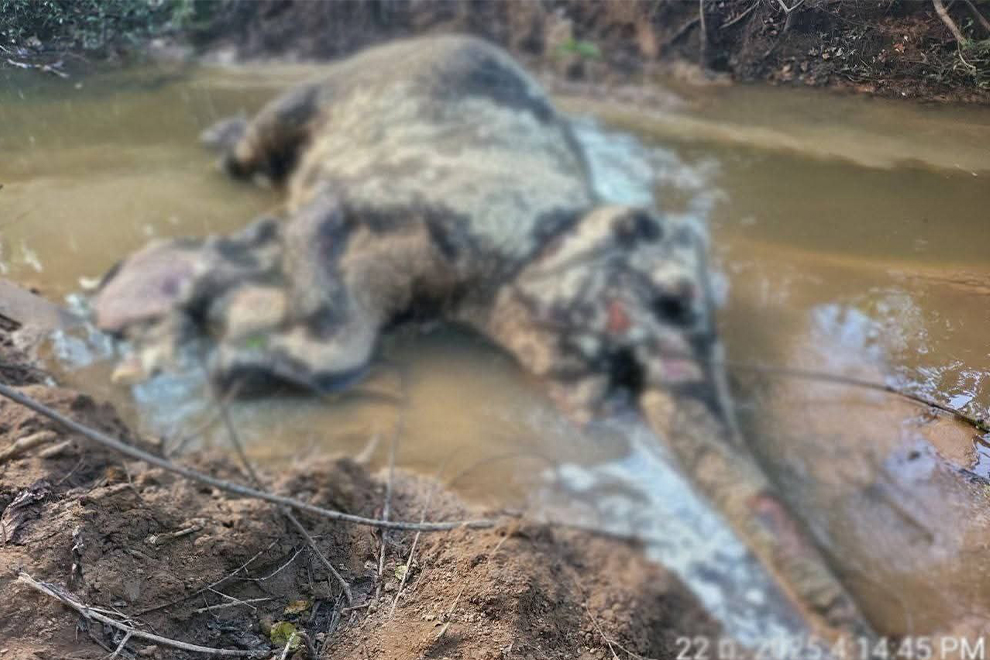
Beyond killing and injuring people and displacing civilians, the use of artillery shells and airstrikes by Thai forces has also resulted in the death of a female elephant and her newborn calf in a protected area in Preah Vihear province in recent days.
During the incursions, the environment ministry has deployed 14 teams, totalling 60 officials, to monitor environmental pollution in areas along the Cambodia–Thailand frontier.
To prevent environmental pollution in evacuation camps, ministry specialists are working with provincial administrations, environment departments, local authorities, monks, NGOs, civil society organisations, development partners and Cambodian youth to promote cleanliness at all sanctuaries — particularly waste management, environmental sanitation and preventing the burning of rubbish and plastics, which causes air pollution.
At the same time, ministry experts are monitoring water and air quality at locations both inside and outside evacuation camps, collecting samples of water, air and soil for laboratory analysis.
In a spirit of “Khmer helping Khmer” and national solidarity, and to promote cleanliness and public health for displaced people, the minister provided an additional 350 rubbish bins, 25 motorized waste-collection vehicles, and 1 garbage truck to relevant provincial administrations to support sanitation at evacuation centres.