A senior official at the Ministry of Justice has explained that the full implementation of its two major reform campaigns may take up to five years.
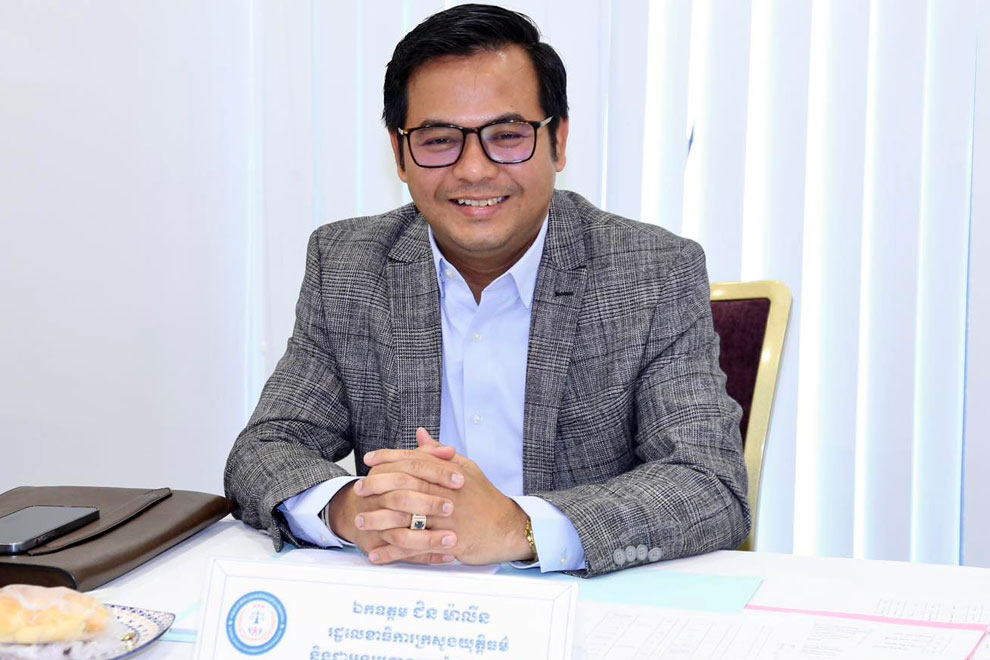
Chin Malin, secretary of state and spokesman at the ministry, said the campaign which aims to expedite court proceedings may be completed in two years, while a second, which focuses on resolving judicial irregularities, may take up to five.
He added that the ministry is accelerating the work in order to implement the reforms as quickly and efficiently as possible.
Both campaigns were launched on January 9 this year.
They aim to improve the provision of judicial services to the public quickly and expeditiously and court proceedings which are transparent and fair. The ministry has identified three categories of case which need to be addressed particularly quickly: drug, road accidents and civil registration cases, which affect society and are directly related to people’s daily lives.
Malin said on February 18 that since the launch of the campaigns, the public has applauded the ministry and the way it is working to address issues which affect the people.
He said the approach to the first campaign is to provide more technical resources, including more lawyers.
“Implementing the first campaign may not take long, it may be two or three years before we see an end to a congested court system. This is largely because in 2020, we began focusing on resolving congestion issues. Now, we just need to release more resources and the problem will be solved,” he added.
He warned that the second campaign is more complex, and will take about five years to be completed.
“We have three approaches for the second campaign: not to interfere with the affairs or independence of the judiciary, not to prejudge court decisions and to adhere to transparency and fairness, based on the legal procedures in force. This could take up to five years,” he reiterated.
“We are aware that many people who have lost lawsuits complain that there were irregularities, and that they have suffered an injustice. We cannot make judgments until we have thoroughly investigated each case, which means taking our time to do careful research,” he added.
According to Malin, the ministry has so far settled nearly 100 long-stalled lawsuits, and has also provided 10 volunteer lawyers, free of charge.
He explained that the campaigns represent a new approach to resolving governance issues and irregularities in judicial decision-making.
“In the case of governance issues, we will perform surgery and correct the problem. If it is found that partisan decisions have been made, then this is corrup tion. If crimes like bribery and corruption are discovered, the perpetrators will face legal consequences and the Anti-Corruption Unit [ACU] will take action,” he said.
When the reforms were announced, Am Sam Ath, deputy director of rights group LICADHO, expressed hopes that the new campaign would contribute to speeding up legal cases and resolving irregularities in the courts.
He encouraged the effective, transparent implementation of the reforms so they would be successful.
“If irregularities are discovered, they must be punished in accordance with the law and penalties must be imposed, otherwise the campaigns will not be effective,” he said.