



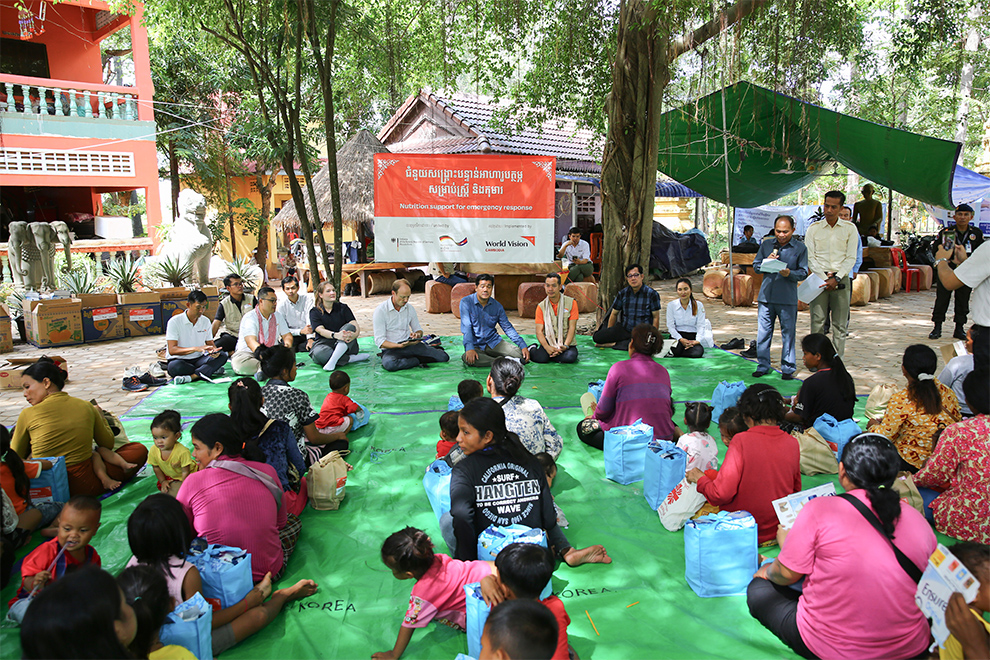
The German government has pledged urgent assistance to families displaced along Cambodia’s conflict-affected border regions, launching a nutrition programme in partnership with World Vision Cambodia.
“The initiative will provide lifesaving support to more than 1,000 children under the age of five and 572 pregnant and lactating women in Preah Vihear, Siem Reap and Oddar Meanchey provinces,” according to World Vision Cambodia.
“Families in displacement sites currently rely on basic food staples such as rice, canned fish and instant noodles,” it explained, in a September 12 statement.
While these supplies prevent immediate hunger, experts warn they fall short of the nutritional needs of mothers and young children.
To bridge this gap, the programme is distributing Ready-to-Use Supplementary Food (RUSF) for children under five, Ready-to-Use Therapeutic Food (RUTF) for malnourished children identified through screenings, and Multiple Micronutrient Supplements (MMS) — including iron and folic acid — for pregnant and lactating women.
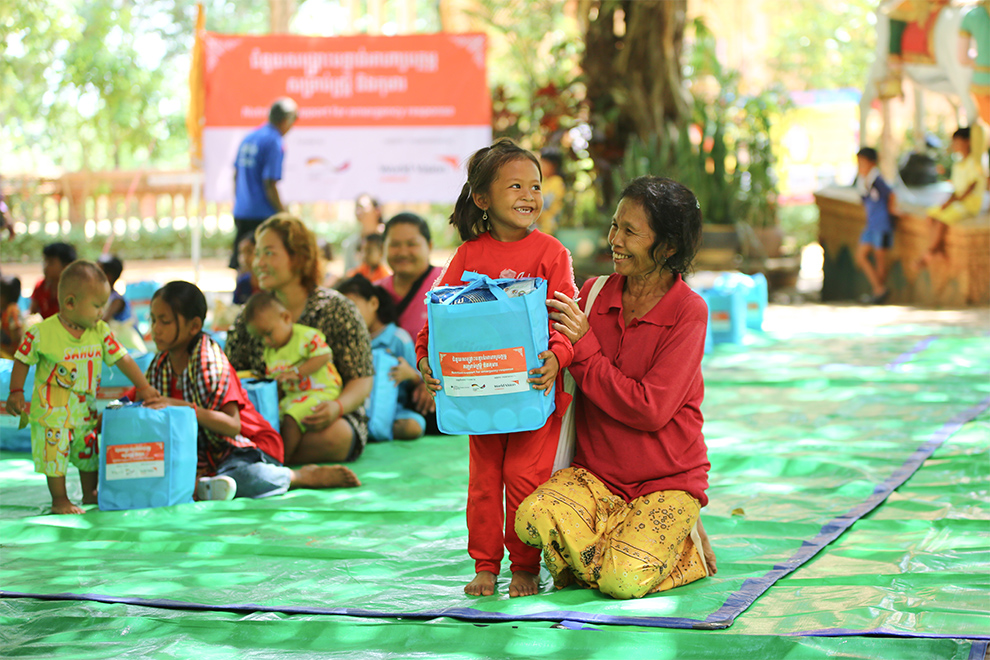
Qualified health providers are carrying out nutrition screenings using internationally recognized tools such as MUAC measurements and weight-for-height assessments. Severe cases are being referred for specialised treatment.
The distribution effort is being carried out in collaboration with Safety Centre Committees, local authorities and Provincial Health Departments, to ensure the supplies reache the most vulnerable.
“Through this emergency nutrition support, we reaffirm our commitment to protecting the most vulnerable,” said Gidon Windecker, deputy head of development cooperation at the German embassy in Phnom Penh.
He noted that the initiative builds on Germany’s long-standing work in food security and health, adding that it complements broader European Union assistance, including a recent €700,000 ($820,000) EU contribution to humanitarian relief in Cambodia.
Janes Imanuel Ginting, national director of World Vision International in Cambodia, emphasised the importance of maternal and child nutrition during crises.
“Pregnant women and new mothers need special care and nutrition to stay strong, recover well after birth and provide the best nourishment for their babies. With timely support, children can grow up healthy, mothers can regain strength and families can find resilience even in the midst of displacement,” he said.
The organisation explained that the intervention comes at a critical time, as flooding during the monsoon season has increased the risk of waterborne diseases and symptoms such as diarrhoea, a major driver of malnutrition in children.
Displacement has also disrupted infant and young child feeding practices, with many mothers reporting difficulties breastfeeding due to stress and trauma.
In some cases, caregivers have resorted to inadequate substitutes like diluted canned milk or plain porridge, heightening the risk of a preventable nutrition crisis without swift action.
World Vision Cambodia has expressed gratitude to both the German government and the government of Cambodia for their collaboration in supporting displaced families.
“We are hopeful this partnership can ease some of the challenges faced by children and women who need it most, providing not only lifesaving nutrition but also hope, strength, and comfort during this crisis,” Ginting added.
