



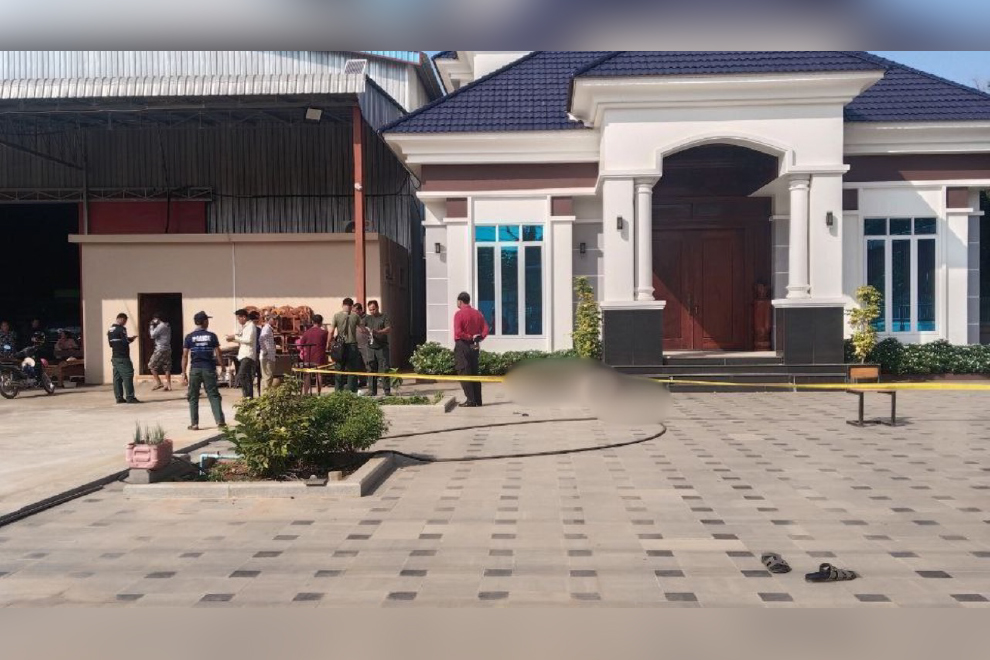
The publishing and sharing of videos or images depicting graphic of violent events, such as murders and traffic accidents, can severely impact the emotions of victims and their families and violates social ethics, warned the Ministry of Information. The notice follows the widespread sharing of footage of a fatal shooting in Tboung Khmum province.
Footage of the shooting in Tboung Khmum, which resulted in three deaths on March 16 and was reportedly linked to a “love triangle”, was shared widely on social media, and clearly depicted the deaths.
Ministry spokesperson Tep Asnarith noted that beyond this specific case, there has been a trend of sharing shocking videos and images of murders, traffic accidents and violence on platforms such as Facebook and TikTok, including footage of blood, injuries or deaths. He noted that some of this content originated from members of the press.
“Displaying these cruel images causes fear and shock, and affects the mental well-being of children and the general public. Furthermore, publishing or sharing images of bodies from shootings, or deaths and bloody injuries from traffic accidents without blurring or masking the imagery, is an unethical act.
“It violates the right to privacy and human dignity, and strongly undermines social morality and order,” Asnarith told The Post.
He added that social media users and news outlets should not compete for “views” or “likes” without considering the social consequences. He characterised this as exploiting the suffering or vulnerability of others — actions that have no value in society ones that tarnish the integrity of the journalism profession.
He noted that this prohibition is explicitly stated in Point 13 of the Charter of Professional Journalism issued by the ministry.
Regarding the Tboung Khmum case, Asnarith warned that journalists and a social media content creator who published the graphic footage had been summoned for administrative guidance. They acknowledged their mistake and removed the problematic content.
“If any news organisation repeatedly violates ethics and broadcasts in defiance of the ban — as outlined in the spirit of the Charter of Professional Journalism — the ministry will take administrative action ranging from reprimands and formal pledges to the revocation of their media licenses,” he warned.
“Coming together to refuse the sharing of inhumane images is a way to honour the deceased and the seriously injured who need rescue. It is an act of compassion for the families of the victims and a way to protect the mental health of children as well as all citizens,” he added.
