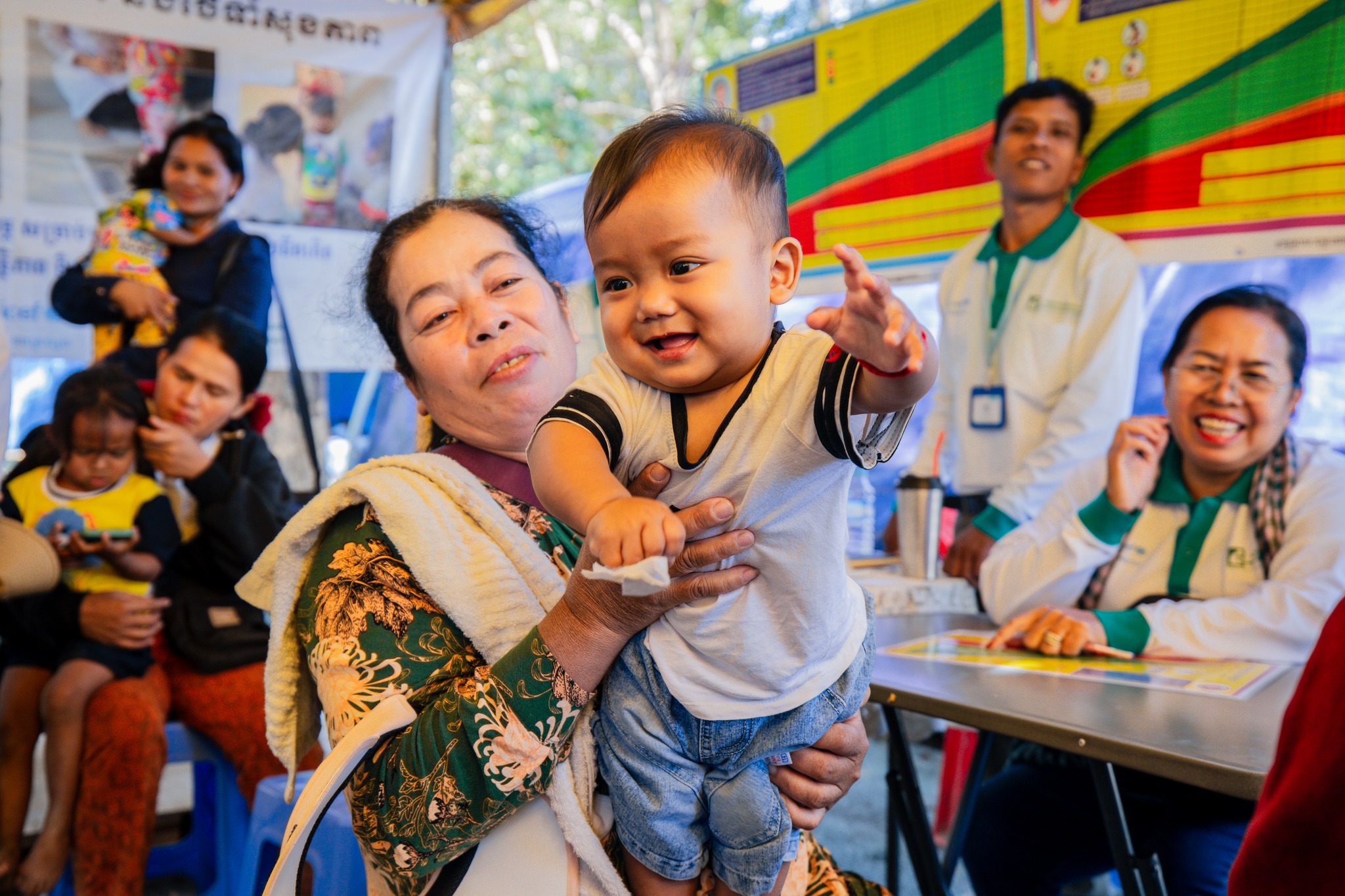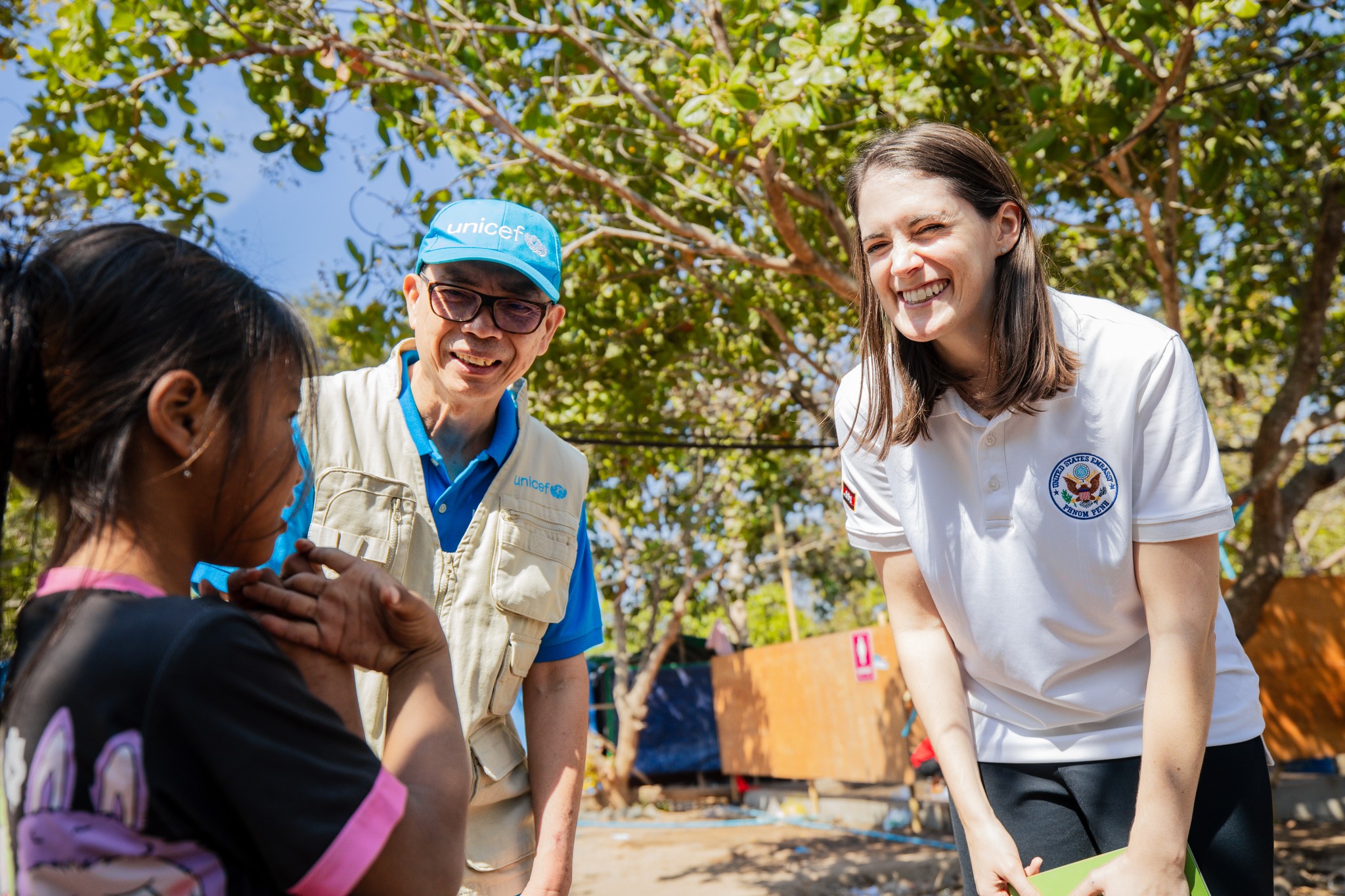
Life-saving maternal and newborn care is being rolled out immediately to displacement-affected areas in northern Cambodia, as UNICEF warns that delays of even minutes can cost lives for mothers and babies living in crisis conditions.
More than 112,000 people remain displaced across five provinces as of January 28, including 58,738 women and 36,686 children, according to the Ministry of Interior.
While some families have begun returning home, significant pockets of displacement persist in Oddar Meanchey and Preah Vihear, where health services remain uneven and under strain.
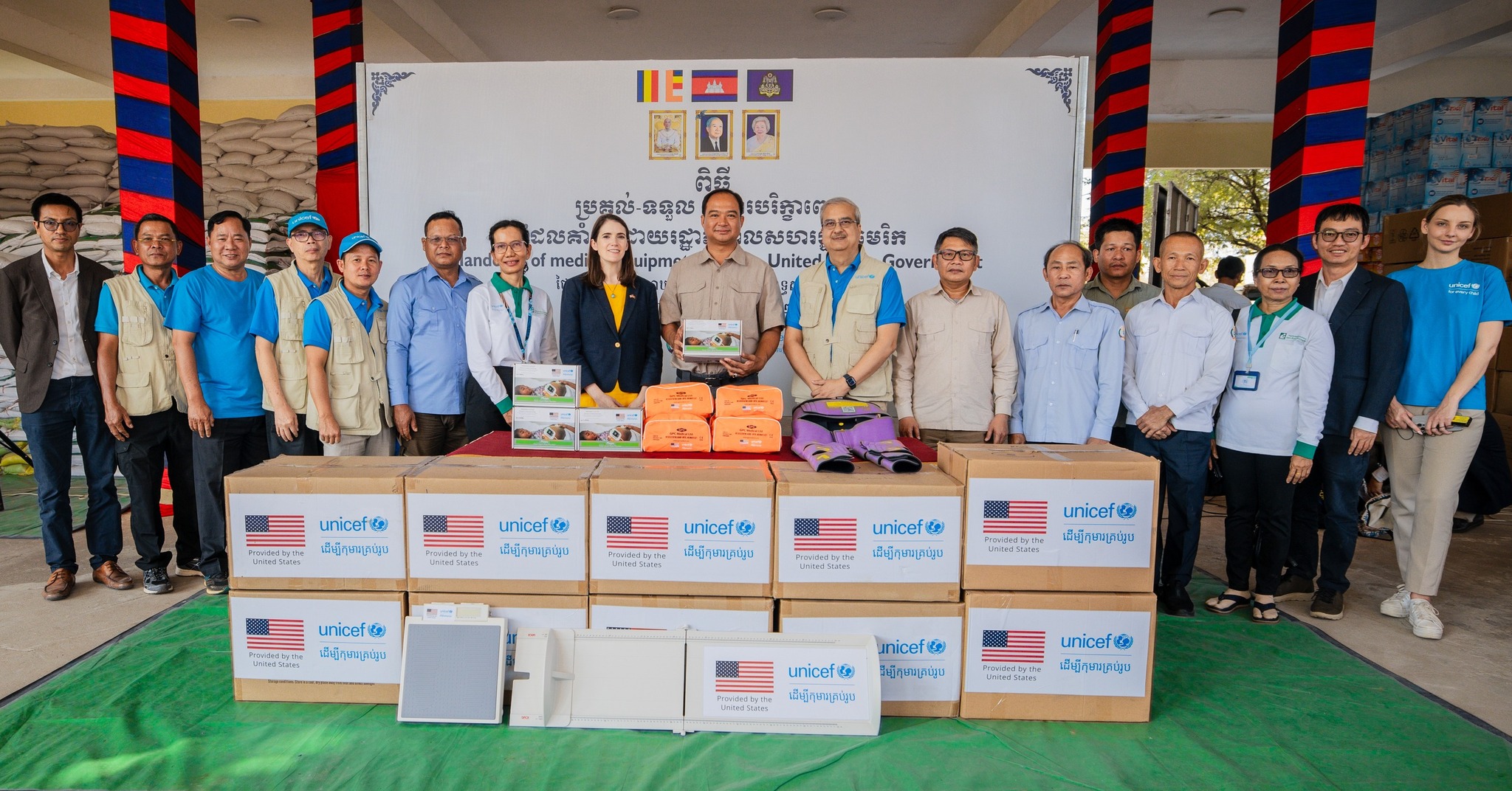
To address the most urgent gaps, UNICEF, with support from the US government, has equipped 69 health centres and four referral hospitals in the two provinces with essential maternal, newborn, child health and nutrition supplies.
The equipment was presented on January 27 and is intended for immediate use in both static facilities and outreach services.
“In crisis, minutes matter,” said Dr Will Parks, UNICEF Representative in Cambodia. “This intervention helps close the lifesaving gap for mothers and newborns who cannot wait.”
The donated supplies include non-pneumatic anti-shock garments to manage postpartum haemorrhage, Ambu bags and manual suction pumps for newborn resuscitation, foetal heartbeat monitors and thousands of tools for nutrition screening and infant feeding support.
Parks said the equipment will allow health workers to stabilise women experiencing severe bleeding after childbirth, resuscitate newborns at birth and conduct large-scale screening for acute malnutrition among displaced children.
In Preah Vihear and Oddar Meanchey alone, more than 18,000 people remain displaced, most of them women and children.
Many continue to live in temporary sites where health services are limited, disrupted or non-functional, exposing families to preventable risks during pregnancy, delivery and early childhood.
“Children are facing concerning levels of diarrhoea, acute respiratory infections, malnutrition‑ and mental health needs, some of which are driven by insufficient sanitation and limited access to clean water,” Parks told The Post.
Before the displacement crisis, health facilities in the affected provinces were largely designed to operate as static service units.
The sudden movement of populations has stretched their capacity and revealed critical gaps in emergency care, antenatal services, safe delivery, nutrition screening and referral systems.
“Health teams now require updated knowledge, practical support and essential equipment to respond with agility to rapidly changing needs,” Parks said, adding that the response combines supplies with targeted training and on-the-job coaching for frontline health workers.
The intervention is part of the US-supported initiative “Safe Beginnings in Cambodia: Life-Saving Health and Nutrition for Conflict-Affected Mothers, Newborns and Children.”
Through the programme, UNICEF has already supported 52 displacement sites with outreach services such as malnutrition surveillance, treatment referrals, support for high-risk pregnancies and health education, reaching more than 35,000 people to date.
Parks said the newly delivered equipment can be deployed immediately, as health centres and hospitals in both provinces are already conducting integrated maternal, newborn and nutrition outreach activities.
Improvements will be tracked through routine indicators monitored by provincial health authorities, including the number of children screened and treated for malnutrition and the number of pregnant and postpartum women receiving improved care.
While the response is focused on emergency needs, Parks stressed that the support is also designed to strengthen the health system beyond the crisis.
Much of the equipment will remain in use as families return home, helping facilities maintain service continuity in hard-to-reach and return communities.
“These are essential tools that bring quality care closer to the families who need it most,” Parks said. “Every child deserves a safe start, even in times of crisis.”
However, Parks warned that sustaining maternal, newborn and nutrition services through the recovery phase will require additional funding.
The agency currently faces a funding gap of more than $2.3 million — around 50 per cent of the resources needed — to continue emergency and early recovery efforts as caseloads shift from displacement sites back to host and return communities.
“Recovery doesn’t end when families go home,” Parks said. “Children need uninterrupted care to survive, grow and thrive.”