



A prominent Cambodian media expert has urged global news consumers to approach reports on the Thailand-Cambodia border conflict with caution, noting that many major international media outlets maintain bureaus in Bangkok, where Thai media are waging a very effective “media war”.
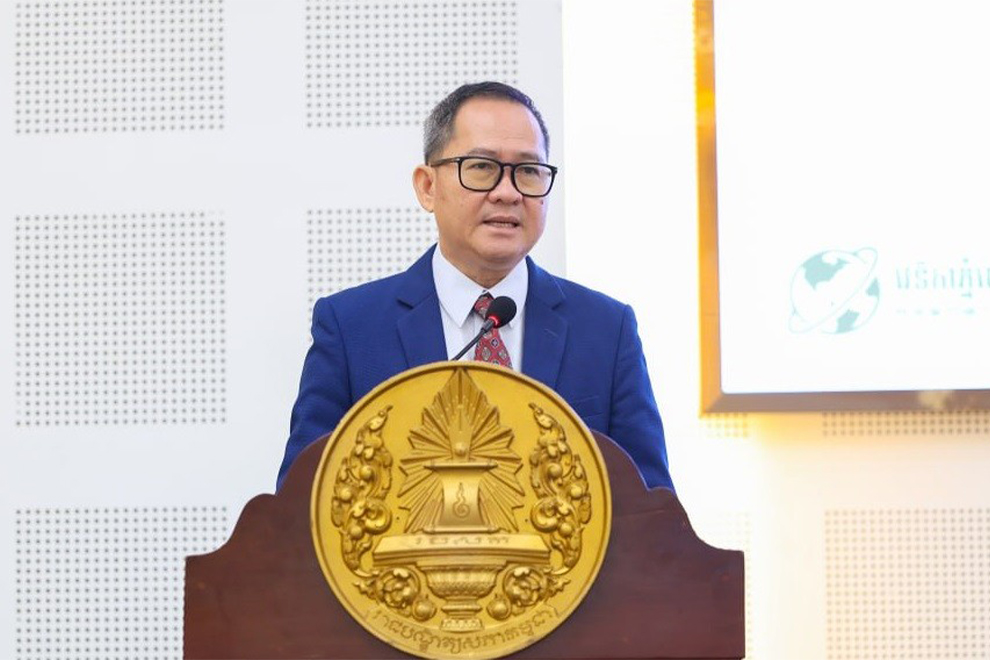
Speaking to The Post on the sidelines of the Phnom Penh Forum on October 8, Puy Kea, president of the Club of Cambodian Journalists and a correspondent with decades of experience, explained that global news outlets often publish stories directly from Bangkok without further verification.
“In Cambodia, major news companies only have representative staff, if any. If they have bureau chiefs in a country, they can cover more stories from various strong angles. In contrast, if they only have representatives in a country, their information is sent to the regional bureau before heading to headquarters for final decisions,” he explained.
Highlighting the limited range of news sources in Cambodia — where information is often released solely by official channels — Kea demonstrated how Thailand is playing a sophisticated media war game, allowing virtually anyone to speak out as long as it benefits their country.
“Thailand uses the media to wage a war, alongside military, political and security conflicts. They have many players who can speak to the media — anyone can talk to them. All their spokespersons can address the press, and even rank-and-file soldiers can do so. This allows Thai media to present multiple angles and counter narratives from Cambodia,” he added.
According to Kea, some issues amplified by Thai media are outdated but have been revived to attract global attention, such as landmine concerns. He noted that Cambodia has spent decades clearing landmines and earned international praise for its efforts, yet Thailand leverages border disputes to undermine these achievements.
Some Thai outlets report whatever they believe benefits Thailand, often without credible sources, leaving global audiences confused. Kea urged readers to consult news from all sides.
“To access reliable news, readers should consume reports from multiple perspectives — not just Thai or Cambodian media, or outlets based in Thailand. This approach should help us avoid blindly trusting one side,” he concluded.
