The National Council of Science, Technology and Innovation (NCSTI) has approved its “National Research Agenda 2025”, designed to mobilise the Kingdom’s intellectual resources with a focus on research that will help Cambodia achieve specific goals by 2030.
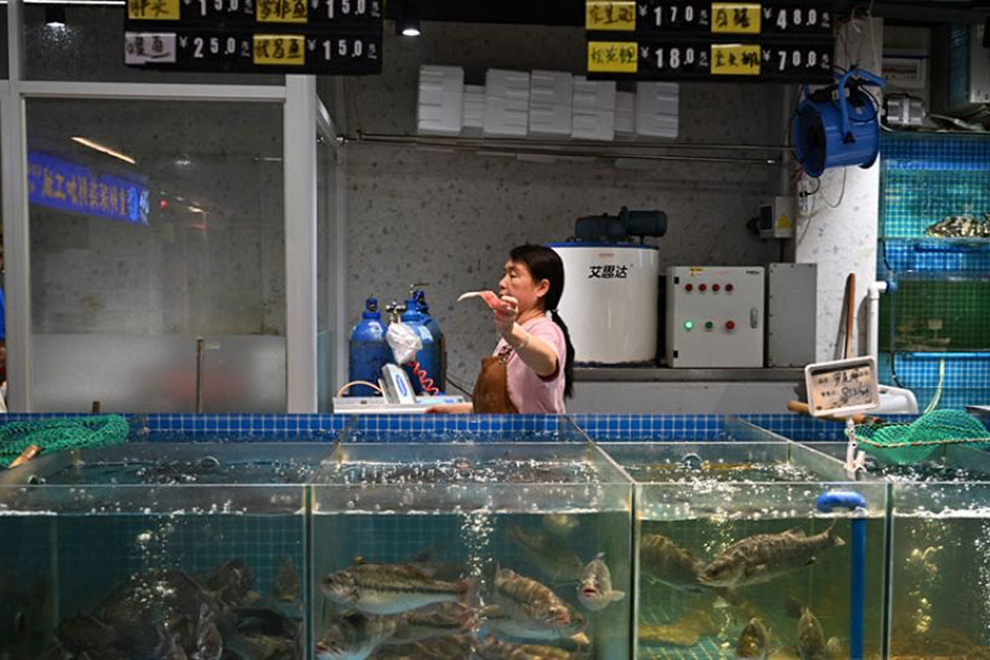
The eight research areas set by the NCSTI include domestic food production, energy and water supply, education, electronics and mechanics, cloud-based services, carbon neutrality and digital health promotion.
The agenda was drafted by the Ministry of Industry, Science, Technology and Innovation, with support from the Trade, Investment and Innovation Division of the UN Economic and Social Commission for Asia and the Pacific (UNESCAP).
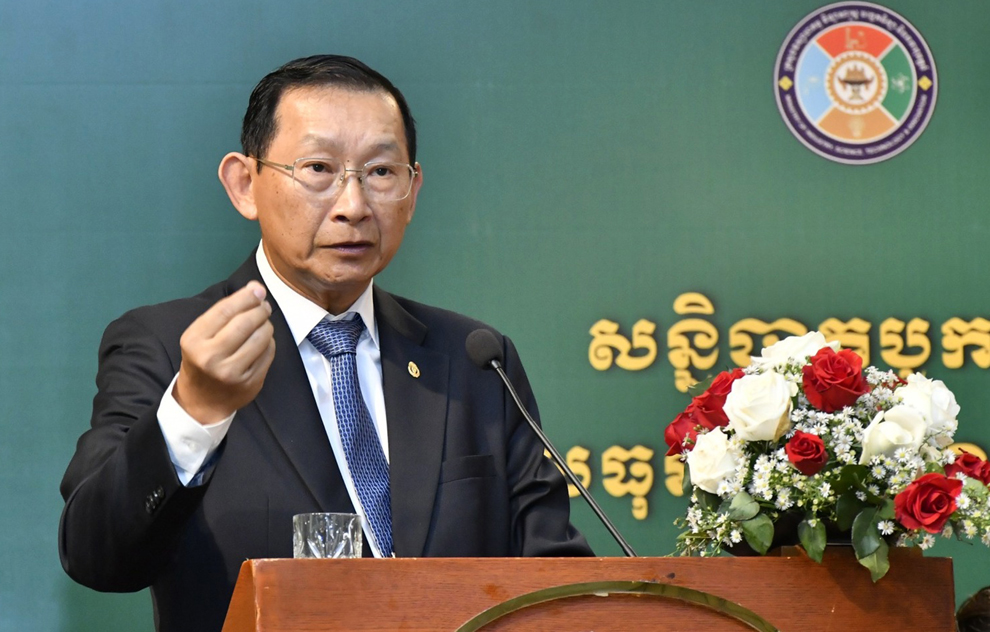
According to industry minister Cham Prasidh, the research aims to ensure that 70 per cent of the Kingdom’s food supply, and 90 per cent of its energy needs, are produced domestically. All Cambodians should have access to clean water and stable energy, and its education must meet international standards.
In addition, 70 per cent of its electronics and mechanical parts should be manufactured locally, while its cloud-based services must be in line with all other ASEAN nations. The Kingdom aims to be carbon neutral, and all of its residents should have access to digital health services by 2030.
“This agenda is an important strategic document and will also assist the Kingdom to meet its vision of Cambodia 2050. It will facilitate the efficient analysis of budgeting, and will guide cooperation among policy makers and the private sector,” Prasidh asserted.
In an introduction to the agenda, Prime Minister Hun Sen said the agenda was prepared in a timely manner and will encourage and promote research and development that contributes to the implementation of several policy frameworks, including the 2030 Cambodia Science, Technology and Innovation Roadmap, in addition to achieving the 2030 and 2050 visions.
“Our society relies on research and development to build human capital, and identify and resolve social problems. The research projects will develop innovative methods and products that will lead to strong, environmentally friendly and sustainable socio-economic development,” he added.
“I strongly believe that the national research agenda will promote research ecosystems that are important and appropriate for further development of the nation,” he continued.
He encouraged all stakeholders, including government institutions, universities, private sector research institutes and development partners to cooperate closely in accordance with the contents of the agenda. Their work should be coordinated by the innovation ministry.
“I am confident that their joint efforts will be successful in implementing the national research agenda,” he concluded.