Cambodia has accused Thailand of launching a premeditated and coordinated war along its western border, rejecting claims that the fighting is the result of an accidental clash or a sudden escalation.
In a detailed statement, Minister of Information Neth Pheaktra referred to the hostilities that began on December 7 as “open and deliberate military aggression” carried out by the Thai state, involving the simultaneous deployment of land, air and naval forces.
“This is neither an isolated incident nor an uncontrolled escalation,” the minister said. “It is a war that has been planned, acknowledged and carried out by the Thai State.”
According to the minister, Thai forces have advanced along more than 800 kilometres of the shared border, with incursions reaching as deep as 80 to 90 kilometres inside Cambodian territory.
The operations reportedly involve F‑16, Gripen and T-50TH fighter jets, armed drones, heavy artillery, long-range rockets, tanks and naval assets.
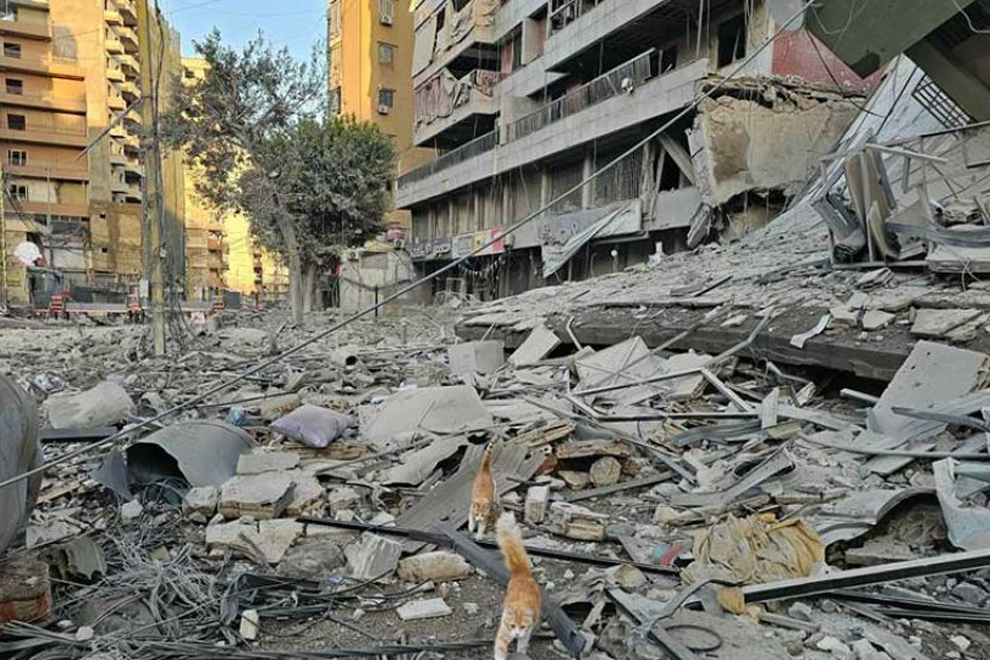
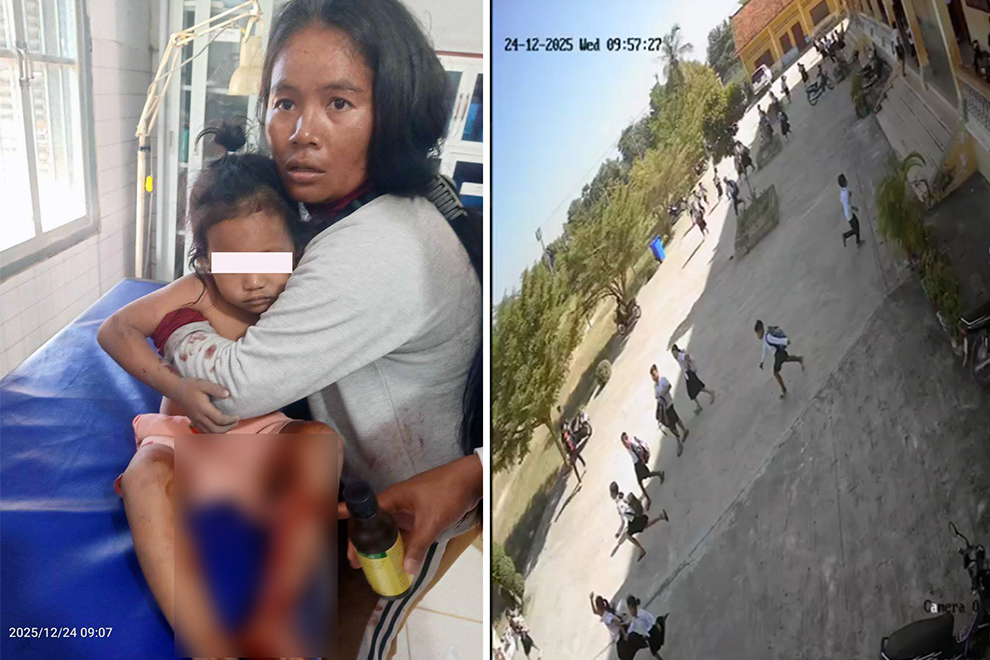
Cambodian authorities said the attacks have not been limited to military targets but have struck civilians, roads, schools, homes, pagodas, refugee camps and Khmer temples, including historic monuments, some of which are listed as World Heritage sites.
Pheaktra rejected any suggestion that Cambodia provoked the conflict, arguing that the country lacks both the capacity and the intention to attack a neighbour with far greater military strength.
He pointed to Cambodia’s repeated calls for peaceful settlement, its acceptance of a ceasefire in July and the Joint Declaration for Peace signed in October.
“If Cambodia had sought war, it would not have spent nearly three decades on reconstruction, national reconciliation and peacebuilding,” he said.
The minister also stressed that Cambodia has consistently relied on international law to resolve border disputes, citing the Franco‑Siamese treaties of 1904 and 1907, the 2000 Memorandum of Understanding on border delimitation, and rulings by the International Court of Justice in 1962 and 2013 which affirmed Cambodian sovereignty over Preah Vihear.
By contrast, Thailand was accused of abandoning legal mechanisms in favour of military force. “Cambodia chooses the law; Thailand chooses weapons,” the statement said.
Recalling Cambodia’s experience of decades of war and genocide between 1970 and 1998, Pheaktra said the country fully understands the cost of conflict and has no interest in destroying the peace it has rebuilt.
He noted that Cambodia’s commitment to peace has been recognised through several international and regional awards in recent years.
The government called on the international community to clearly identify the current fighting as an act of armed aggression and to uphold international law.
“Silence, inaction or ambiguity will only embolden further violations,” the statement said, warning that the credibility of the international rules-based order is at stake.
As fighting continues along the border, Cambodian officials said they remain ready to defend national sovereignty while maintaining their call for negotiations and a lawful, peaceful resolution to the conflict.