While several Thai media outlets attempted to deny the death of a Cambodian citizen from Thai soldiers’ gunfire incident on 12 November in Prey Chan village, the Ministry of Interior released the results of the forensic examination, confirming that Thai soldiers used M16 rifles to shoot Cambodian citizens.
In a press release on 14 November, the Ministry of Interior stated that Thai armed forces opened fire with multiple M16 long-barrelled weapons on Cambodian citizens in Prey Chan village, resulting in one death and three serious injuries. The deceased victim was identified as Dy Nai, also known as Sal, male, 36 years old, residing in Prey Chan village.
“The forensic results by Cambodian specialised authorities found a 5mm skin abrasion on the head of the deceased, and an elongated laceration measuring 2×3 cm on the left side of the chest, entering the body obliquely from left to right. A bullet was lodged under the skin on the right side of the back, above the ribs,” said the ministry, based on the forensic examination.
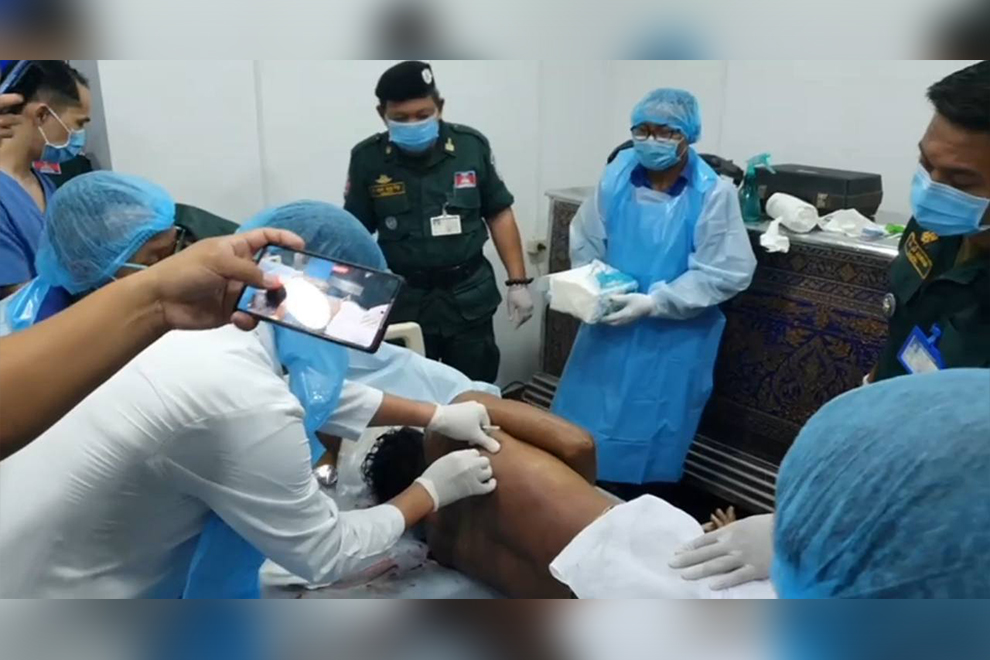
A specialised committee surgically removed the bullet in the presence of ASEAN Observer Team (AOT) members. It was clearly observed that the bullet was a single projectile, with a diameter of 5.7mm and a length of 23mm, featuring six rifling grooves (right twist).
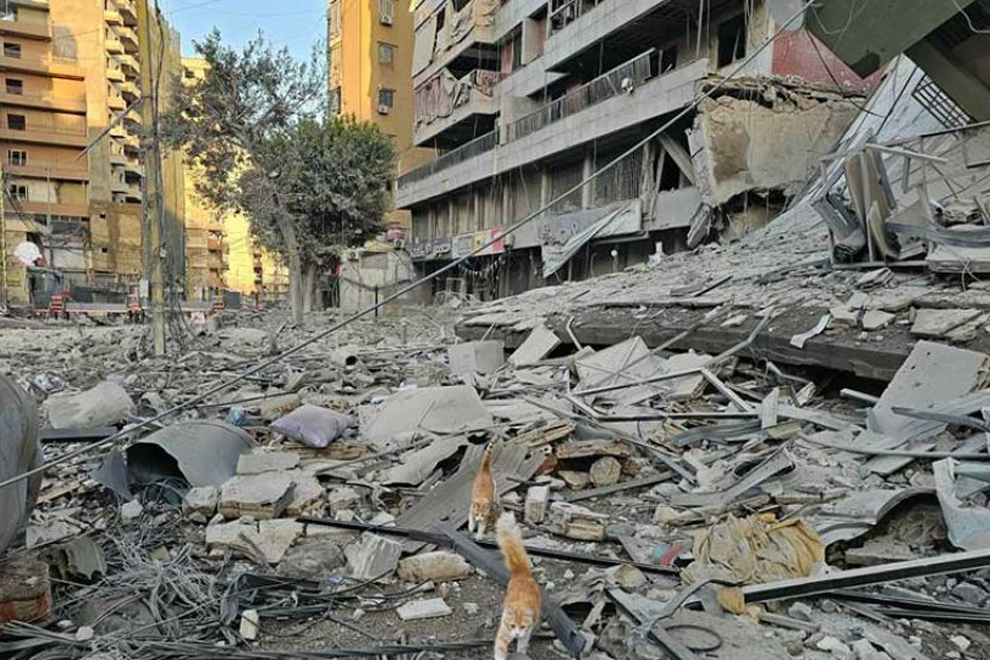
The forensic committee further found that at the first incident scene, three Cambodian citizens were seriously injured at a location approximately 100 metres from where the Thai armed forces fired. The second scene was where the victim died on the spot, approximately 180 metres from where the Thai armed forces fired. The Thai armed forces fired from two locations towards the same target in Prey Chan village.
Based on this situation, the ministry concluded that the victim, Dy Nai, indeed died as a result of the shooting by Thai armed forces on 12 November, and not as distorted and misrepresented by Thai news outlets.
“It is clear that the bullet penetrated the lungs, severed major blood vessels, and a bullet was lodged in the right side of the back of the deceased,” said the ministry.