A prominent Cambodian analyst has criticised Thailand’s recent actions along the border with Cambodia, describing them as a “calculated attempt to create facts on the ground” and a “grave violation of international law”.
Kin Phea, director of the International Relations Institute at the Royal Academy of Cambodia, asserts that Thailand is pursuing a strategy of “gradual annexation” by moving in military personnel and subsequently settling Thai civilians in Cambodian territory post-ceasefire.
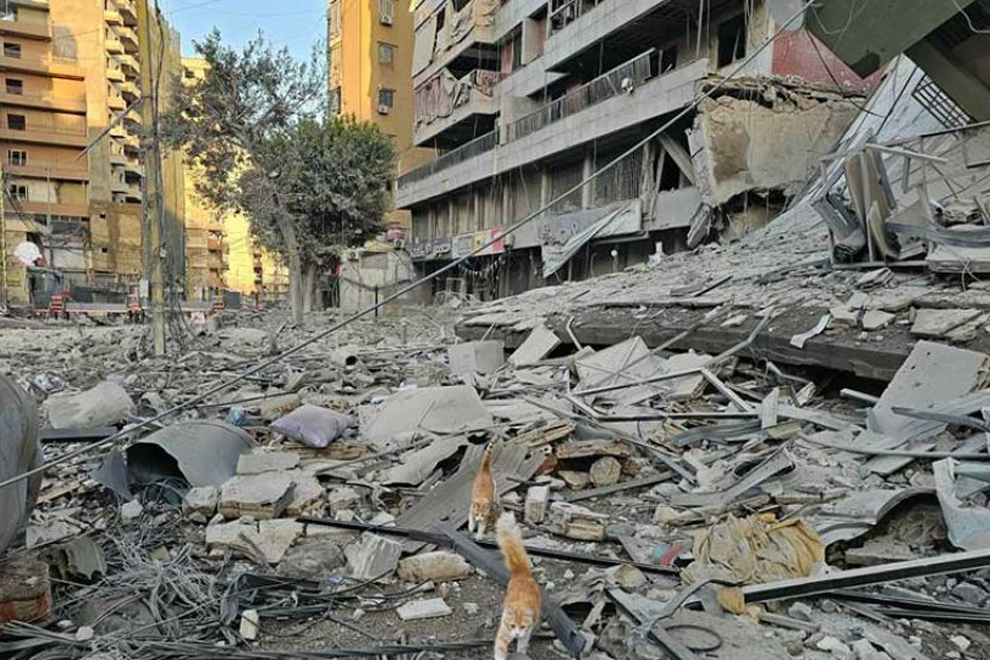
Currently, more than a dozen locations remain occupied by the Thai military, following the December 27 ceasefire which required both Cambodia and Thailand to freeze all military activities. Despite this, the Thais have reportedly been bulldozing and burning the homes of Cambodian citizens who fled during the December fighting.
According to Phea, this strategy serves multiple domestic purposes for Thailand, including legitimising military power, fuelling nationalist sentiment, and bolstering political support for the ruling Bhumjaithai Party.
“Ultimately, these actions are intended to create illegal territorial leverage in any future border negotiations with Cambodia,” Phea told The Post.
Through his observation, there is no “ambiguity” regarding the areas in question.
“These are not disputed zones; they are sovereign Cambodian territory,” he pointed out.
He added that any confusion is manufactured by Thailand’s reliance on unilaterally drawn maps that ignore historical precedents and internationally recognised boundaries to justify territorial expansion.
He warned that the risk of diplomatic and military tension remains high and noted that the long-standing Thai ambition regarding Cambodian territory is often exacerbated by Thai internal political factions. These provocations threaten the stability of the bilateral relationship.
Phea urged both sides, particularly Thailand, to adhere to existing bilateral mechanisms, specifically the 1904-1907 Franco-Siamese Treaties and the 2000 Memorandum of Understanding (MoU) on Land Boundary Demarcation. He called for a commitment to the “status quo” in undemarcated areas and the immediate cessation of unilateral civilian or military movements.
“The only viable and sustainable solution is for Thailand to abide by internationally recognised maps and bilateral agreements,” he said, referring to the Joint Boundary Commission (JBC).
He added that if bilateral negotiations fail due to a lack of political will, “the matter should be addressed through international legal channels to ensure a solution based on law, not force”.
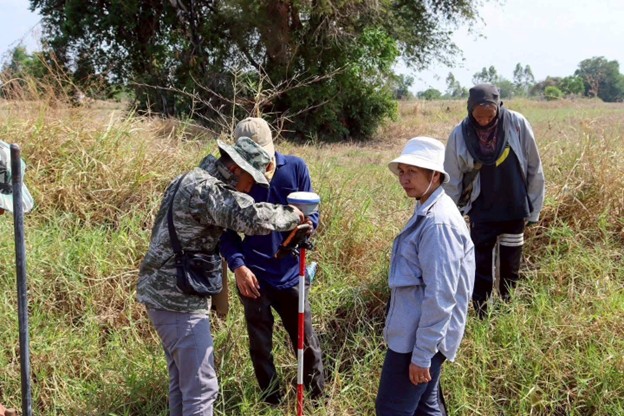
While any meeting to find peaceful solution to the border conflict between the two neighbouring kingdoms has been in stalemate since the beginning of the year, Thai military action has not paused. They have built roads, trenches, placed Buddha statues, shipping containers and razor wire barricades, and surveyed disputed occupied land, even presenting land titles to Thai citizens.
To date, Cambodia has reportedly issued around 100 protest letters against these actions.