



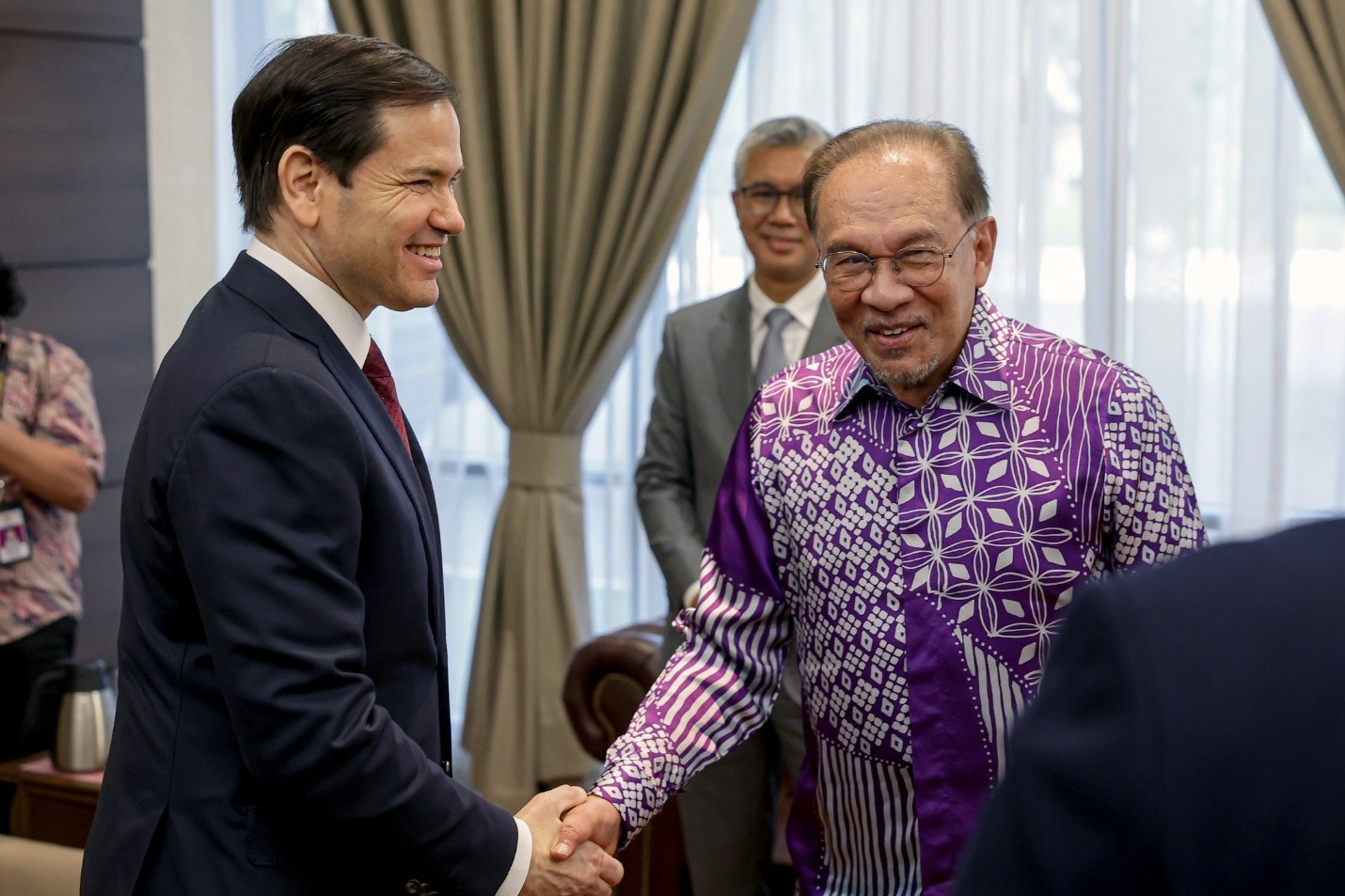
The US is still in contact with the leaders of Cambodia, Thailand and Malaysia, with efforts continuing to bring Thailand and Cambodia back to the conditions of the October 26 Kuala Lumpur Peace Accords that were witnessed by US President Donald Trump, according to State Department spokesperson.
The spokesperson told The Post via email on December 18 that the US is concerned by the continued fighting and casualties as fighting is reportedly going.
“We are concerned by continued fighting and casualties in multiple locations along the Cambodia-Thailand border. We strongly urge the immediate cessation of hostilities, the protection of civilians and for both sides to return to the ceasefire and the other de-escalatory measures outlined in the October 26 Kuala Lumpur Peace Accords,” said the email.
On December 14, Thai military officials said Thailand was working to block fuel from reaching Cambodia, including a potential ocean blockade. The move came as Thai military leaders said their aim was to “destroy Cambodia’s military capability”. Since then Thai fighter jets have violated Cambodian airspace and bombed several locations in Cambodia, reportedly as deep inside Cambodia as 90km.
On December 15, the American Chamber of Commerce in Cambodia (AmCham) published an open letter to the US embassy expressing urgent concern regarding Thai military statements that Thailand may designate Cambodian ports “high risk” and blockade shipments of fuel and other goods.
Casey Barnett, AmCham president, asked the US embassy in Phnom Penh to convey the concerns of American businesses to the US government, as well as the Thai leadership.
“The president and secretary of state remain in contact with their counterparts in Cambodia and Thailand, as well as Malaysia, to convey this message of concern,” said the state department spokesperson, in response to the concerns of AmCham, which has nearly 1,000 American companies as members.
Efforts to halt fighting between the two neighbouring kingdoms appear to be much slower than the steps that brought a close to the July 24-28 fighting. With the active intervention of Trump, a ceasefire was reached within days.
The second round of clashes have continued for 13 days to date, with Thai leaders rejecting Trump’s calls for a return to the Kuala Lumpur Accords.
Amid slow pace from the US, China appears to have stepped in to facilitate negotiations, but the results remain to be seen.
