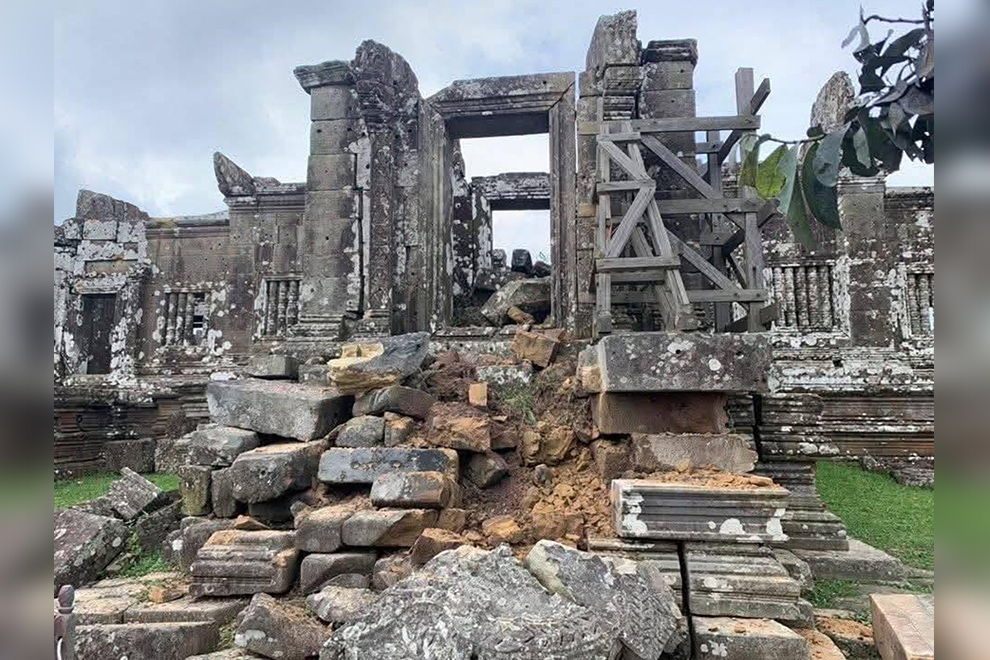
It is regrettable that UNESCO’s statement on the protection of heritage in Cambodia and Thailand, particularly with regard to the Preah Vihear Temple, was only issued on July 30, 2025, following the conclusion of the ceasefire. This delayed response has drawn criticism, especially as Cambodia’s Ministry of Culture and Fine Arts had publicly condemned the significant damage to the temple as early as July 24. The UN secretary-general had also issued a statement addressing the broader conflict prior to the release of UNESCO’s remarks concerning the cultural heritage damage.
While UNESCO’s commitment to monitoring cultural heritage sites using satellite imagery is appreciated, given the challenging circumstances, there remains hope for a timely transition to on-the-ground assessments. The statement’s cautious language — indicating that hostilities “may have caused damage to cultural heritage in both countries, including some UNESCO World Heritage sites” — prompts inquiry as to whether other sites, apart from Preah Vihear Temple, may have been identified with potential damage through satellite monitoring in the border region. Greater clarity on this point would be beneficial.
Although UNESCO’s diplomatic approach in conflict zones — including reliance on satellite imagery when immediate access is limited — is fully acknowledged, it is crucial that, once conditions permit, UNESCO’s offer of technical assistance to assess potential damage and implement safeguarding measures be carried out without undue delays. Such direct engagement is essential to accurately determine the extent of the damage and to plan the necessary safeguarding and restoration efforts for all affected heritage.
Furthermore, it is imperative for UNESCO to strongly condemn any actions that threaten or damage World Heritage sites. Such condemnation reaffirms the international community’s collective responsibility to uphold the commitment to protect cultural heritage under the 1954 Hague Convention and the 1972 World Heritage Convention, and serve as a reminder to all parties of their legal obligations.
Continued public communications and actions from UNESCO will be key to underscoring that any further harm to Preah Vihear or other heritage sites would be unacceptable and constitute a breach of international law.
As the situation shift from active hostilities to recovery, UNESCO’s engagement in assessing the damage incurred, supporting restoration efforts and promoting long-term safeguarding will be essential to preventing recurrence and ensuring the protection of cultural heritage sites.
Chanrithy San is a member of the Australian Institute of Project Management. The views and opinions expressed are his own.