In times of peace, the preservation of heritage should unite nations, not divide them. Temples are not trophies of war or battlegrounds for military intimidation; they are sacred relics of humanity’s shared civilisation. Cambodia — the cradle of the Khmer Empire — has always treated its ancient temples with reverence, care and pride. In contrast, recent threats from elements within Thailand’s 2nd Regional Army Command point to a disturbing and unacceptable shift toward militarised historical revisionism and cultural intimidation.
The difference between a rightful custodian and a covetous intruder is clear: the caretaker preserves and respects, while the opportunist threatens and distorts.
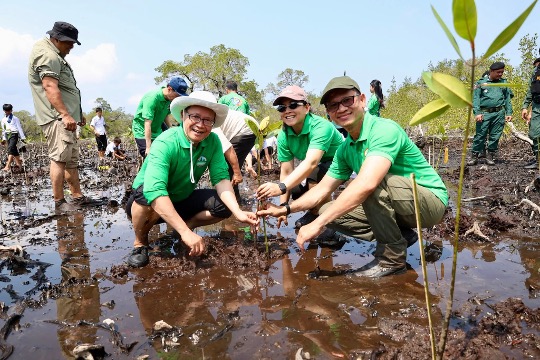
From the grandeur of Angkor Wat to the spiritual serenity of the Ta Moan Thom, Ta Moan Tauch and Ta Krabei temples, Cambodia has consistently maintained its sacred sites through peaceful means, responsible stewardship and international cooperation. These temples are not simply stone monuments; they are spiritual sanctuaries, historical records and enduring testaments to Cambodia’s millennia-old civilisation.
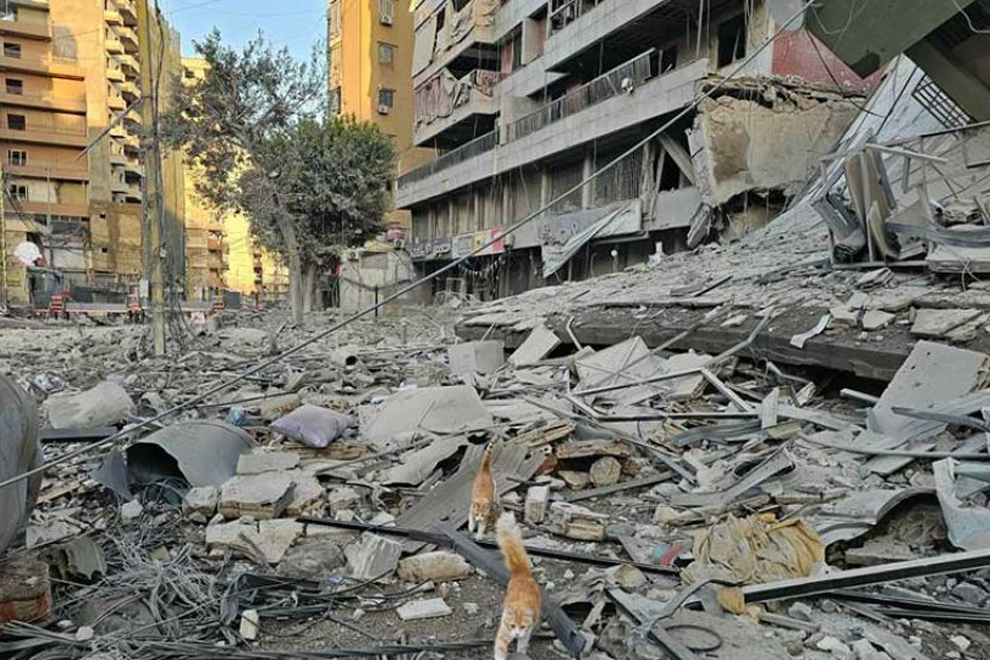
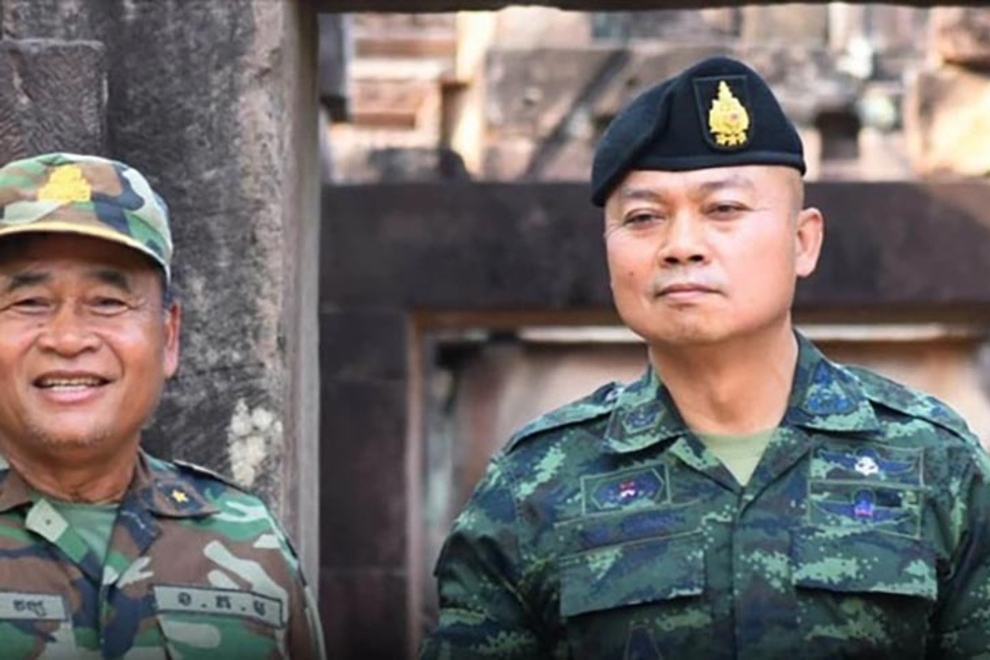
Yet, while Cambodia builds, conserves and promotes peace, Thailand — through certain military factions — has chosen the path of provocation. The recent warnings from its 2nd Regional Army Command about “fighting to be the owner” of contested lands and implied threats to destroy temple sites are deeply alarming. Such statements are not only offensive to Cambodians but to the global community that values cultural preservation, regional harmony and civilised diplomacy.
Let us be unequivocal: threatening to destroy heritage sites is not patriotism — it is cultural vandalism. It evokes the darkest moments in world history, where extremist forces sought to erase rather than protect. No modern government that respects international norms should tolerate its military leaders speaking the language of destruction.
If Thailand truly believes it has claims to disputed territories, the responsible course is through legal and diplomatic channels — not intimidation, not sabre-rattling. Cambodia has shown the way. In 2013, the International Court of Justice (ICJ) reaffirmed Cambodian sovereignty over the Preah Vihear Temple and its vicinity — following a process grounded in law, not arms. Cambodia trusts the rule of law — not the rule of weapons.
This issue transcends geopolitics. It is about values: Who respects heritage, and who threatens it? Cambodia welcomes UNESCO observers, legal experts and international media to witness our commitment to temple preservation. We urge Thailand to demonstrate the same transparency and restraint if it truly honours its heritage.
The Thai government must now take responsibility: Does it endorse the threats made by its military commanders to destroy temples? Or will it discipline those who have brought shame to Thailand’s international reputation? Will it stand for peace and heritage, or allow reckless militarism to define its legacy?
The world is watching. Cambodia will never permit its cultural legacy to be trampled under the boots of ignorance or aggression. These temples are not just Cambodia’s — they are the shared inheritance of all humankind. As their rightful caretakers, we will protect them with legality, dignity, and unwavering respect.
In the end, the one who loves the temple preserves it. The one who covets it threatens to destroy it. And history will always remember the difference.
Roth Santepheap is a Phnom Penh-based geopolitical analyst. The views and opinions expressed are his own.