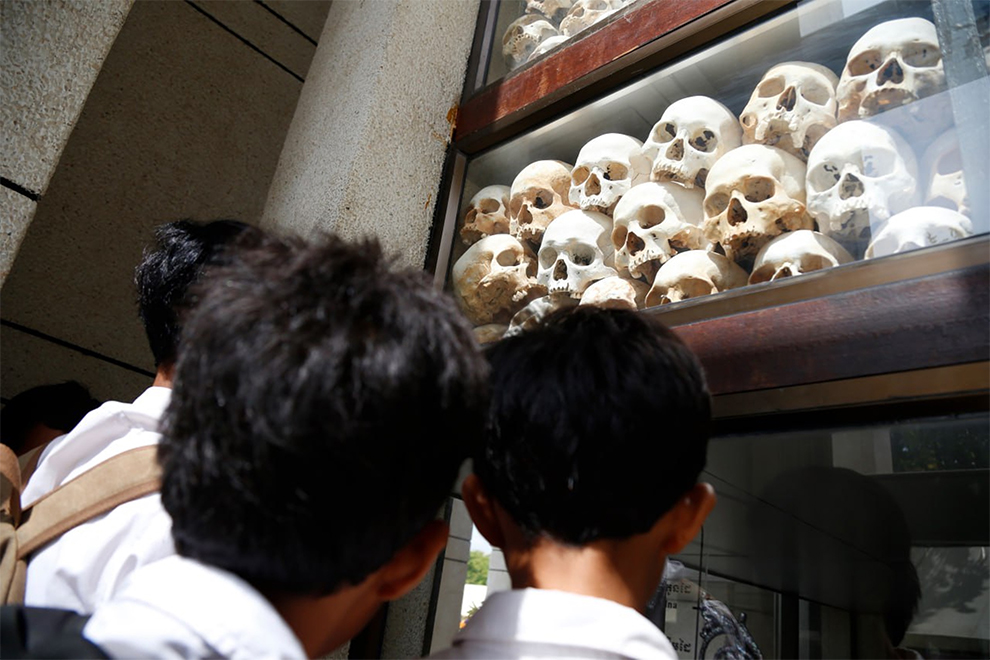
On Saturday, October 11, 2025, the UNESCO World Heritage Committee inscribed “Cambodia’s Memorial Sites: Including the Former M-13 Prison, Tuol Sleng Genocide Museum and Choeung Ek Genocide Center as Sites of Genocide Crimes, Centers of Suffering and Peace” on the World Heritage List at the 47th session meeting in Paris, France, at the request of the Royal Government of Cambodia. This official recognition is a necessary step that emphasises the importance of ensuring that the tragic history of the Khmer Rouge regime, which took the lives of more than 1.7 million Cambodians, will never be forgotten and that the lessons of this dark period will be studied and learned not only in Cambodia but also in other countries around the world.
For decades, the Tuol Sleng Genocide Museum has been considered a symbolic site that reminds us of the systematic torture, interrogation through torture and killing of people who lived during the period of Democratic Kampuchea. The Choeung Ek Genocide Centre has served as a memorial site commemorating the Cambodian people who lost their lives during the period. Unlike the other two sites that have been recognised, the former M-13 Prison, which was a former site of Khmer Rouge crimes, seems to have received less public attention until now.
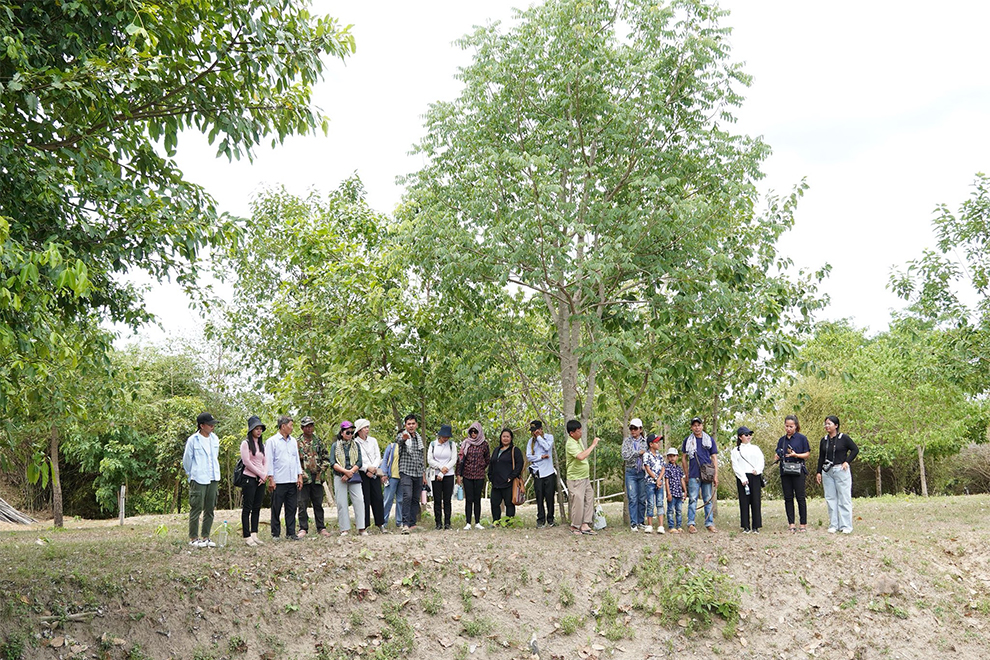
According to research by the Documentation Center of Cambodia (DC-Cam) on Khmer Rouge crime sites, M-13 Prison was located in Tumnup Village, Am-laing Commune, Kraing District, Kampong Speu Province. It was built by the Khmer Rouge movement to interrogate, torture and kill foreigners whom the Khmer Rouge believed were enemies from areas controlled by Lon Nol.

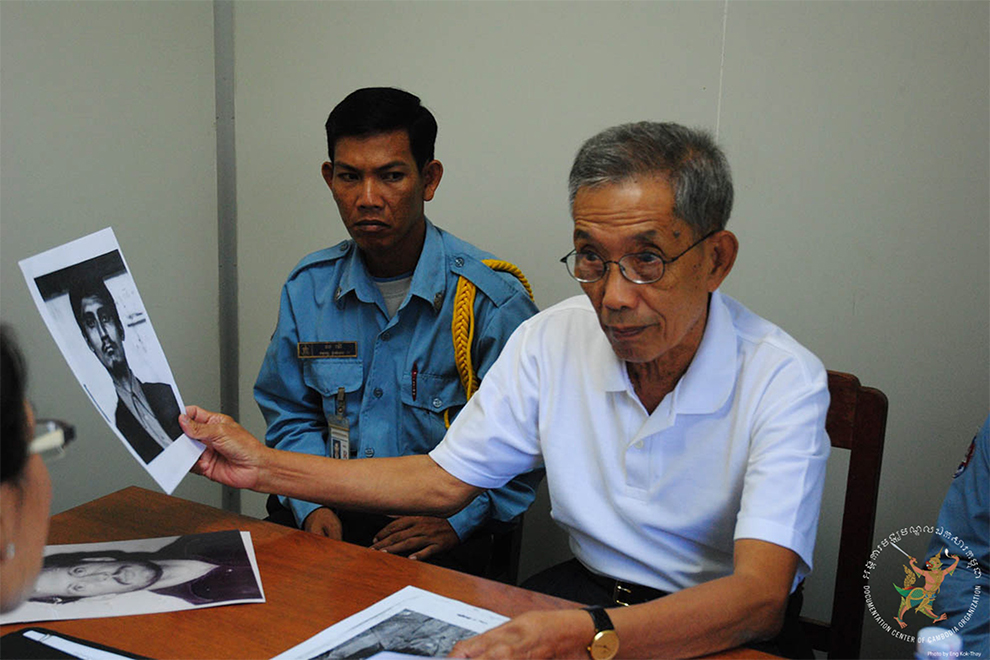
Kaing Guek Eav, known as Duch, was the head of this prison and died in 2020 after being sentenced by the Khmer Rouge Tribunal to life imprisonment. He had previously testified in court that killing was the main policy at this prison [former M-13 Prison] and continued that his role at M-13 was to “break” people in the liberated zones. Duch also testified about the purpose of M-13 as being the requirement of the Khmer Rouge revolution. Horm In, who was a guard at the former M-13 Prison, said that 30,000 people were killed, died from illness or died from floods at M-13. He said this was Duch’s responsibility alone, as Duch’s orders could not be disobeyed. M-13 Prison was managed by five key people: Duch as head, Chan as deputy head, Pon, Phal and Muy as members. These five people were “base people” of the revolution, and were absolutely loyal to Angkar.
Workers at M-13 Prison were selected by the Khmer Rouge movement from young people under 15 years old. Duch directly selected workers such as Sim Oeun from Din, Chan Voeun, and Chan Khen. Management at M-13 Prison was extremely strict with barbed wire fences and high wooden walls (5 to 6 metres) built around it. Inside, there were buildings used as residences for government leaders, interrogation rooms and another building for workers to live in. Most prisoners were soldiers and civilians who did not follow the party line. The prison was approximately 4 metres wide by 5 to 6 metres long with a wooden pole in the centre that was used to detain and torture prisoners. Prisoners were tortured severely until death if they did not provide the correct answers that the interrogators wanted.
The equipment used for interrogation included: hammers, pliers, saws, knives and iron bars. Torture methods included tying prisoners to poles, pulling them up and dropping them to the ground, hitting hammers into fingernails, using knives to cut body parts, hitting saws on chests and backs, and forcing prisoners to drink battery acid through funnels. Duch was crueller than others in his interrogation and torture of prisoners.
Prisoners who survived the killing and new prisoners were forced to work every day, both day and night, under the strict supervision of the workers. Workers had the right to shoot and kill prisoners when they attempted to escape. Some prisoners died from exhaustion and lack of adequate food. Prisoner work included digging ponds, planting vegetables, cutting firewood and making sugar. Prisoners’ food depended entirely on the arrangement of the government, which was increasingly reduced. Prisoners received only small portions of thin rice gruel at one time. Workers’ food was one bowl of rice with vegetable soup and salt. Government officials’ food was adequate rice and sufficient side dishes.
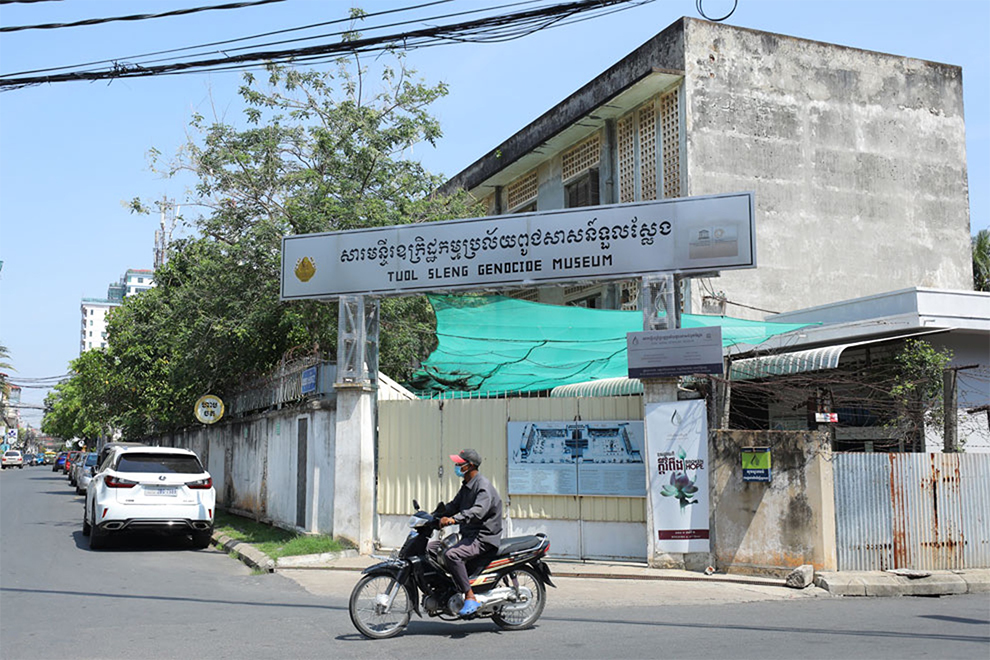
The recent official recognition by UNESCO has significant importance for Cambodia. This is Cambodia’s first recognition of “sites of contemporary historical education and remembrance” and is part of a new category of world heritage sites that have been recognised as sites related to contemporary conflicts. UNESCO’s recognition of these sites as world heritage goes beyond temples and natural wonders – it is official recognition that sites bearing witness to the most terrible human suffering and struggle exist.
His Majesty King Norodom Sihamoni, Head of State of the Kingdom of Cambodia, in a message after the inscription, emphasised that Cambodia’s Memorial Sites, including the Former M-13 Prison, Tuol Sleng Genocide Museum and Choeung Ek Genocide Cente as Sites of Genocide Crimes, Centers of Suffering and Peace» becoming World Heritage Sites at this time is Cambodia’s extraordinary gift to people throughout the world of a model of remembrance, national reconciliation, seeking justice for victims, education, healing and peace building.
Cambodia continues to struggle with the deep wounds of genocide, torture and massive killings. Placing these three sites on the UNESCO list will play an important role in educating future generations of young Cambodians and people around the world. Although the sites that have been included are indeed reminders of terrible violence, these sites can also contribute to healing the wounds that were inflicted in the past that have not yet fully healed.
Chhang Youk is the director of DC-Cam. The views and opinions expressed are his own.